
Wax Melts Market Size Analysis Report 2035
The global wax melts market size was estimated at USD 4.36 billion in 2025 and is expected to increase from USD 4.63 billion in 2026 to USD 7.92 billion by 2035, growing at a CAGR of 6.15% from 2026 to 2035. Asia Pacific dominated the wax melts market with the largest revenue share of 41% in 2025.

Market Highlights
- North America dominated the wax melts market with the largest revenue share of 41% in 2025.
- By product, the paraffin wax melts segment dominated the market and accounted for the largest revenue share of 45.00% in 2025.
- By Pack, the multi-pack wax melts segment led the market with the largest revenue share of 75.00% in 2025.
- By application, the Wax melts for household applications segment dominated the market and accounted for the largest revenue share of 70.00% in 2025.
Market Overview
Wax is a kind of hydrocarbon that melts and produces a pleasant aroma. The melted wax spreads a fragrance in the room. They are designed in different shapes and sizes. The growing awareness about the benefits of wax materials to the environment drives the growth of the market. Consumer preference for eco-friendly products fuels the growth of the market.
E-commerce booming growth of the wax melts
E-commerce or online websites provide a wider market for wax melts. Consumers are purchasing from an e-commerce platform & it is a safe and convenient option for them. Due to this brand reaches consumers and amplifies their consumers. Consumers can easily buy their choice of the product. Consumers can purchase products while sitting at home or from anywhere which amplifies the shopping experience of consumers due to these sales of brand increases.
The e-commerce platform offers different kinds of wax melts shapes, sizes, and fragrances. This platform provides offers, discounts, and sales to consumers. The consumer can easily read reviews about products and make their decision about the product. Online platforms collaborate with social media for marketing purposes which easily attracts customers. E-commerce offers different brands of wax melt products to consumers that drive the growth of the market.
Recent Market Trends
- Customization availability: Companies offer consumers customized designs of wax melts. They allow the consumer to create their favourite variety of fragrances.
- Seasonal Collection: Brands launch seasonal collections to attract consumers such as Christmas, autumn, and many more collections.
- Environmental awareness: Consumers are looking for eco-friendly products. Consumer's rising interest in natural products fuels the growth of the market.
Report Scope
| Report Attribute | Details |
| Market Size in 2024 | USD 3.95 Billion |
| Projected Market Size in 2034 | USD 7.17 Billion |
| Estimated CAGR 2025 to 2034 | 6.15% |
| Dominant Region | North America |
| Segments covered | By Product, By Pack, By Application, By Region |
| Key companies profiled | East Coast Candles; The Yankee Candle Company; Michaels Stores, Inc.; Scentsy, Inc.; Bridgewater Candle Company; Bramble Bay Candle Co.; AFFCO Holdings; Candles by Victoria; C. Johnson & Sons Inc.; NEST Fragrances, LLC. |
Market Opportunity
Wax melts transform personal care and wellness
Consumers are paying attention to problems like anxiety, depression, pain, and many more. Wax melts have a unique fragrance. Aromatherapy helps the consumer to maintain peace of mind. Aromatherapy reduces stress and gives relaxation to the mind. Aromatherapy is trending and it helps to enhance the mood of the person. The increasing stress due to busy schedules increases the demand for pleasant fragrances.
Manufacturers can create various scents to release the stress of a person and that helps the industry to grow. The rising case of the insomnia is one of the promising factors that causes the demand for the wax fragrances. Consumers paying attention to personal care due to the rise in disposable income. Rise demand for personal care and wellness going to drive demand for wax melts in the future.
Market Challenge
The fluctuating prices of raw materials
The important component of wax melts is paraffin which is highly used during manufacture. The cost fluctuation of raw materials like paraffin, oils, beeswax, and soy are key restraints for the market. Due to this production cost of wax melts increases. Natural ingredient usage in wax melts leads to higher costs. Manufacture unique fragrances increases production costs. Exotic fragrances of wax melt need exotic raw materials which leads to higher costs of raw materials.
Key Initiatives Impacting the Wax Melts
| Country | Key Initiatives | Impact on Wax Melts Market |
| U.S. | FDA regulations on consumer safety and labeling; consumer-driven natural wax demand. | Ensures safety and promotes natural, non-toxic products like soy wax melts. |
| EU | European Green Deal; strict chemical regulations (REACH) and fire safety rules. | Drives innovation toward eco-friendly, natural, and flameless alternatives. |
| India | Green Wax Initiative (2024) offers subsidies for bio-based waxes. | Supports the growth of natural and biodegradable waxes through financial incentives. |
| Brazil | Consumer Protection Code; market driven by consumer preference. | Market growth relies on economic stability and the availability of consumer-safe products. |
| UAE | GCC Standard GSO 1943:2021 and required ECAS certification. | Products must meet specific safety and quality standards, aligning with international norms. |
Value Chain Analysis
Research and Development
- Develops wax melt formulations using traditional or sustainable waxes (soy, beeswax) and fragrances.
- Key Players: BASF SE, IFF, Givaudan SA, Symrise AG, The Dow Chemical Company, and Exxon Mobil Corporation.
Manufacturing & Production
- Blends waxes, fragrances, and colors, then molds and packages the melts.
- Key Players: Yankee Candle, Scentsy, Inc., S. C. Johnson & Son, Inc., and Reckitt Benckiser Group plc.
Distribution & Supply Chain
- Manages product movement from manufacturers to retailers and consumers, leveraging both physical and e-commerce channels.
- Key Players: Walmart Inc., Target Corporation, Michaels Stores, Inc., Amazon.com.
Marketing & Sales
- Builds brand awareness and drives demand by highlighting product features like safety and unique scents.
- Key Players: S. C. Johnson & Son, Inc., Reckitt Benckiser Group plc, and IPG.
Retail & Customer Experience
- Facilitates the final purchase and product usage, both in physical stores and online, including through subscription services.
- Key Players: Walmart Inc., Target Corporation, Amazon.com, Inc., Michaels Stores, Inc., and Scentsy, Inc.
Segmental Insights
By Product
The paraffin wax segment dominated the wax-melts market in 2025 accounting for 45.00% of total revenue. Affordability and widespread availability of paraffin wax drive the growth of the market. This wax melt is a popular choice in candle and home fragrance industries. It releases fragrance effectively and it is easy to use. It is easy to mold in a diverse variety of shapes and sizes due to this it is the manufacturer's choice. Rising demand for paraffin wax from businesses and consumers helps brands create various products using this.

Whereas the palm wax melt segment is expected to witness the fastest growth in the market during the forecast period. Hydrogenated palm oil is used to manufacture palm wax candles. The rising consumer demand for natural, eco-friendly, and sustainable products fuels the growth of the market. The palm wax melts hold a strong fragrance, and it is an environment-friendly option. Palm wax is comparatively less toxic than paraffin wax. Palm wax creates unique and exotic fragrances, and it holds a significant amount of fragrance oil.
Wax Melts Market Share, By Product , 2025(%)
| Product Type | Revenue Share, 2025 (%) |
| Paraffin Wax | 45.00% |
| Soy Wax | 10.00% |
| Palm Wax | 26.00% |
| Beeswax | 8.00% |
| Others | 11.00% |
By Pack
The multi-pack wax melts segment held the largest share of the wax-melts market in 2025 accounting for 75.00% of total revenue. The convenience of mass purchases and rising demand for aromatherapy fuels the growth of the market. Consumers are creating a calming and soothing environment at home and offices helps in the growth of the market. Providing multi-wax melts helps the brand to generate more revenue. Brands offer discounts and sales on purchases in bulk and attract consumers. Whereas the single-pack segment is anticipated the fastest growth in the market during the forecast period. Single-wax melts are affordable to consumers. Consumers purchase single wax melts rather than bulk purchases drives the growth of the market. Moreover, Consumer who likes to try different varieties of scents, choose single-wax melts that don’t cause any financial risk. This type of wax melt is suitable for smaller storage spaces.
Wax Melts Market Share, By Pack, 2025(%)
| By Pack | Revenue Share, 2025 (%) |
| Multi Pack | 75.00% |
| Single Pack | 25.00% |
By Application
The household segment dominated the wax melt market in 2025 accounting for 70.00% of total revenue. Wax melts are the best alternative for candles. The ease of use, safety, and variety of fragrances boost the growth of the market. Wax melts don’t have risks of burning flames this quality makes them safe to use. In the houses, wax melts are used to freshen up rooms, remove foul smells, and create a peaceful environment. They are used in various places at home like bedrooms, kitchens, living rooms, and bathrooms to create a pleasant environment. Whereas the commercial segment is expected to witness the fastest growth in the market during the forecast period. The rising demand for aromatherapy and wellness drives the growth of the market. The low-maintenance quality of wax melts makes it convenient for users. Businesses customize wax melts as per their requirement and create a peaceful environment. The increased focus on self-care fuels the growth of the market.
Wax Melts Market Share, By Application, 2025(%)
| By Application | Revenue Share, 2025 (%) |
| Household | 70.00% |
| Commercial | 30.00% |
Regional Insights
North America leading the wax-melts market
The North America wax melts market size was valued at USD 1.74 billion in 2025 and is expected to be worth around USD 3.17 billion by 2035, exhibiting at a compound annual growth rate (CAGR) of 6.17% over the forecast period from 2026 to 2035. North America dominated the wax-melts market in 2025. North America holds the largest share of the market due to consumer awareness of environmental issues and their preference for pleasant home aroma products.

Growing consumer awareness about health problems caused using aerosol sprays drives the growth of the market in the region. Inclination of regional population for creating pleasant home environments by wax melting and spread of fragrance. Disposable income levels of consumers allow them to spend on home fragrance products. The region has a well-established distribution channel due to this consumer can easily access wax melt products.
Accelerating growth of wax-melts market in Asia Pacific
Asia Pacific is the fastest-growing wax-melts market. The rising civilization and growing disposable income allow consumers to choose home fragrance products. The growing awareness of environmental and health concerns drives the growth of the market. rise in spending on personal care products such as skincare, wax melts, hair care, and many more to acquire calmness. The growing e-commerce sector in the regional countries like India, China, and Japan also contributing in the growth of the market.
U.S. Wax-Melts Market Trends
The U.S. holds a dominant position in the global market, owing to high consumer awareness, preference for home decor and wellness products, and a strong online retail presence. A major driver is the shift towards flameless, safer alternatives to traditional candles, supported by established brands and startups focused on innovation. U.S. consumers, with high disposable income, drive demand for a diverse range of products.
India Wax-Melts Market Trends
India also represents a rapidly growing and developing wax melts market, primarily driven by increasing urbanization, rising disposable incomes, and the growth of the home fragrance and cosmetics industries. While still reliant on more cost-effective paraffin wax, the market is seeing a growing interest in natural and eco-friendly alternatives, by makes products accessible to a broader consumer base.

How Europe Will Contribute to the Wax Melts Market?
Europe stands out as a notable wax melts market, benefiting from strong consumer awareness concerning sustainability and product safety. The market is primarily driven by the increasing popularity of flameless home fragrance alternatives to traditional candles, which address safety concerns related to open flames and air quality. Additionally, strict environmental regulations encourage the adoption of eco-friendly and natural ingredients, driving innovation in sustainable wax formulations and fragrances that focus on diverse scent profiles and appealing multi-pack offerings.
Germany Wax Melts Market Trends
Germany holds a significant position in the wax melts market, driven by a strong consumer preference for safe, sustainable, and high-quality home fragrance options. The market aligns with Germany's notable environmental consciousness, favoring eco-friendly and natural waxes over traditional paraffin-based products. Strict safety regulations and a robust residential sector contribute significantly to market growth. Manufacturers are innovating in scent customization and attractive packaging to appeal to discerning consumers seeking premium products.
Wax Melts Market Share, By Region, 2025(%)
| By Region | Revenue Share, 2025 (%) |
| North America | 41.00% |
| Europe | 27.00% |
| Asia Pacific | 19.00% |
| Latin America | 8.00% |
| Middle East & Africa | 5.00% |
How will Latin America Emerge in the Wax Melts Market?
Latin America is emerging as a rapidly growing global market, spurred by increasing urbanization and a rising consumer interest in home fragrance products and wellness. The region's vast natural resources present opportunities for sourcing sustainable, bio-based waxes such as palm wax, which is gaining popularity for its eco-friendliness. As disposable incomes rise and urbanization continues, more consumers are looking for affordable yet effective ways to enhance their living spaces. Online sales channels and multi-pack offerings prove to be effective strategies for companies to reach a wider audience across the region.
Brazil Wax Melts Market Trends
Brazil represents the largest wax melts market in Latin America, driven by growing interest in home decor and personal wellness fragrance solutions. The increasing urban population is a key driver of the home fragrance market. There is a rising preference for natural and eco-friendly wax blends, with sustainable palm wax showing notable growth. Both local manufacturers and international brands are tapping into this trend by offering a variety of fragrance options and targeting different consumer segments through both traditional retail and dynamic online channels.
How will the Middle East and Africa surge in the Wax Melts Market?
The wax melts market in the Middle East and Africa is experiencing substantial growth, fueled by extensive infrastructure development in both residential and commercial sectors. The demand for flameless and safe home fragrance solutions is increasing, particularly in commercial spaces such as hotels and spas, where safety regulations are strict. A strong emphasis on economic diversification into technology and sustainability also drives market expansion. Additionally, the growing trend of aromatherapy and wellness significantly contributes to the market, with consumers seeking calming and luxurious scents for their homes and professional environments.
UAE Wax Melts Market Trends
The UAE plays a pivotal role in the wax melts market due to its ambitious technological visions and smart city initiatives, which support advanced living standards and a focus on wellness. The market is witnessing strong demand for premium and luxury home fragrances, driven by a cosmopolitan population with high disposable income and an appreciation for branded products. The emphasis on high-speed internet infrastructure also supports sophisticated online sales and digital marketing strategies by attracting major international brands and serving as a significant distribution point.
Recent Developments
- In August 2025,The Yankee Candle Company, Inc., subordinate of the Newell Brands Portfolio and major player in home fragrance launched the Cottage Getaway Collection, a new assortment of fall fragrances.
- In December 2025, the Spiritual Gloucester couple launched a wax melts, handcrafted candle, and chakra candles with the name of Enlightened Energies. They are making cruelty-free, vegan-friendly, and botanical wax melt products.
Top Companies List
- The Yankee Candle Company
- Scentsy, Inc.
- Bridgewater Candle Company
- C. Johnson & Sons Inc.
- East coast Candles
- Bramble Bay Candle Co.
- Candles by Victoria
- Stora Enso Oyj
- NEST Fragrances, LLC.
- Colonial Candle
- AFFCO Holdings
Segments covered in the report
By Product
- Paraffin Wax
- Soy Wax
- Palm Wax
- Beeswax
- Others
By Pack
- Multi Pack
- Single Pack
By Application
- Household
- Commercial
By Regional
- North America
- Asia Pacific
- Europe
- Middle East & Africa
A Seven-Phase Framework
Our methodology is designed to be universally applicable across commodity chemicals, specialty chemicals, petrochemicals, construction chemicals, coatings, electronic chemicals, industrial gases, agrochemicals, water treatment chemicals, and performance materials. Each phase builds upon the last, creating a layered validation structure that minimizes estimation error and maximizes analytical confidence.
The framework ensures comprehensive market coverage, robust cross-validation, and reliable long-term forecasting — producing market estimates that withstand scrutiny from investors, regulators, and corporate strategy teams.

Seven-Phase Framework — Analytical Effort Distribution
Relative analytical effort allocated across each phase of the Chemicals & Materials research framework
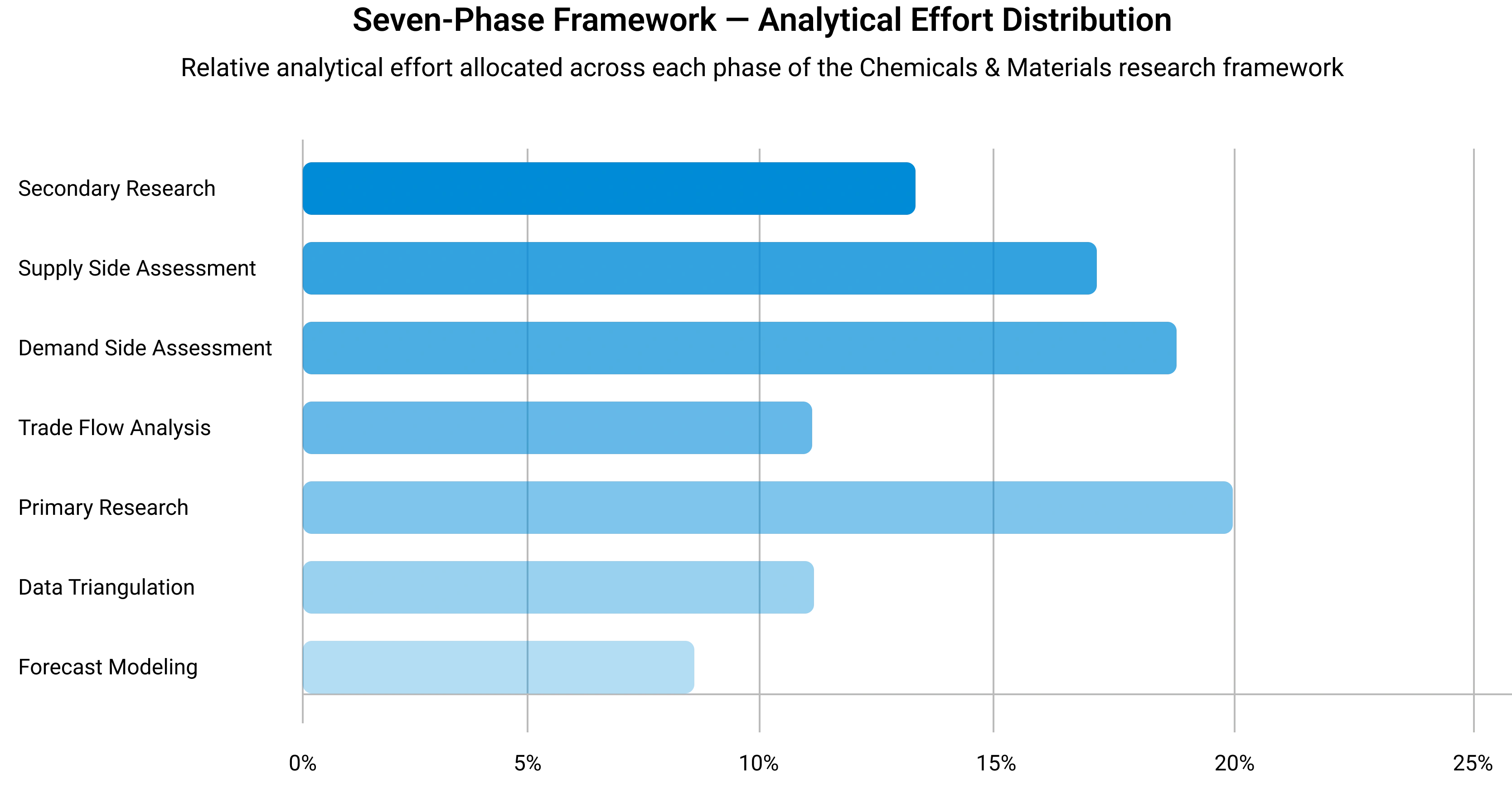
Phase 1 - Secondary Research: Establishing the Foundation
Secondary research collects and evaluates publicly available information from authoritative sources, establishing the foundational understanding of market structure, value chain dynamics, competitive landscape, and end-use demand patterns. Every source is evaluated for credibility, recency, geographic relevance, and methodological soundness before inclusion.
Industry Associations
Sources include ACC, CEFIC, ICCA, JCIA, CPCIF, and SOCMA providing production volumes, consumption trends, capacity developments, and sustainability initiatives.
Company Disclosures
Annual reports, investor presentations, earnings transcripts, and regulatory filings reveal product portfolios, manufacturing footprints, capacity expansions, and revenue segmentation.
Government Databases
National statistical offices, customs authorities, environmental agencies, and industrial production databases provide verified statistics on output, trade flows, and regulatory compliance.
Trade Databases
UN Comtrade, ITC, Eurostat, and national customs authorities enable assessment of global product movement, import dependency, and export competitiveness across regions.
Our Secondary Research Sources
- Ministry of Chemicals and Fertilizers
- European Chemicals Agency
- United States Department of Energy
- Ministry of Industry and Information Technology
- Ministry of Economy Trade and Industry
- Ministry of Trade Industry and Energy
- National Institute of Standards and Technology
- Council of Scientific and Industrial Research
- Fraunhofer Society
- National Institute for Materials Science
Phase 2 — Supply-Side Assessment: Mapping Production Capabilities
Production Capacity Analysis
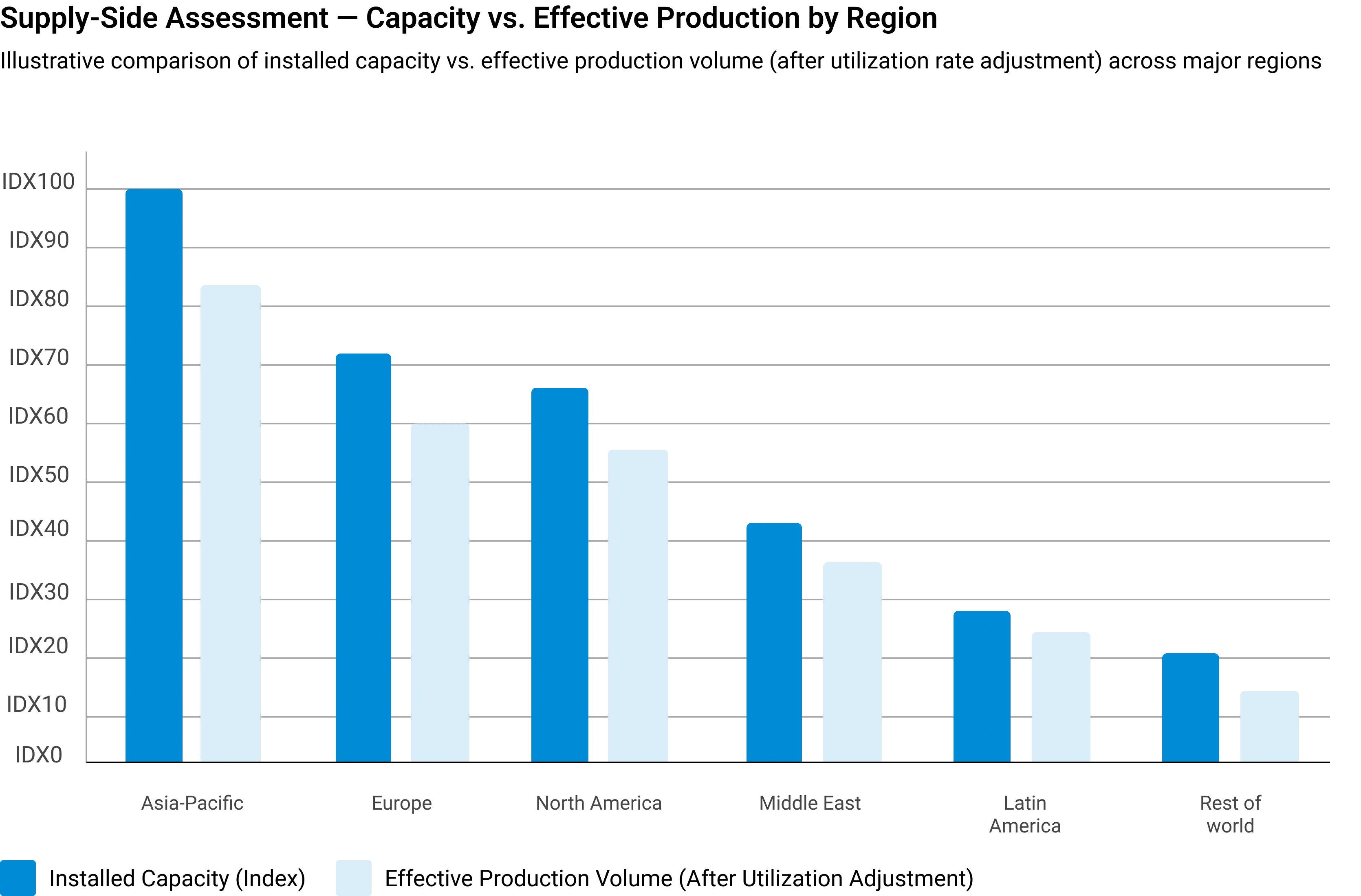
All major manufacturers are assessed for existing installed capacity, planned additions, expansions, new plant announcements, and technology adoption — mapped at global, regional, and country levels.
Capacity Utilization Adjustment
Installed capacity is adjusted using utilization rates based on demand conditions, feedstock availability, plant operating rates, maintenance schedules, and regulatory restrictions.
Manufacturer Revenue Analysis
Product-specific revenues, segment-level performance, regional distribution, average selling prices, and margin trends are evaluated to establish market value estimates.
Supply-Side Assessment — Capacity vs. Effective Production by Region
Illustrative comparison of installed capacity vs. effective production volume (after utilization rate adjustment) across major regions
Phase 3 — Demand-Side Assessment: Quantifying Chemical Consumption
Demand-side analysis quantifies chemical consumption across industries, applications, and geographies — identifying where and how chemicals are consumed throughout the value chain with precision.
End-Use Industry Analysis
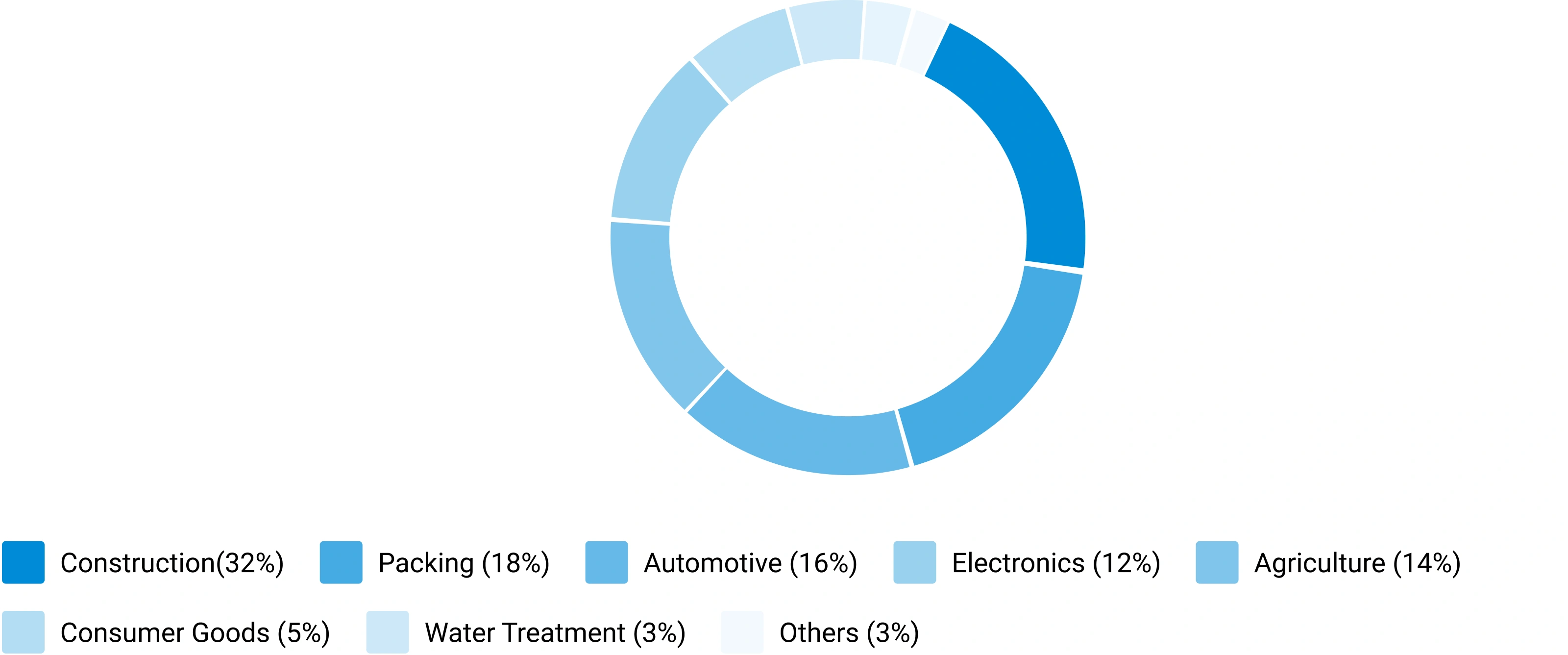
Chemical demand is evaluated across automotive, construction, packaging, electronics, agriculture, healthcare, consumer goods, industrial manufacturing, energy and utilities, and water treatment. Industry output, production trends, and consumption intensity are analyzed to determine demand patterns.
Consumption Modeling
Demand is estimated using measurable indicators: kilograms per vehicle, kilograms per square meter of construction, dosage per cubic meter of water treated, kilograms per hectare of agricultural land, and kilograms per ton of manufactured products. Consumption factors are validated through industry publications and primary interviews.
Application Analysis
The market is segmented by application area to understand product performance requirements, formulation trends, technology adoption, customer preferences, and regulatory requirements improving demand accuracy and segmentation granularity.
Demand-Side Assessment — End-Use Industry Demand Distribution
Illustrative distribution of chemical & materials demand across key end-use industries
Phase 4 - Trade Flow Analysis: Balancing Regional Supply and Demand
Trade flow analysis reconciles regional supply and demand estimates through import and export data, identifying net supply positions, regional dependencies, and market imbalances. It serves as an independent validation layer that tests the consistency of supply-side and demand-side estimates.
Import Analysis
Import data is evaluated to determine volumes, source countries, product dependency, regional supply gaps, and pricing trends — identifying markets that rely heavily on external supply and where domestic production is insufficient to meet demand.
Export Analysis
Export assessments reveal production surplus, export competitiveness, regional manufacturing strength, and global market participation. Export patterns also help validate domestic production estimates and identify net exporting regions.
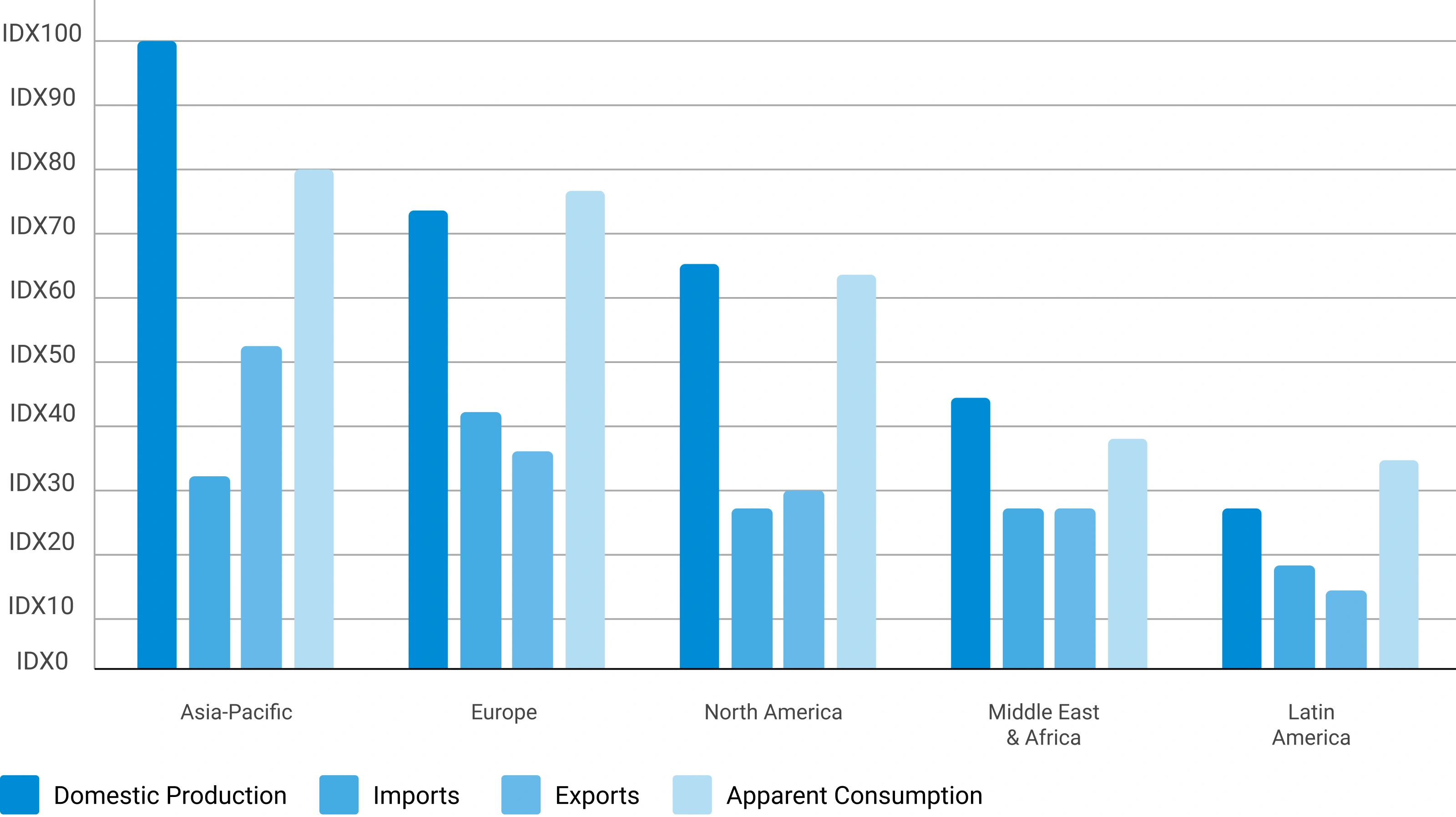
Apparent Consumption Model
Regional consumption is assessed using the standard apparent consumption formula:
Results identify net importing regions, net exporting regions, regional deficits, and surpluses — serving as an independent validation of supply and demand estimates.
Trade Flow Analysis — Net Supply Position by Region
Illustrative apparent consumption vs. domestic production across major regions — positive gap indicates net import dependency
Phase 5 — Primary Research: The Critical Validation Layer
Primary research tests and refines findings from secondary research through direct engagement with industry participants across the supply chain, demand side, and expert community. It captures intelligence that no database or published report can provide — the real-world experience of manufacturers, buyers, and specialists operating in the market.

Supply-Side Interviews
Conversations with chemical manufacturers, raw material suppliers, contract manufacturers, technology providers, and plant operators cover production trends, capacity utilization, pricing developments, technology shifts, and competitive dynamics.

Demand-Side Interviews
Engagement with OEMs, industrial consumers, procurement managers, distributors, formulators, and end-use manufacturers focuses on consumption trends, purchasing behavior, product substitution, demand outlook, and emerging applications.

Industry Expert Consultations
Additional interviews with industry consultants, independent experts, regulatory specialists, technical professionals, and research institutions provide deeper market context and validate key analytical assumptions.
Focus Areas of Primary Research:
Market Size & Forecast Validation
Revenue estimates, volume consumption, growth rates, forecast assumptions, regional demand.Supply Chain & Value Chain Assessment
Raw material sourcing, supply chain challenges, distribution networks, procurement practices.Production & Capacity Analysis
Manufacturing capacity, utilization rates, expansion projects, plant investments.Pricing & Cost Structure Analysis
Product pricing trends, feedstock costs, energy costs, margin pressures, pricing outlook.Competitive Landscape Assessment
Volume and value estimates confirmed to be fully consistent with one another before publicationInterview Volume by Market Scope
| Study Scope | Number of Interviews |
|---|---|
| Niche Market | 20 – 30 |
| Mid-Sized Market | 30 – 50 |
| Global Market | 50 – 80 |
| Highly Fragmented Market | 80 – 120 |
Interview Details:
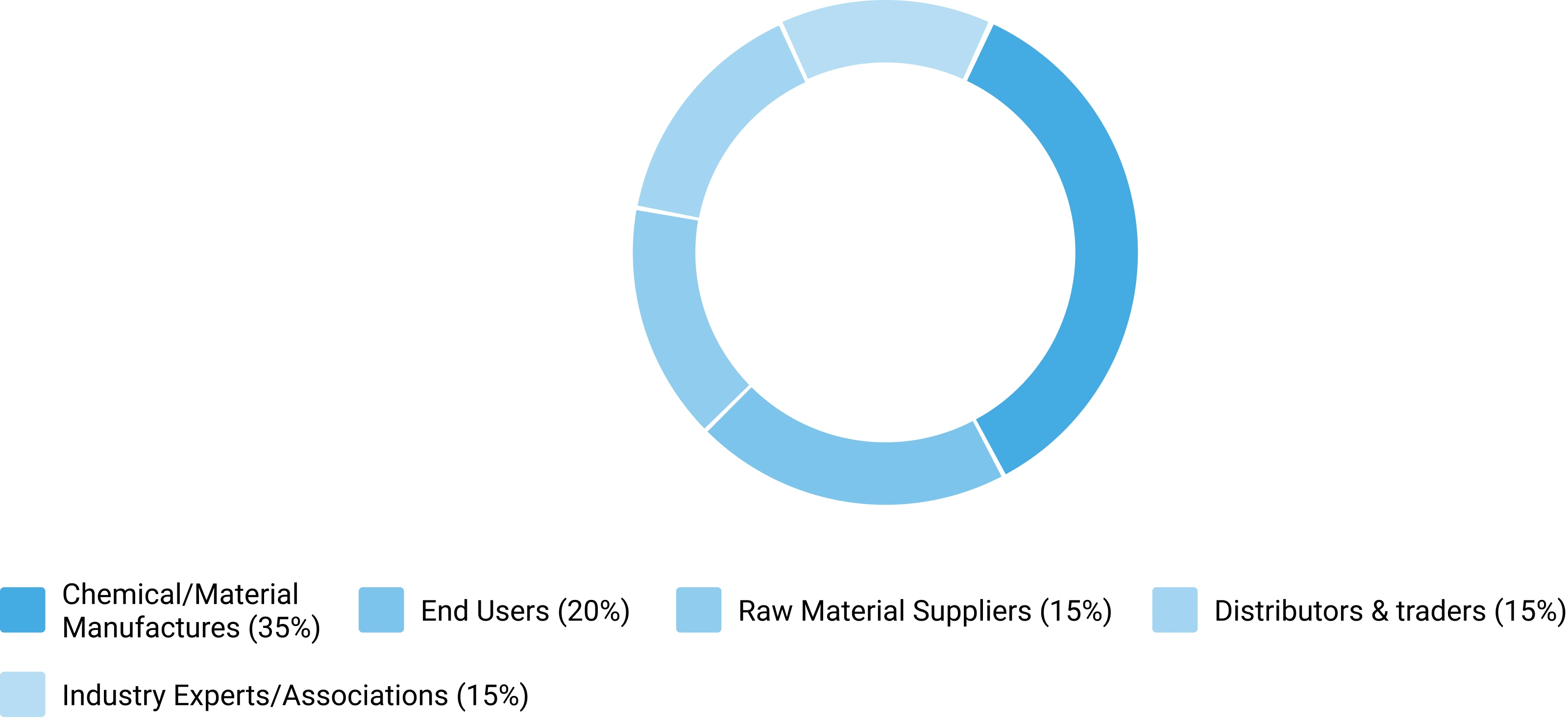
Category : Manufacturers, Suppliers, Distributors, End Users, Experts/Associations
Average Duration : 30–60 Minutes
Interview Mode : Video calls, telephonic interviews, expert consultations
Interview Format : Structured / Semi-Structured questionnaire
Focus Areas of Primary Research:
Market Size & Forecast Validation :
Revenue estimates, volume consumption, growth rates, forecast assumptions, regional demand.
Supply Chain & Value Chain Assessment :
Raw material sourcing, supply chain challenges, distribution networks, procurement practices.
Production & Capacity Analysis :
Manufacturing capacity, utilization rates, expansion projects, plant investments.
Pricing & Cost Structure Analysis :
Product pricing trends, feedstock costs, energy costs, margin pressures, pricing outlook.
Competitive Landscape Assessment :
Market share, competitor positioning, strategic initiatives, partnerships, acquisitions.
Primary Research — Stakeholder Coverage by Category
Distribution of interview respondents across stakeholder categories (% share from PPT data)
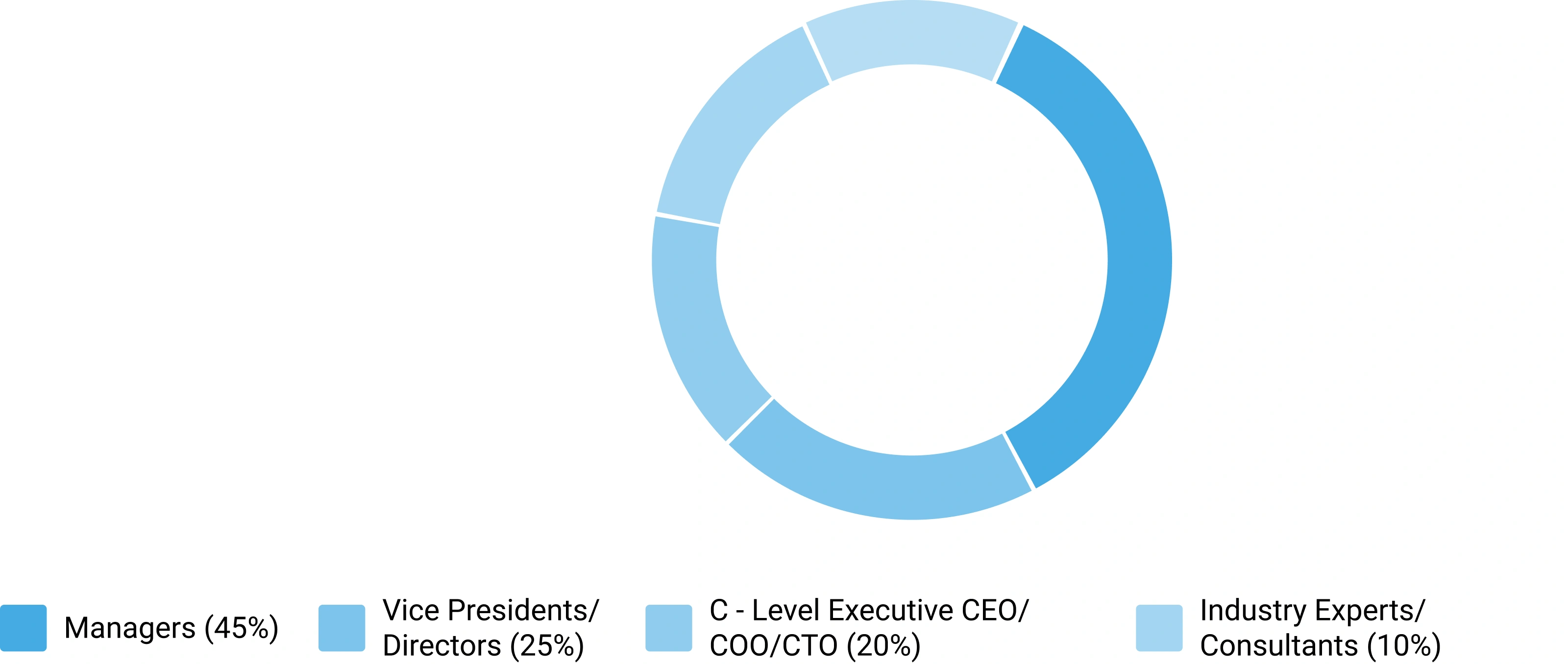
Primary Research — Respondent Designation Profile
Seniority breakdown of interview respondents (% share from PPT data)
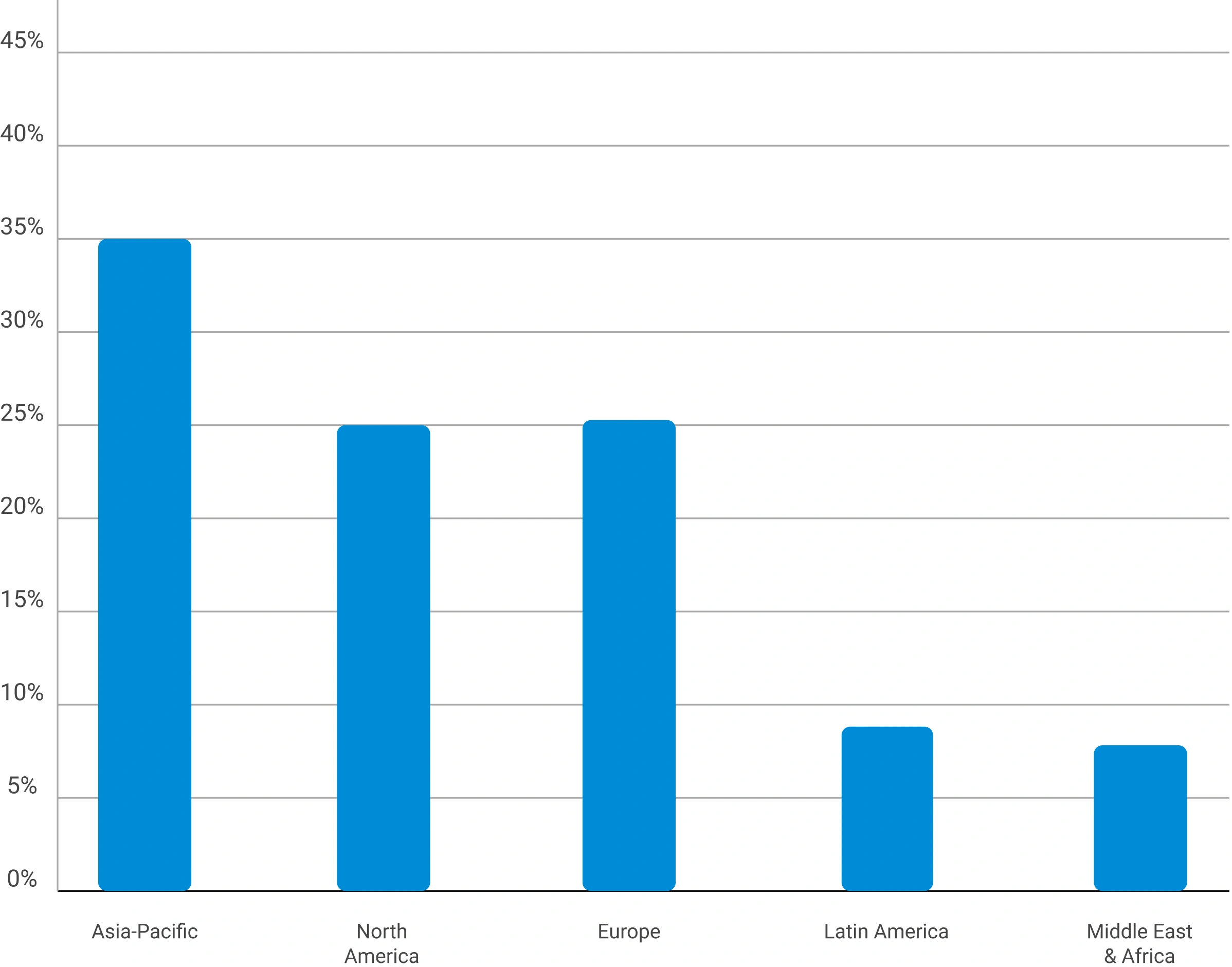
Primary Research — Geographic Coverage of Interviews
Regional distribution of primary research engagement (% share from PPT data)
Phase 6 — Data Triangulation and Market Validation
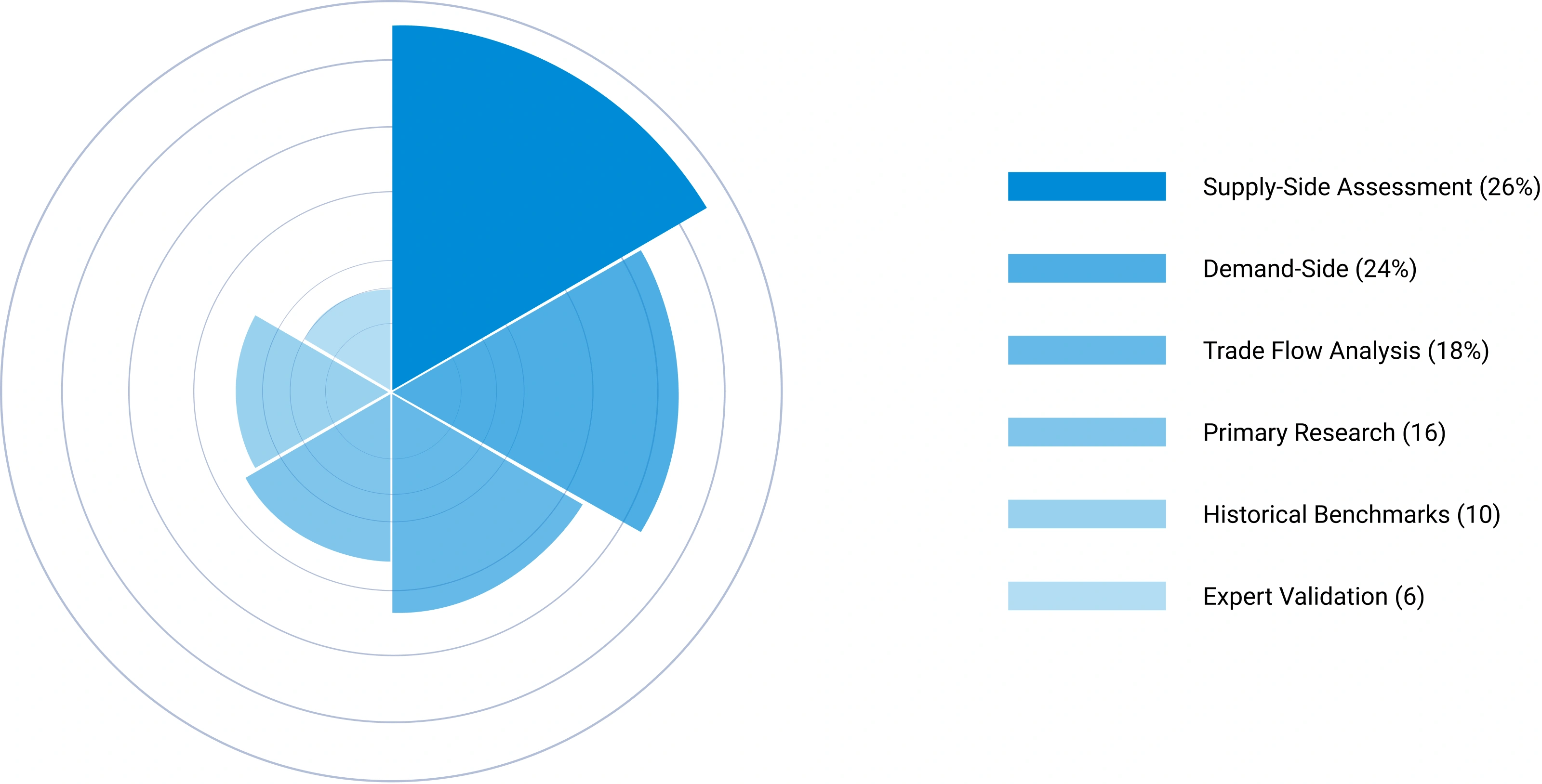
No single methodology is relied upon in isolation. Multiple independent estimation approaches are combined and reconciled to ensure consistency, accuracy, and analytical defensibility. Any material deviations between approaches are investigated and adjusted through additional validation cycles.
The final market size is derived through weighted triangulation of all validated methodologies. Any material deviations between approaches are investigated and adjusted through additional validation cycles. The outcome represents the most realistic assessment of the market based on available evidence and expert confirmation ensuring that volume and value estimates are fully consistent with one another.
Triangulation Framework — Input Contribution Weight
Relative weight each sizing input contributes to the final reconciled market estimate
Phase 7 — Forecast Modeling: Projecting Future Market Evolution
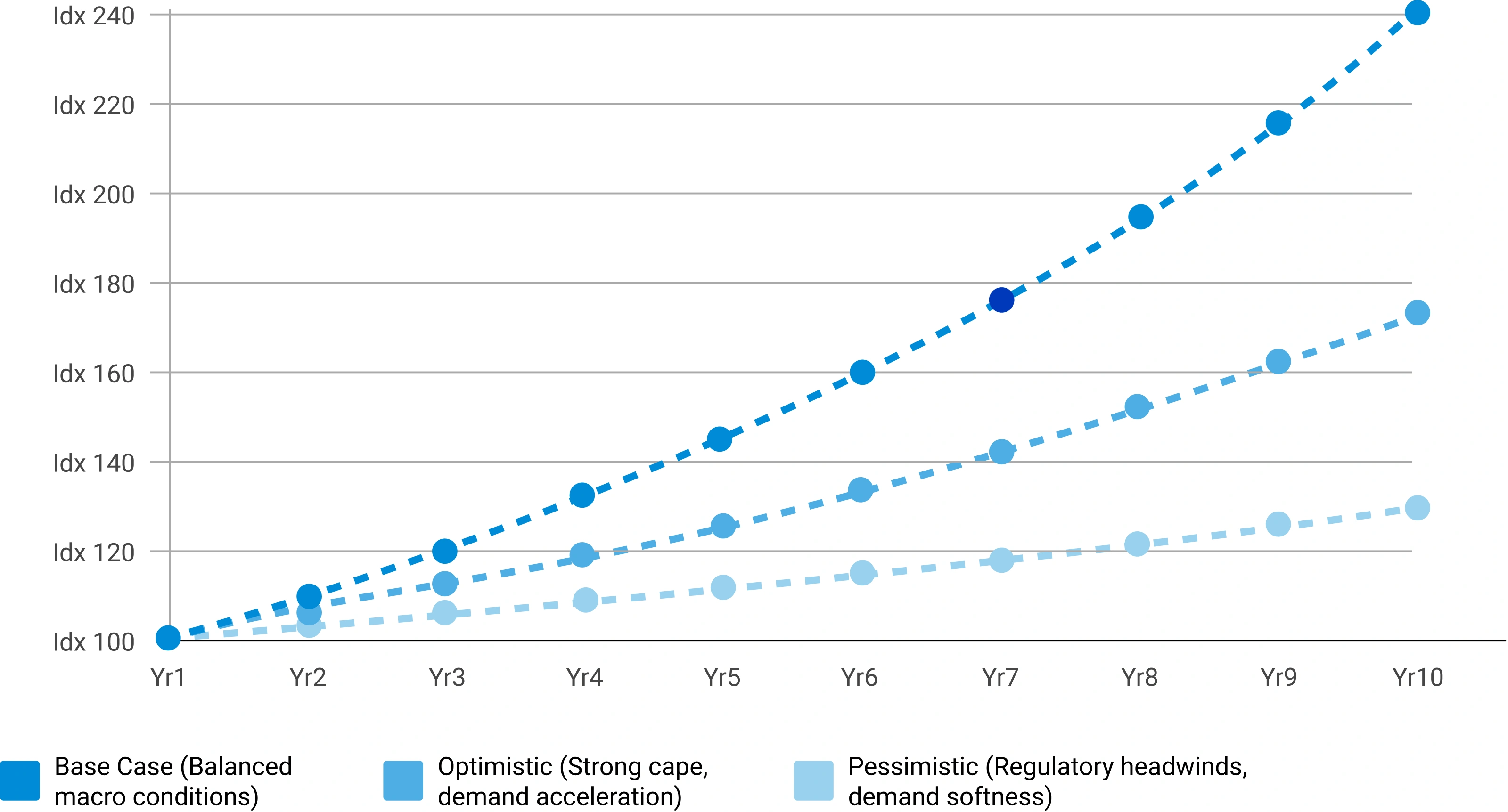
Forecasting evaluates the future trajectory of the market using a combination of quantitative indicators and qualitative assessments across economic, industry, and regulatory dimensions. Rather than simple extrapolation, each driver is independently modeled and integrated into a composite forecast.
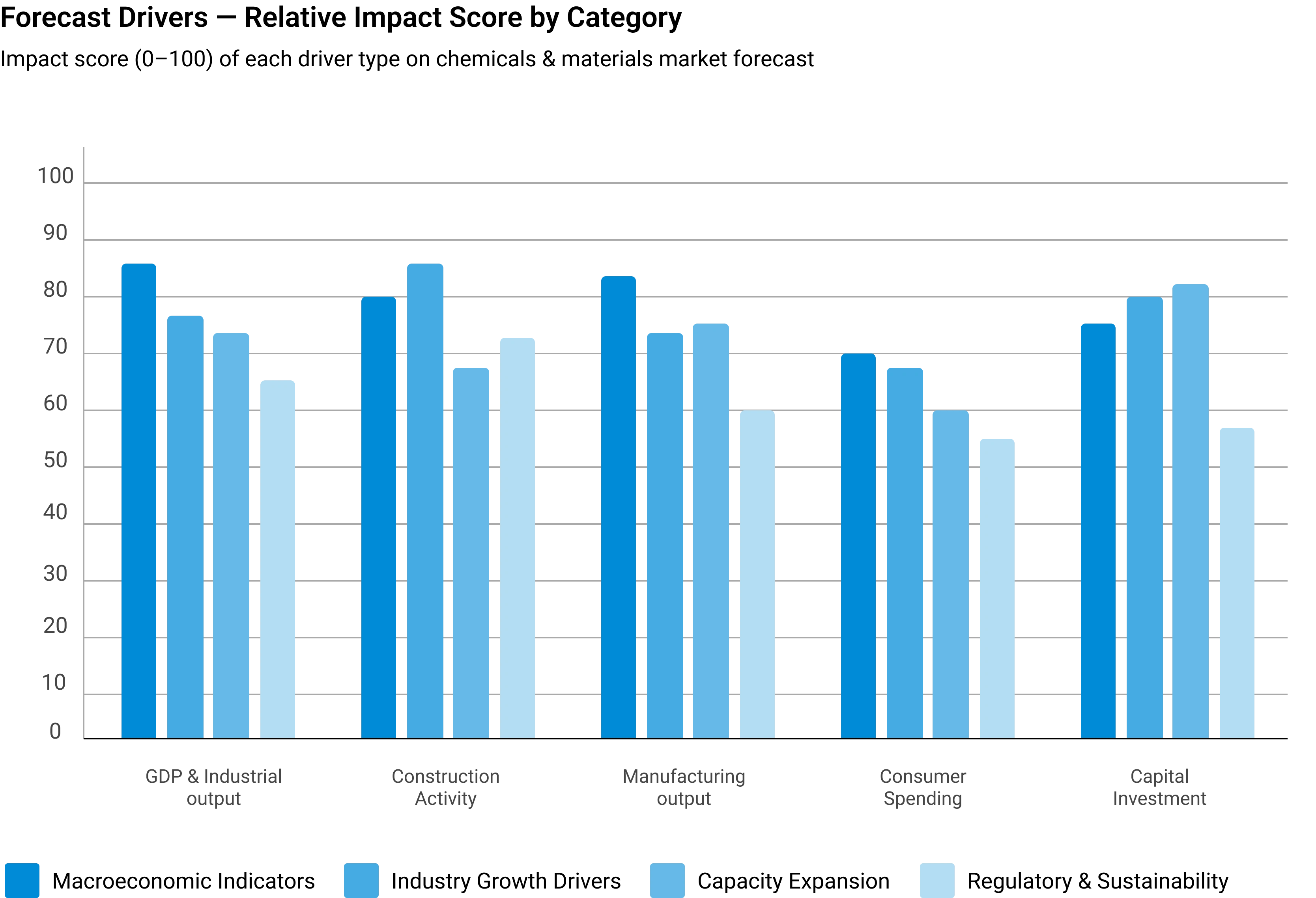
Macroeconomic Indicators
GDP growth, industrial production, manufacturing output, construction activity, consumer spending, and capital investment form the quantitative foundation of long-term demand projections. These are applied at country, regional, and global levels.
Industry Growth Drivers
Urbanization, infrastructure development, industrialization, technological innovation, sustainability initiatives, and evolving product performance requirements are assessed at regional and industry levels — capturing both structural and cyclical demand drivers.
Capacity Expansion Analysis
Announced plant expansions, new manufacturing facilities, technology upgrades, and strategic investments are evaluated to determine future supply-demand dynamics and potential market tightness or oversupply situations.
Regulatory & Sustainability
Environmental regulations, chemical safety standards, emission reduction targets, circular economy initiatives, and sustainability requirements are incorporated as they often influence product adoption rates and market growth trajectories.
Scenario Forecast Range — Indexed Market Growth (Year 1–10)
Illustrative indexed growth trajectories across Base, Optimistic, and Pessimistic scenarios over a 10-year forecast horizon
Forecast Drivers — Relative Impact Score by Category
Impact score (0–100) of each driver type on chemicals & materials market forecast



Comments
Share your thoughts, ask a question, or provide feedback about this report.