
Chitosan Market Size Analysis Report 2035
The global chitosan market size was valued at USD 5.85 billion in 2025, is estimated to reach USD 6.74 billion in 2026, and is projected to reach USD 24.19 billion by 2035, exhibiting a compound annual growth rate (CAGR) of 15.25% over the forecast period from 2026 to 2035.Asia Pacific dominated the chitosan market with the largest revenue share of 46% in 2025 and is expected to grow at the fastest CAGR of 15.38% during the forecast period.The global market is growing rapidly due to an increasing demand for eco-friendly, non-toxic, and bio-based materials. The key and major players, like Golden-Shell Pharmaceutical Co. Ltd., partnered with a biotech firm, and agrochemical firms are actively collaborating to utilize chitosans natural antimicrobial properties. Companies like Bioline, according to the latest reports.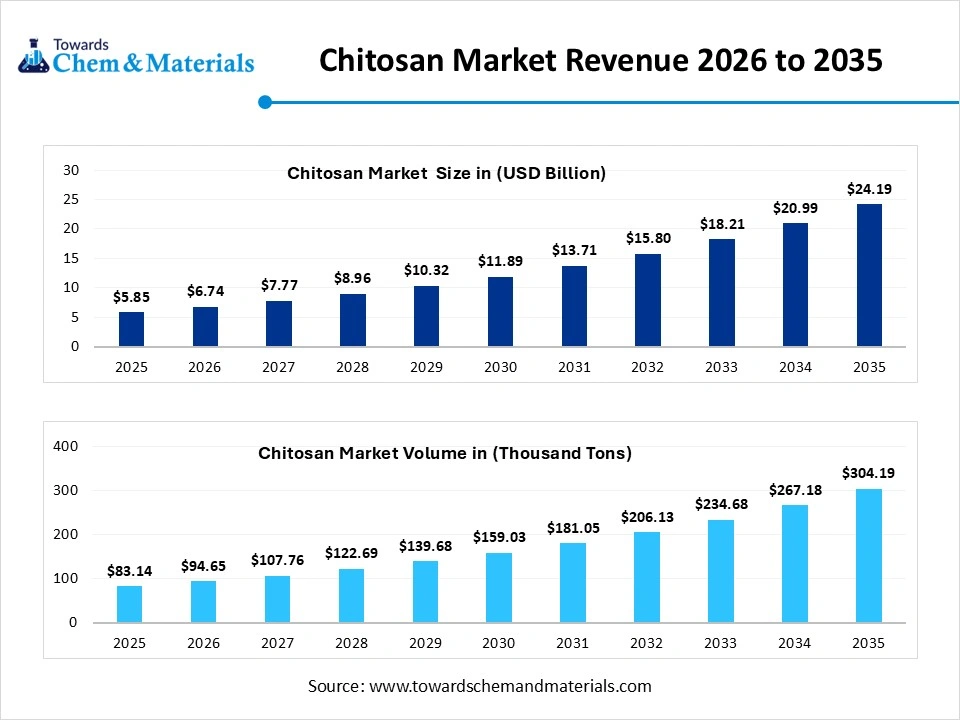
Market Highlights
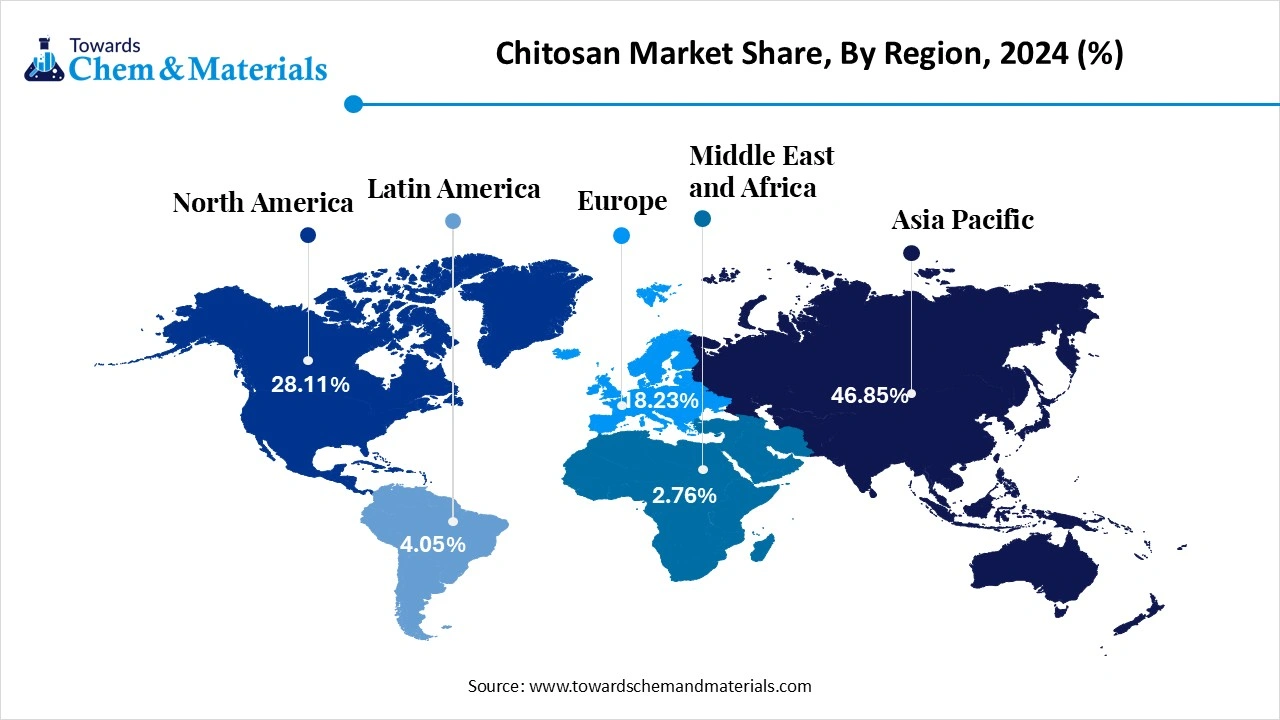
- By region, Asia Pacific dominated the market with a share of 46% in 2025. The large seafood processing industry ensures raw material availability.
- By region, North America held 21% market share in 2025 and is expected to experience the fastest growth with a CAGR of 16.3% in the forecast period. Biomedical innovation increases consumption.
- By application, the water treatment segment dominated the market with a 27% share in 2025. Rising industrial wastewater treatment investments.
- By application, the biomedical segment held 18% market share in 2025 and is expected to have the fastest growth with a CAGR of 16.7% in the forecast period. Regenerative medicine expands rapidly.
According to Towards Chemicals and Materials Analytics and Consulting, the global chitosan market volume was valued at 83.14 thousand tons in 2025 and is expected to surpass around 304.19 thousand tons by 2035, accelerating a compound annual growth rate (CAGR) of 13.85% over the forecast period from 2026 to 2035.
Market Overview
What Is the Significance of the Chitosan Market?
The chitosan market is highly significant because it supplies an eco-friendly, natural biopolymer used to replace toxic synthetic chemicals across major industries. Derived from shellfish and fungi, its value lies in its biodegradability, antimicrobial properties, and biocompatibility, making it essential for healthcare, cosmetics, water purification, and agriculture. Chitosan acts as a powerful natural flocculant (a substance that causes particles to clump together). It is used to bind and remove heavy metals, oils, and toxic pollutants from wastewater without harming aquatic life.
It is widely used to remove heavy metals and toxic chemicals from wastewater, acting as a safer, natural alternative to synthetic purifiers. In the "clean beauty" sector, chitosan is used in skincare and hair care for its moisturizing and anti-aging properties. It is used as a natural preservative, clarifying agent, and dietary supplement to extend food shelf life and aid in cholesterol management. Farmers use chitosan as a natural pesticide and plant growth enhancer. Chitosan is used to coat seeds and enhance plant growth naturally while fighting off harmful fungal infections.
- For instance, Primex Iceland, an Icelandic marine biotech company and a global leader in sustainable production of high-quality chitosan and pure chitosan powder, announced the launch of its ultra-high-purity pharmaceutical-grade chitosan powder, optimized specifically for ocular therapies and tissue engineering under the brand names ChitoCare®, ChitoClear®, LipoSan Ultra®, and SeaKlear®.(Source: www.primex.is)
Market Trends
- The growing demand for natural and sustainable products due to increasing environmental impact and awareness increases the adoption of sustainable products.
- The advancement in wastewater treatment uses chitosan as an effective agent, which is biodegradable and non-toxic, aligning with sustainability and environmental concerns.
- The increasing expansion of chitosan uses due to its application in various industries like food and beverages, biomedical, and pharmaceuticals drives the growth of the market.
- The growing research and development in production and method improvement, and making a stable formulation for various applications, fuels the growth of the market.
Report Scope
| Report Attributes | Details |
| Market Size in 2026 | USD 6.74 Billion/ 94.65 Thousand Tons |
| Expected Size by 2035 | USD 24.19 Billion/ 304.19 Thousand Tons |
| Growth Rate from 2025 to 2035 | CAGR 15.25% |
| Base Year of Estimation | 2025 |
| Forecast Period | 2025 - 2035 |
| Dominant Region | Asia Pacific |
| Segment Covered | By Application, By Region |
| Key Companies Profiled | Qingdao Yunzhou Biochemistry Co., Panvo Organics Pvt. Ltd., Advanced Biopolymers AS, Meron Biopolymers, Biophrame Technologies, United Chitotechnologies Inc., Heppe Medical Chitosan GmbH, KitoZyme S.A., Foodchem International Corporation, Chitosanlab,FMC Corporation, Golden-Shell Pharmaceutical Co. Ltd., Primex EHF,Nano3Bio, Koyo World (Hong Kong) Co. Ltd., Dainichiseika Color & Chemicals Mfg. Co., Ltd., KYTOSAN LLC. |
Supply Chain Analysis of the Chitosan Market
Chitosan Production & Processing
- Chitosan is produced by extracting chitin from shrimp, crab, and other crustacean shells, followed by deacetylation and purification processes to obtain high-purity biopolymer grades for pharmaceutical, food, agriculture, water treatment, and biomedical applications.
- Primex produces high-purity chitosan and chitin ingredients derived from marine raw materials. Its products are used in medical devices, dietary supplements, cosmetics, and water treatment applications.
- Key Players: KitoZyme, Primex, Heppe Medical Chitosan, Golden-Shell Pharmaceutical.
Quality Testing & Certification
- Chitosan must comply with standards for purity, degree of deacetylation, molecular weight, biocompatibility, and microbiological safety before use in food, pharmaceutical, and biomedical applications.
- Heppe Medical Chitosan specializes in medical-grade chitosan with strict quality control for pharmaceutical, biotechnology, and regenerative medicine applications, ensuring compliance with international quality standards.
- Key Authorities & Standards: International Organization for Standardization, U.S. Food and Drug Administration, European Chemicals Agency, Food and Agriculture Organization.
Distribution to End-Use Industries
- Chitosan is supplied to pharmaceutical manufacturers, food and beverage companies, cosmetic producers, water treatment facilities, agricultural companies, and biomedical device manufacturers.
- KitoZyme develops chitosan-based biopolymers for food, nutrition, and healthcare applications, offering sustainable ingredients that improve product functionality while supporting clean-label and bio-based product development.
- Key Suppliers: KitoZyme, Primex, Golden-Shell Pharmaceutical.
Market Opportunity
What are the Key Growth Opportunities Responsible for the Growth if the Chitosan Market?
The key growth opportunity responsible for the growth of the chitosan market is the growing and increasing demand and adoption of chitosan due to its properties, like a natural and renewable source, biodegradability, sustainability, and biocompatibility drive the demand from various industries like food and beverages, agriculture, pharmaceutical, and biomedical. Cosmetics, personal care, and wastewater treatment are due to their wide applications, which fuel the growth of the market. The growing advancement and research, and developments in new applications exploration, like bio-printing, and also in paints and coatings, further fuel the market. These applications and rising adoption drive the growth of the market and help in its expansion of the market.
Market Challenge
The High Production Cost and Limited Raw Materials Availability Hinder the Growth of the Chitosan Market
The chitosan processing, like extraction and purification, is a complex and expensive process that requires skilled labor and also needs expensive equipment, which adds to the cost of the processing and leads to a higher cost of the final product, which is a challenge in the growth of the market. The limited raw material availability and fluctuation in the raw materials supply chain due to seasonal changes are a challenge to growth. The quality of the raw material also plays a crucial role in the growth of the market, which hinders the adoption due to quality and also leads to a higher cost of the final product and affecting the price-sensitive market and productivity.
Segmental Insights
Application Insights
The biomedical segment dominated the chitosan market in 2025. Chitosan is a versatile biopolymer and is biocompatible and biodegradable. The growth of the market is driven by the growing application in biomedical fields like drug delivery, peptides, proteins, and genes, in wound healing to reduce inflammation, tissue engineering due to its biocompatibility, in cell adhesion and growth, for antimicrobial applications for biomedical devices, and wound dressing, these applications fuel the growth and adoption of the market. Chitosan also finds use in areas like gene therapy, cancer therapy, bioimaging, and as a hemostatic agent, which fuels the growth of the market. Advancements in technology, like the processing of nanoparticles, hydrogels, and nanocomposites, and the enhancement of biomedical applications, drive the growth of the market and also help in its expansion of the market.
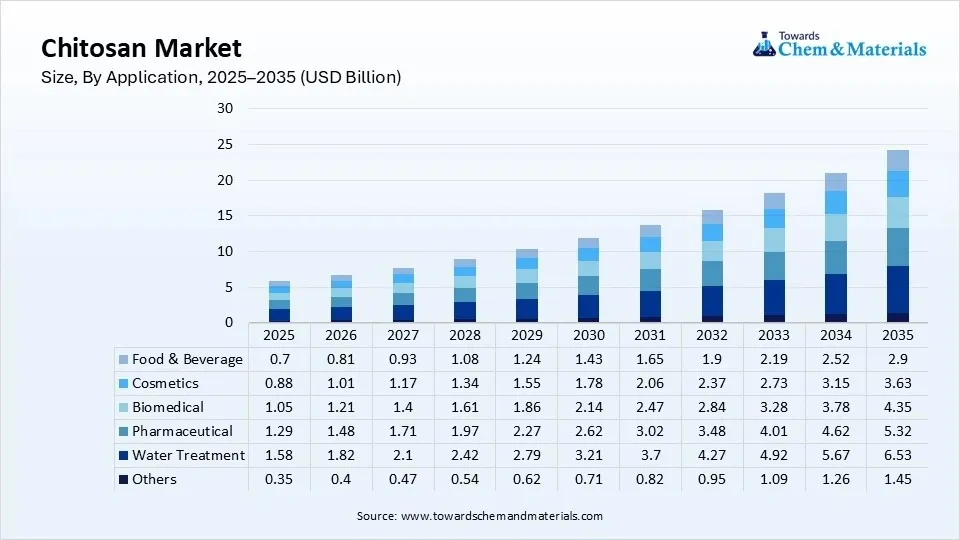 The cosmetics segment expects significant growth in the market during the forecast period. Chitosan is a natural polysaccharide and is used in cosmetics due to its benefits and properties for skin and hair, due to its moisturizing, film-forming, and antimicrobial properties, which make it a versatile component in cosmetics due to its safety profile and its properties, which drive the demand for the market. The growth of the market is driven by its application in skin hydration, reducing inflammation, and strengthening the skins natural barriers by conditioning, which also attracts consumers due to its natural origin and safety. This increases adoption and fuels the growth of the market. It is also widely used in minimizing the effect and appearance of scars by promoting skin repair, and is also used in preventing infection. These application sad properties drive the growth of the market and support the expansion of the market.
Chitosan Market Share, By Application, 2025(%)
| By Application | Market Share (%) |
| Water Treatment | 27% |
| Pharmaceutical | 22% |
| Biomedical | 18% |
| Cosmetics | 15% |
| Food & Beverage | 12% |
| Others | 6% |
Regional Insights
How did Asia Pacific dominate the Chitosan Market in 2025?
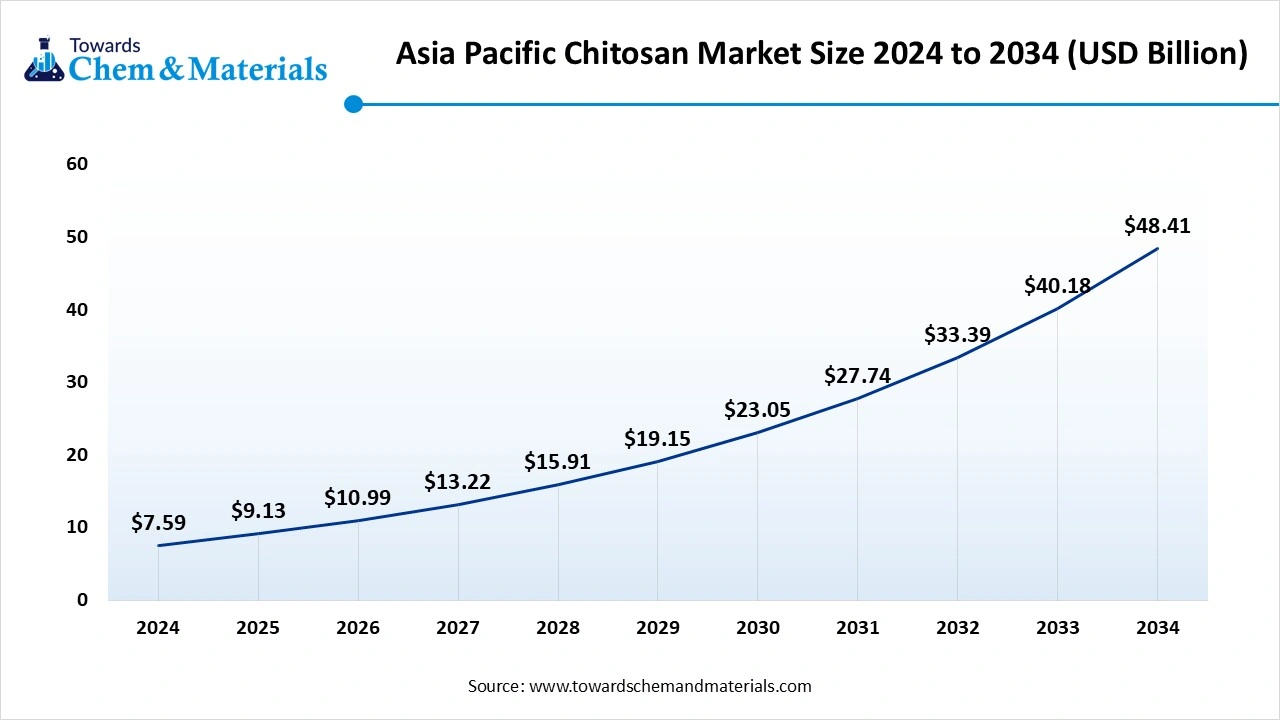
The Asia Pacific chitosan market size was estimated at USD 2.69 billion in 2025 and is projected to reach USD 11.25 billion by 2035, growing at a CAGR of 15.38% from 2026 to 2035.Asia Pacific dominated the market with the largest share of 46% in 2025. The region secured its top position due to abundant raw material supplies, massive manufacturing scale, and rising demand for natural ingredients in water treatment, aquaculture, and biomedical industries. Chitosan is widely used in fish and shrimp farming as a food additive to prevent disease and promote growth. The booming aquaculture industry in countries like India and China created a massive regional demand for these feed additives.
 China
China
China’s chitosan market is driven by abundant raw material supplies, rising demand for biodegradable materials, and the rapid expansion of end-use industries.Due to strict environmental protection rules, large amounts of chitosan are used to clean industrial water. It works like a magnet to attract and remove heavy metals and pollutants.
India
The demand for wastewater is high in India. Chitosan acts as a natural "flocculant". This means it clumps tiny bits of dirt together so they can be removed easily from water.In India, farmers use it as a safe pesticide, soil conditioner, and plant growth enhancer. It helps increase crop yields while keeping farming eco-friendly.
North America Chitosan Market Growth Factor
North America held a market share of 21% in 2025 and is expected to grow at the fastest CAGR of 16.3% over the forecast period, driven by rising consumer demand for natural and eco-friendly products, strict environmental regulations on water purification, and a robust pharmaceutical and biomedical industry. Chitosan is a natural, sugar-based substance made from the outer skeletons of shellfish like crabs and shrimp. Strict government rules, such as EPA standards in the US, require safe, non-toxic methods to remove heavy metals and chemicals from water.
United States
Chitosan is a natural sugar made from the hard outer shells of shellfish. It is highly prized in the U.S. for its use in advanced medicine, water cleaning, cosmetics, and food packaging.
The U.S. military and healthcare sectors use chitosan heavily for specialized bandages. Its natural ability to stop bleeding and fight bacteria makes it vital for medical products.
Canada
Canadas focus on the circular bioeconomy, a system that reuses and recycles natural waste, boosts demand for chitosan as a safe, natural food preservative and packaging material.Strict Canadian regulations encourage using natural ingredients in skin care. Chitosans healing properties make it popular for wound dressings, drug delivery, and cosmetics.
Europe Chitosan Market Growth Factor
Europe held a market share of 19% in 2025, driven by strict environmental laws, a shift toward green cosmetics, and rising demand for biodegradable plastics. Chitosan, a sugar made from hard outer shells of shellfish, acts as a natural preservative, water purifier, and plant booster. Governments in Europe are banning single-use plastics. Food companies now use chitosan films to make food-safe, bio-based packaging.
Germany
Germany has the largest pharmaceutical market in Europe. Chitosan is a vital material for medical device coatings, wound healing, and advanced drug delivery.The European Union requires strict water standards. German water treatment authorities use chitosan to filter contaminants from wastewater without using harmful synthetic chemicals.
France
The French chitosan market is rapidly expanding, driven by strict European Union regulations favoring eco-friendly materials, high demand for biodegradable water treatment solutions, and its growing use in pharmaceuticals and cosmetics.Consumers in France prefer natural, bio-based cosmetics. Chitosan is a popular ingredient because it has moisturizing and anti-aging properties.
Latin America Chitosan Market Growth Factor
Latin America held a market share of 8% in 2025, growing rapidly due to an increasing demand for eco-friendly, bio-based products. Major factors include the booming agriculture sector, rising organic farming, and increasing adoption in water treatment and food preservation. It is also fueled by expanding cosmetics and healthcare applications. Latin American countries are strictly limiting the use of single-use plastics. Chitosan is a natural, biodegradable material used to create edible or eco-friendly food packaging that keeps food fresh for longer.
Brazil
Brazil’s government actively funds green farming practices to lower chemical use. Chitosan helps make eco-friendly fertilizers and pesticides that boost crop growth.
Medical companies use chitosan in wound care bandages, tissue engineering, and drug delivery systems because it helps heal skin and fight infections.
Argentina
Argentina has a booming deep-sea fishing industry, particularly in Patagonia, which yields thousands of tons of shrimp waste annually. Because extracting chitosan transforms this polluting biowaste into high-value products, circular-economy initiatives are highly profitable.Argentina is a global powerhouse for cash crops like soybeans and maize. Chitosan is increasingly used as a natural biostimulant. It improves seed germination, boosts crop immunity against fungi, and helps plants survive periods of drought.
Middle East & Africa Chitosan Market Growth Factor
The Middle East & Africa held a market share of 6% in 2025, driven by severe water scarcity, expanding sustainable agriculture, and investments in biomedical research. Chitosan, a natural sugar made from the hard outer shells of shellfish, is valued for its safety, non-toxicity, and biodegradability. Countries like Saudi Arabia are investing billions in greenhouse agriculture and sustainable crop growth to improve food security. Chitosan is used as an eco-friendly fertilizer and crop protector to help plants resist diseases.
Saudi Arabia
The Saudi government implemented strict regulations (SASO 2879:2023) regarding biodegradable plastics. This drives companies to use chitosan to make eco-friendly packaging.Saudi Arabia relies heavily on wastewater treatment. Chitosan acts as a natural coagulant to remove impurities and purify water.Saudi Arabias Vision 2030 plan promotes local manufacturing and biotechnology research. These government incentives attract private investment and reduce the need to import raw materials.
UAE
The UAE government prioritizes advanced water purification. Chitosan acts as a natural purifier to clean wastewater without using harsh chemicals.The United Arab Emirates (UAE) chitosan market is growing rapidly. This growth is mainly driven by government policies that support green products.UAE consumers increasingly prefer natural beauty products. Chitosan serves as a safe moisturizer and antibacterial agent in creams and makeup.
Recent Developments
- In March 2026, Just Björn Marine Supplement, the public benefit company, announced the launch of its Marine Chitosan fiber supplement, which is derived from wild-caught ocean sources and taps into the growing health trend of dietary fiber.(Source: www.nutritioninsight.com)
- In July 2025, Iterro Life Sciences expanded its trū Chitosan brand by filing patents for USP Inhalant medical-grade chitosan. It is noted for its high purity in drug delivery, vaccine development, and tissue engineering. (Source: www.scbio.org)
- In April 2025, BC3 Technologies a Baltimore-based, minority-owned company, secured a U.S. patent for its SEAL Hemostatic Wound Spray, introducing the world’s first FDA-cleared aerosolized chitosan designed to halt rapid arterial bleeding.(Source: www.biospace.com)
Top Companies List
- Qingdao Yunzhou Biochemistry Co.
- Panvo Organics Pvt. Ltd.
- Advanced Biopolymers AS
- Meron Biopolymers
- Biophrame Technologies
- United Chitotechnologies Inc.
- Heppe Medical Chitosan GmbH
- KitoZyme S.A.
- Foodchem International Corporation
- Chitosanlab
- FMC Corporation
- Golden-Shell Pharmaceutical Co. Ltd.
- Primex EHF
- Nano3Bio
- Koyo World (Hong Kong) Co. Ltd.
- Dainichiseika Color & Chemicals Mfg. Co. Ltd.
- KYTOSAN LLC
Segments Covered
By Application
- Water Treatment
- Municipal Water Treatment
- Industrial Wastewater Treatment
- Drinking Water Purification
- Pharmaceutical
- Drug Delivery Systems
- Wound Healing
- Tissue Engineering
- Pharmaceutical Excipients
- Biomedical
- Regenerative Medicine
- Medical Devices
- Bioadhesives
- Surgical Materials
- Cosmetics
- Skin Care
- Hair Care
- Oral Care
- Personal Hygiene Products
- Food & Beverage
- Food Preservation
- Functional Foods
- Beverage Clarification
- Dietary Supplements
- Others
- Agriculture
- Textiles
- Paper & Pulp
- Animal Feed
- Packaging
- Research Applications
By Region
- North America
- U.S.
- Canada
- Europe
- Germany
- UK
- France
- Italy
- Spain
- Sweden
- Denmark
- Norway
- Asia Pacific
- China
- Japan
- India
- South Korea
- Thailand
- Latin America
- Brazil
- Mexico
- Argentina
- Middle East and Africa (MEA)
- South Africa
- UAE
- Saudi Arabia
- Kuwait
A Seven-Phase Framework
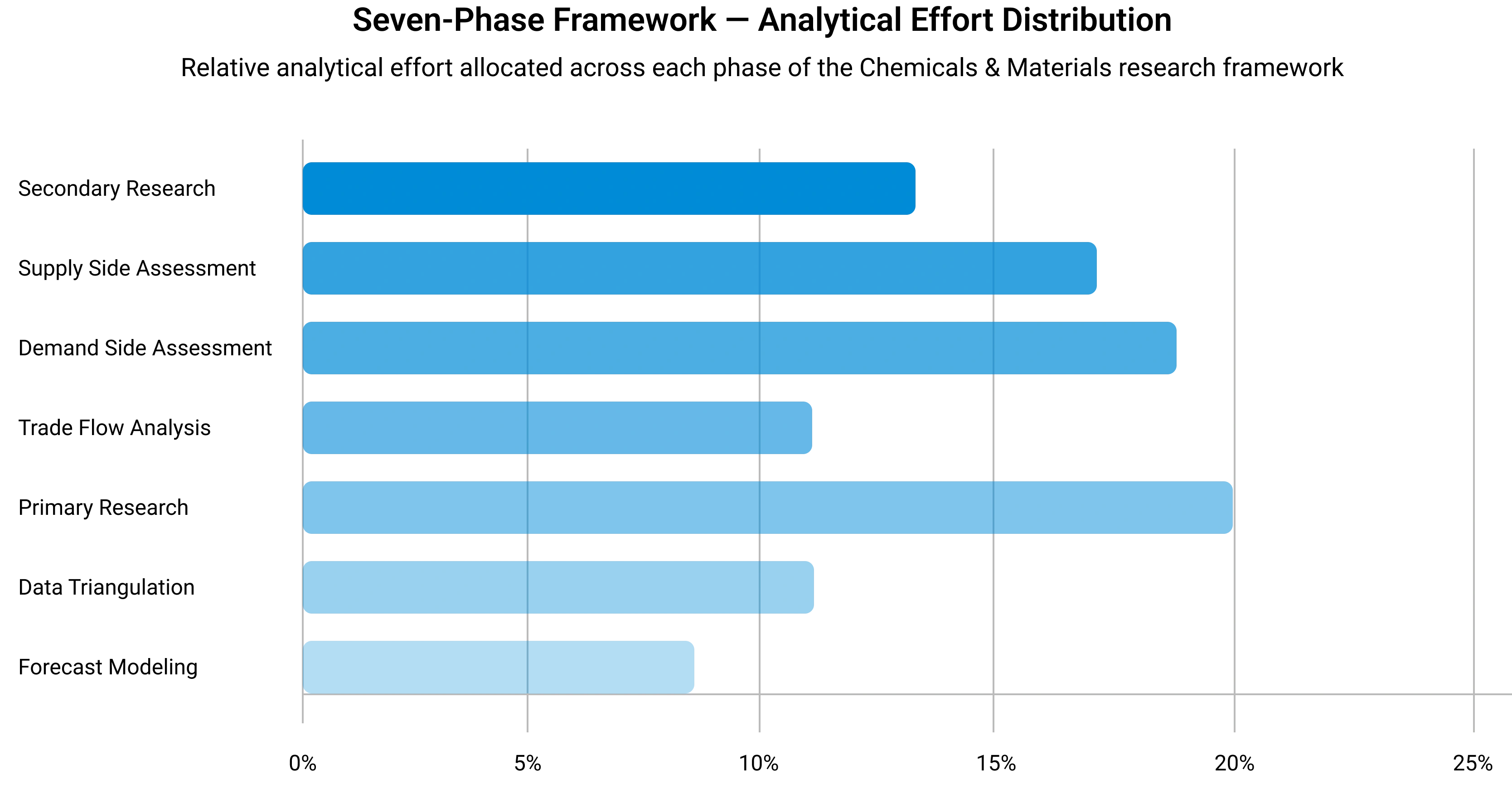
Our methodology is designed to be universally applicable across commodity chemicals, specialty chemicals, petrochemicals, construction chemicals, coatings, electronic chemicals, industrial gases, agrochemicals, water treatment chemicals, and performance materials. Each phase builds upon the last, creating a layered validation structure that minimizes estimation error and maximizes analytical confidence.
The framework ensures comprehensive market coverage, robust cross-validation, and reliable long-term forecasting — producing market estimates that withstand scrutiny from investors, regulators, and corporate strategy teams.

Seven-Phase Framework — Analytical Effort Distribution
Relative analytical effort allocated across each phase of the Chemicals & Materials research framework
Phase 1 - Secondary Research: Establishing the Foundation
Secondary research collects and evaluates publicly available information from authoritative sources, establishing the foundational understanding of market structure, value chain dynamics, competitive landscape, and end-use demand patterns. Every source is evaluated for credibility, recency, geographic relevance, and methodological soundness before inclusion.
Industry Associations
Sources include ACC, CEFIC, ICCA, JCIA, CPCIF, and SOCMA providing production volumes, consumption trends, capacity developments, and sustainability initiatives.
Company Disclosures
Annual reports, investor presentations, earnings transcripts, and regulatory filings reveal product portfolios, manufacturing footprints, capacity expansions, and revenue segmentation.
Government Databases
National statistical offices, customs authorities, environmental agencies, and industrial production databases provide verified statistics on output, trade flows, and regulatory compliance.
Trade Databases
UN Comtrade, ITC, Eurostat, and national customs authorities enable assessment of global product movement, import dependency, and export competitiveness across regions.
Our Secondary Research Sources
- Ministry of Chemicals and Fertilizers
- European Chemicals Agency
- United States Department of Energy
- Ministry of Industry and Information Technology
- Ministry of Economy Trade and Industry
- Ministry of Trade Industry and Energy
- National Institute of Standards and Technology
- Council of Scientific and Industrial Research
- Fraunhofer Society
- National Institute for Materials Science
Phase 2 — Supply-Side Assessment: Mapping Production Capabilities
Production Capacity Analysis
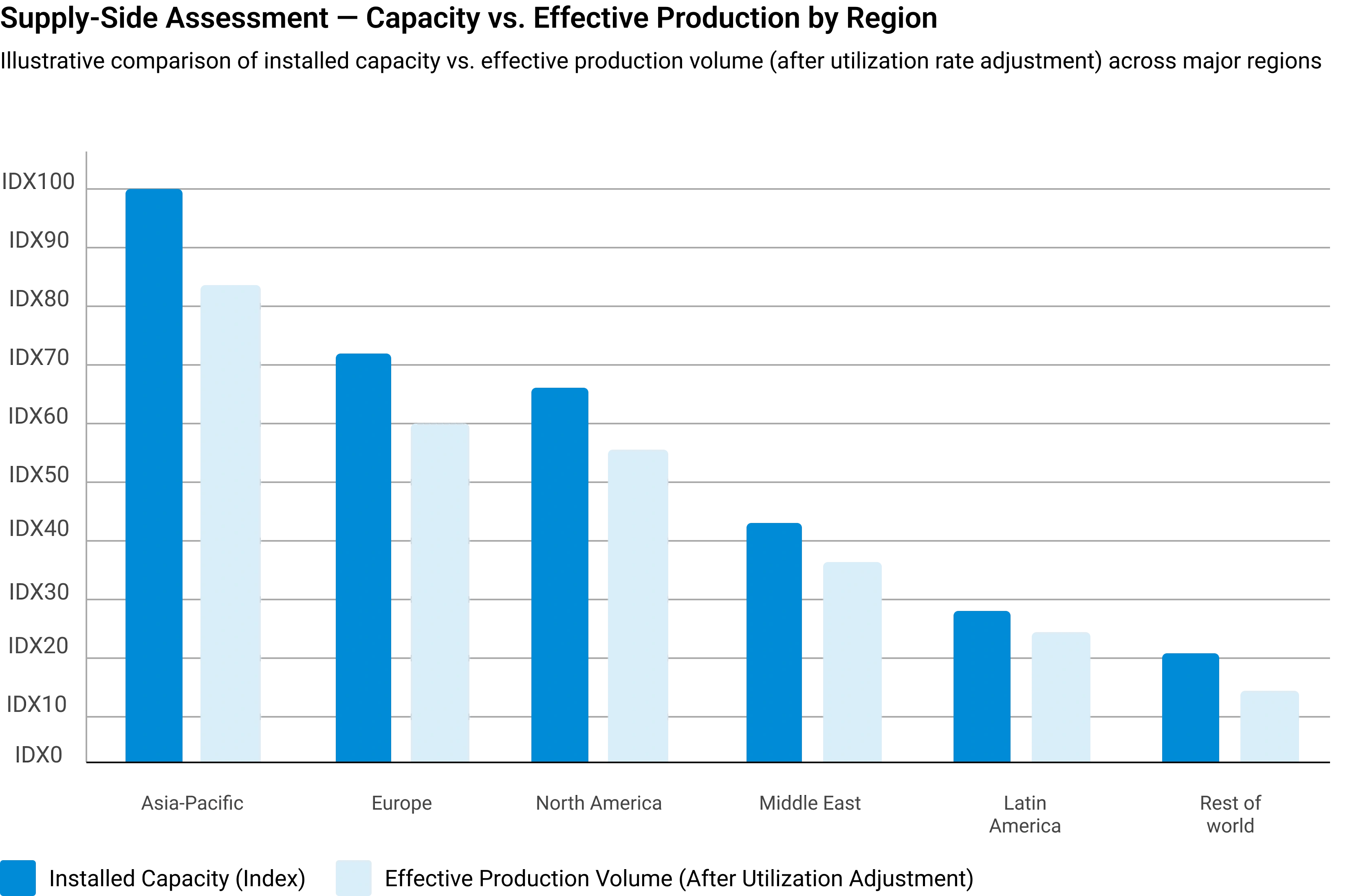
All major manufacturers are assessed for existing installed capacity, planned additions, expansions, new plant announcements, and technology adoption — mapped at global, regional, and country levels.
Capacity Utilization Adjustment
Installed capacity is adjusted using utilization rates based on demand conditions, feedstock availability, plant operating rates, maintenance schedules, and regulatory restrictions.
Manufacturer Revenue Analysis
Product-specific revenues, segment-level performance, regional distribution, average selling prices, and margin trends are evaluated to establish market value estimates.
Supply-Side Assessment — Capacity vs. Effective Production by Region
Illustrative comparison of installed capacity vs. effective production volume (after utilization rate adjustment) across major regions
Phase 3 — Demand-Side Assessment: Quantifying Chemical Consumption
Demand-side analysis quantifies chemical consumption across industries, applications, and geographies — identifying where and how chemicals are consumed throughout the value chain with precision.
End-Use Industry Analysis
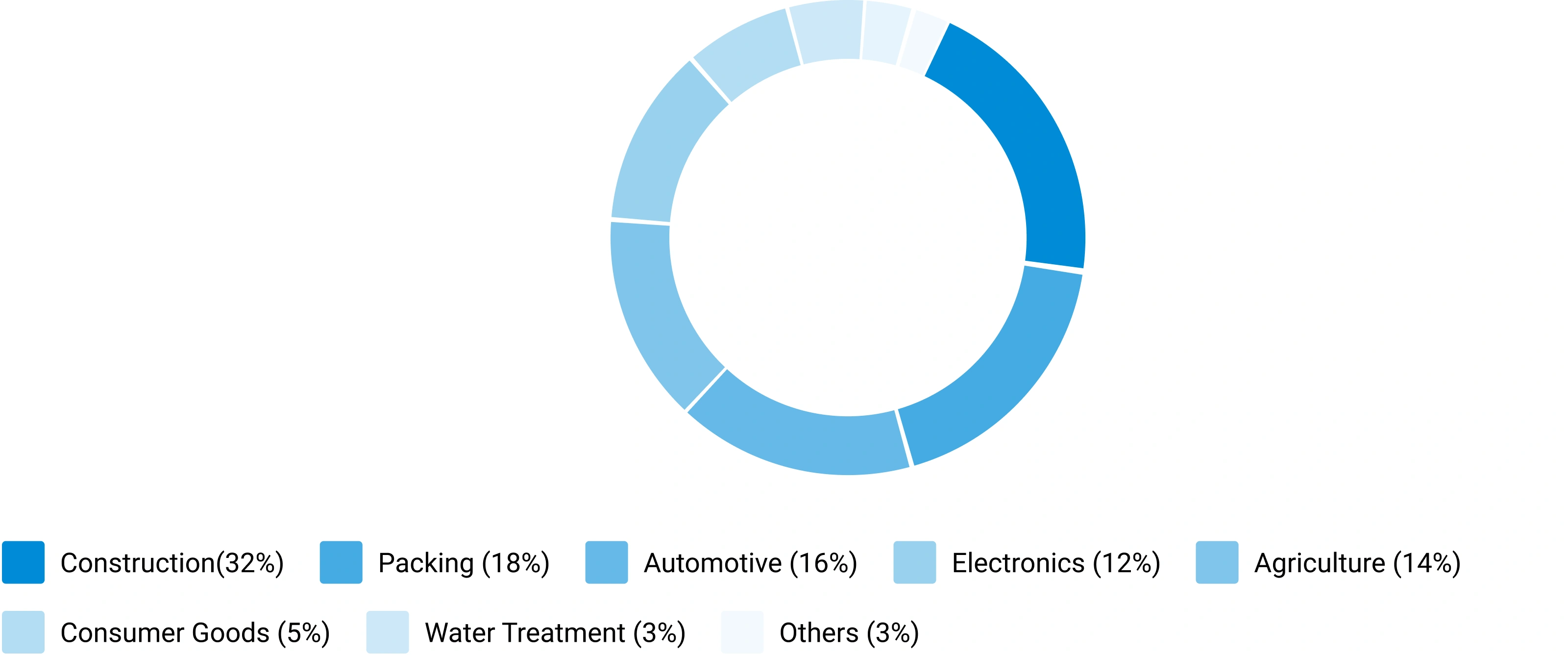
Chemical demand is evaluated across automotive, construction, packaging, electronics, agriculture, healthcare, consumer goods, industrial manufacturing, energy and utilities, and water treatment. Industry output, production trends, and consumption intensity are analyzed to determine demand patterns.
Consumption Modeling
Demand is estimated using measurable indicators: kilograms per vehicle, kilograms per square meter of construction, dosage per cubic meter of water treated, kilograms per hectare of agricultural land, and kilograms per ton of manufactured products. Consumption factors are validated through industry publications and primary interviews.
Application Analysis
The market is segmented by application area to understand product performance requirements, formulation trends, technology adoption, customer preferences, and regulatory requirements improving demand accuracy and segmentation granularity.
Demand-Side Assessment — End-Use Industry Demand Distribution
Illustrative distribution of chemical & materials demand across key end-use industries
Phase 4 - Trade Flow Analysis: Balancing Regional Supply and Demand
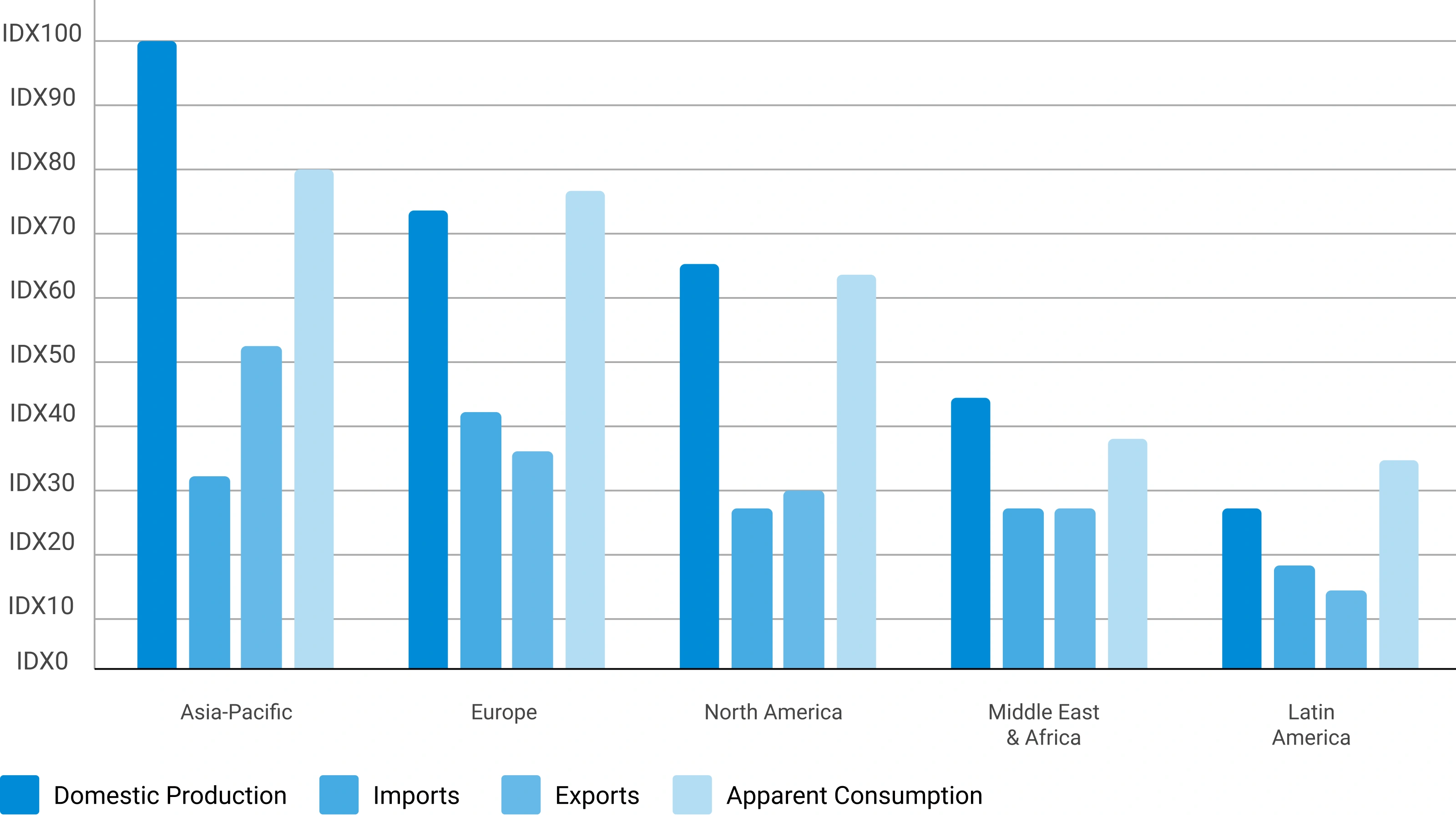
Trade flow analysis reconciles regional supply and demand estimates through import and export data, identifying net supply positions, regional dependencies, and market imbalances. It serves as an independent validation layer that tests the consistency of supply-side and demand-side estimates.
Import Analysis
Import data is evaluated to determine volumes, source countries, product dependency, regional supply gaps, and pricing trends — identifying markets that rely heavily on external supply and where domestic production is insufficient to meet demand.
Export Analysis
Export assessments reveal production surplus, export competitiveness, regional manufacturing strength, and global market participation. Export patterns also help validate domestic production estimates and identify net exporting regions.
Apparent Consumption Model
Regional consumption is assessed using the standard apparent consumption formula:
Results identify net importing regions, net exporting regions, regional deficits, and surpluses — serving as an independent validation of supply and demand estimates.
Trade Flow Analysis — Net Supply Position by Region
Illustrative apparent consumption vs. domestic production across major regions — positive gap indicates net import dependency
Phase 5 — Primary Research: The Critical Validation Layer
Primary research tests and refines findings from secondary research through direct engagement with industry participants across the supply chain, demand side, and expert community. It captures intelligence that no database or published report can provide — the real-world experience of manufacturers, buyers, and specialists operating in the market.

Supply-Side Interviews
Conversations with chemical manufacturers, raw material suppliers, contract manufacturers, technology providers, and plant operators cover production trends, capacity utilization, pricing developments, technology shifts, and competitive dynamics.

Demand-Side Interviews
Engagement with OEMs, industrial consumers, procurement managers, distributors, formulators, and end-use manufacturers focuses on consumption trends, purchasing behavior, product substitution, demand outlook, and emerging applications.

Industry Expert Consultations
Additional interviews with industry consultants, independent experts, regulatory specialists, technical professionals, and research institutions provide deeper market context and validate key analytical assumptions.
Focus Areas of Primary Research:
Market Size & Forecast Validation
Revenue estimates, volume consumption, growth rates, forecast assumptions, regional demand.Supply Chain & Value Chain Assessment
Raw material sourcing, supply chain challenges, distribution networks, procurement practices.Production & Capacity Analysis
Manufacturing capacity, utilization rates, expansion projects, plant investments.Pricing & Cost Structure Analysis
Product pricing trends, feedstock costs, energy costs, margin pressures, pricing outlook.Competitive Landscape Assessment
Volume and value estimates confirmed to be fully consistent with one another before publicationInterview Volume by Market Scope
| Study Scope | Number of Interviews |
|---|---|
| Niche Market | 20 – 30 |
| Mid-Sized Market | 30 – 50 |
| Global Market | 50 – 80 |
| Highly Fragmented Market | 80 – 120 |
Interview Details:
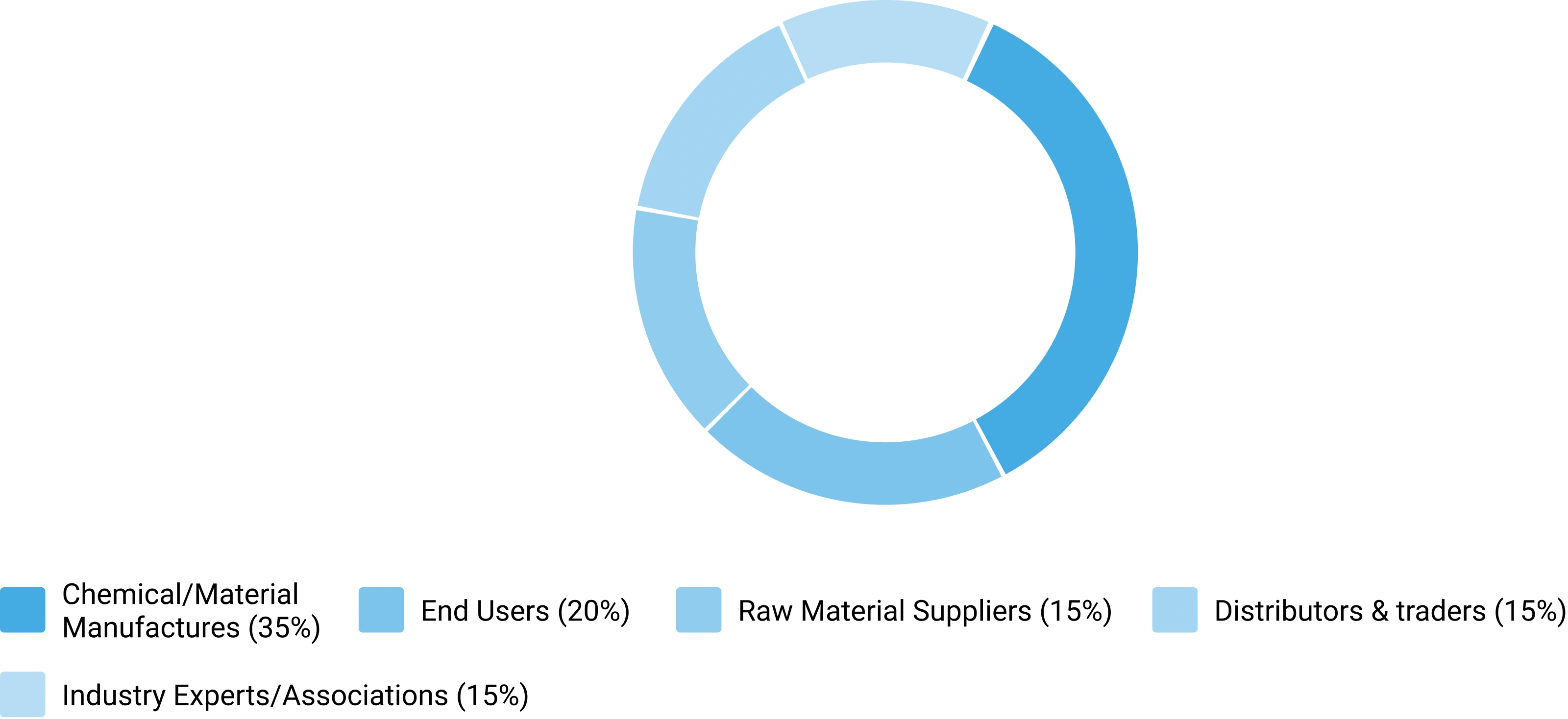
Category : Manufacturers, Suppliers, Distributors, End Users, Experts/Associations
Average Duration : 30–60 Minutes
Interview Mode : Video calls, telephonic interviews, expert consultations
Interview Format : Structured / Semi-Structured questionnaire
Focus Areas of Primary Research:
Market Size & Forecast Validation :
Revenue estimates, volume consumption, growth rates, forecast assumptions, regional demand.
Supply Chain & Value Chain Assessment :
Raw material sourcing, supply chain challenges, distribution networks, procurement practices.
Production & Capacity Analysis :
Manufacturing capacity, utilization rates, expansion projects, plant investments.
Pricing & Cost Structure Analysis :
Product pricing trends, feedstock costs, energy costs, margin pressures, pricing outlook.
Competitive Landscape Assessment :
Market share, competitor positioning, strategic initiatives, partnerships, acquisitions.
Primary Research — Stakeholder Coverage by Category
Distribution of interview respondents across stakeholder categories (% share from PPT data)
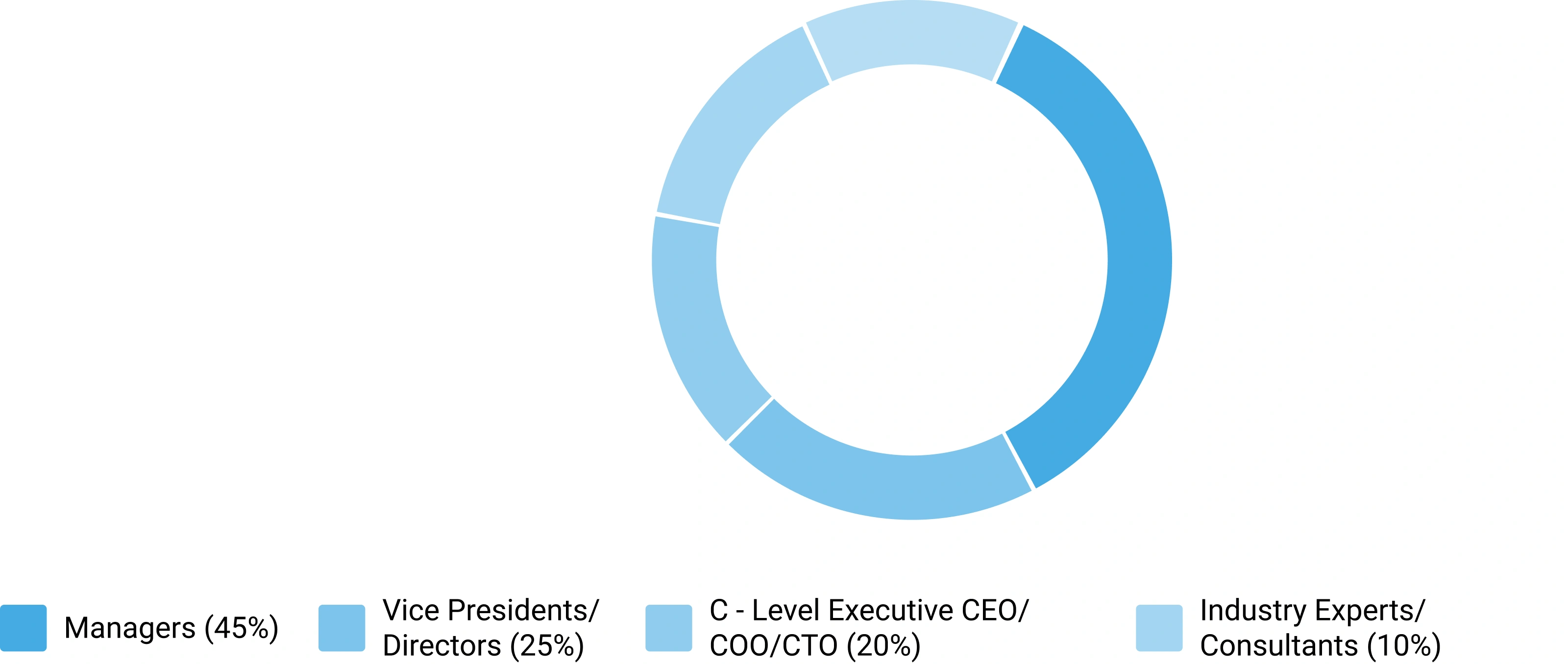
Primary Research — Respondent Designation Profile
Seniority breakdown of interview respondents (% share from PPT data)
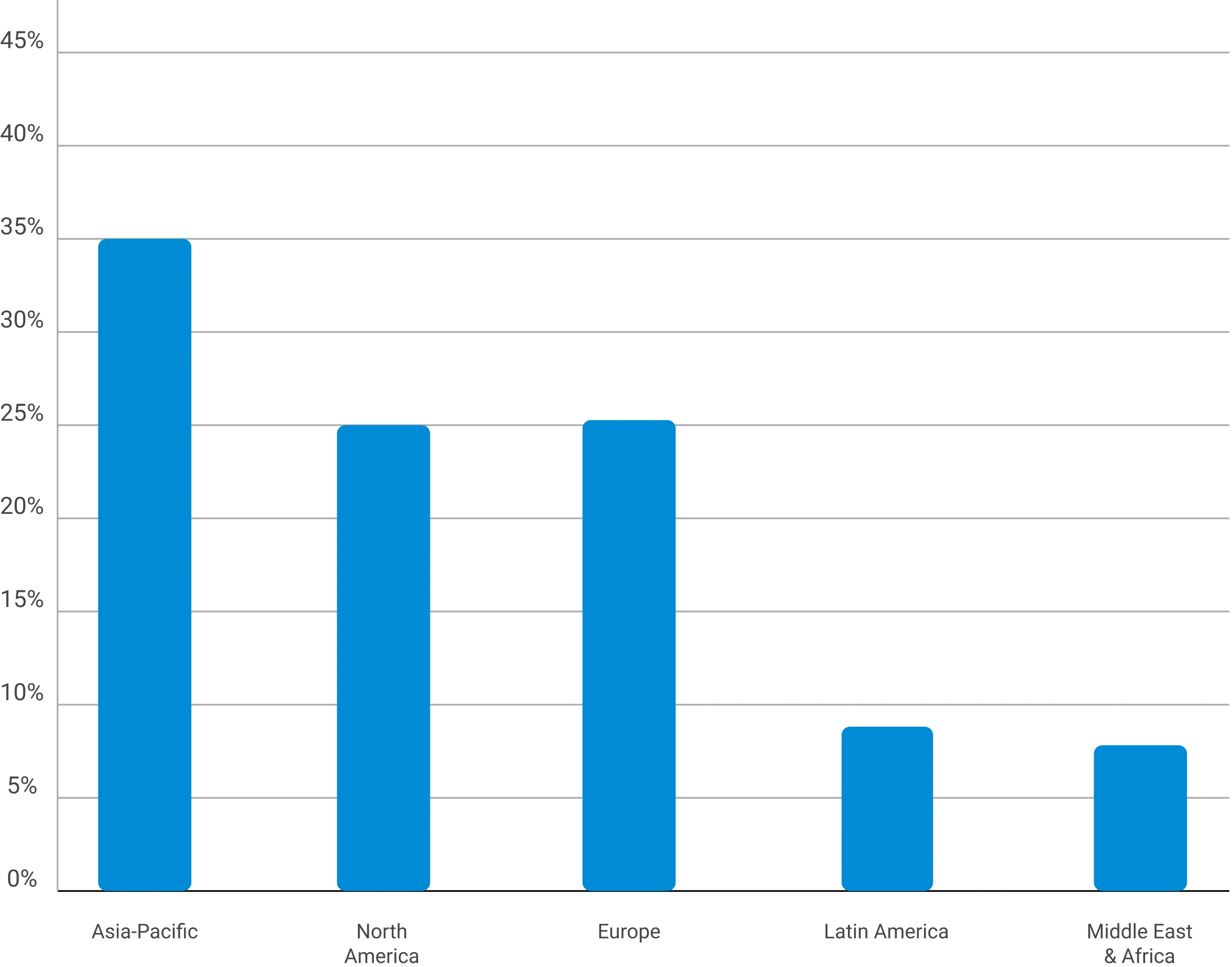
Primary Research — Geographic Coverage of Interviews
Regional distribution of primary research engagement (% share from PPT data)
Phase 6 — Data Triangulation and Market Validation
No single methodology is relied upon in isolation. Multiple independent estimation approaches are combined and reconciled to ensure consistency, accuracy, and analytical defensibility. Any material deviations between approaches are investigated and adjusted through additional validation cycles.
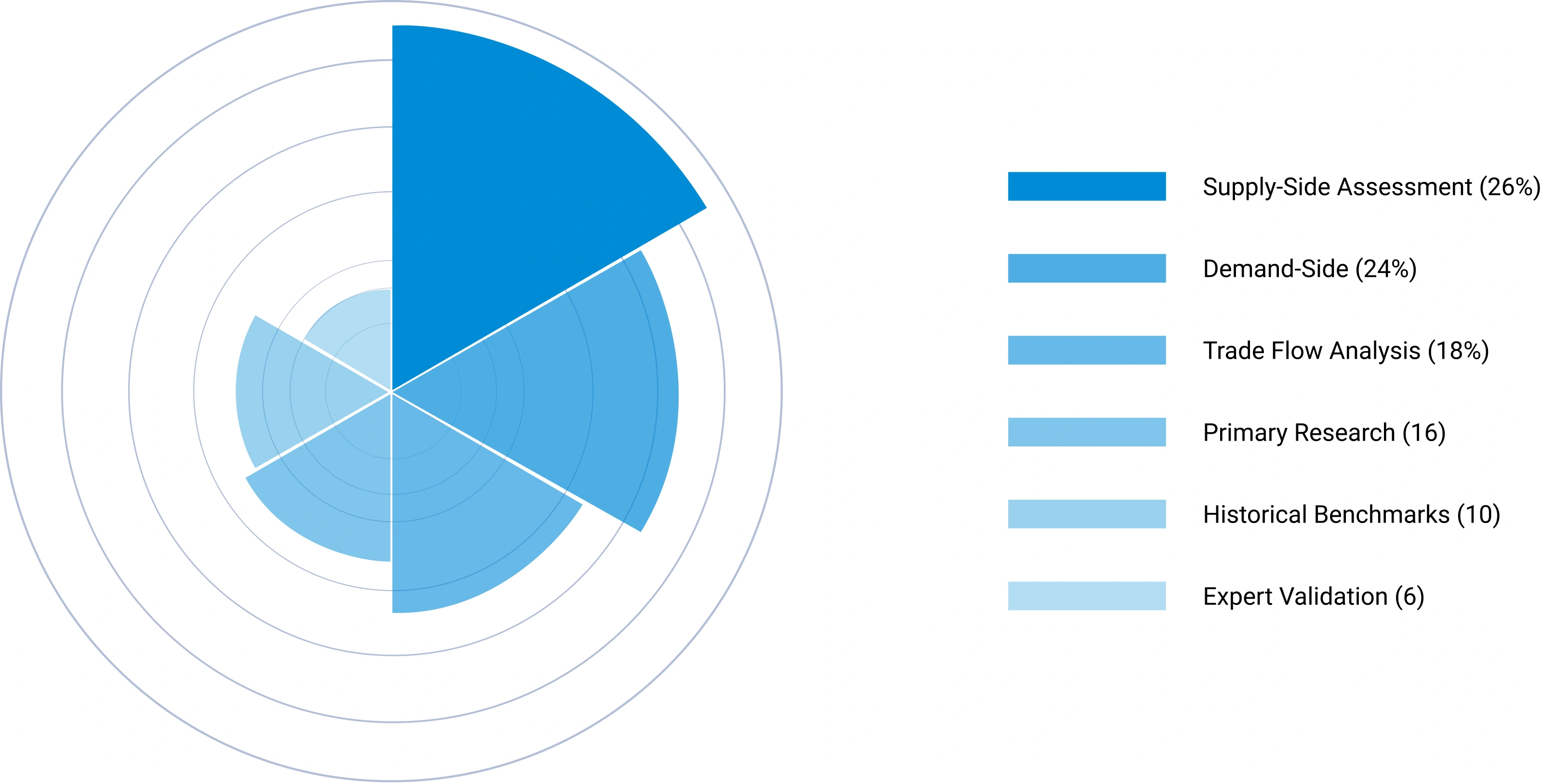
The final market size is derived through weighted triangulation of all validated methodologies. Any material deviations between approaches are investigated and adjusted through additional validation cycles. The outcome represents the most realistic assessment of the market based on available evidence and expert confirmation ensuring that volume and value estimates are fully consistent with one another.
Triangulation Framework — Input Contribution Weight
Relative weight each sizing input contributes to the final reconciled market estimate
Phase 7 — Forecast Modeling: Projecting Future Market Evolution
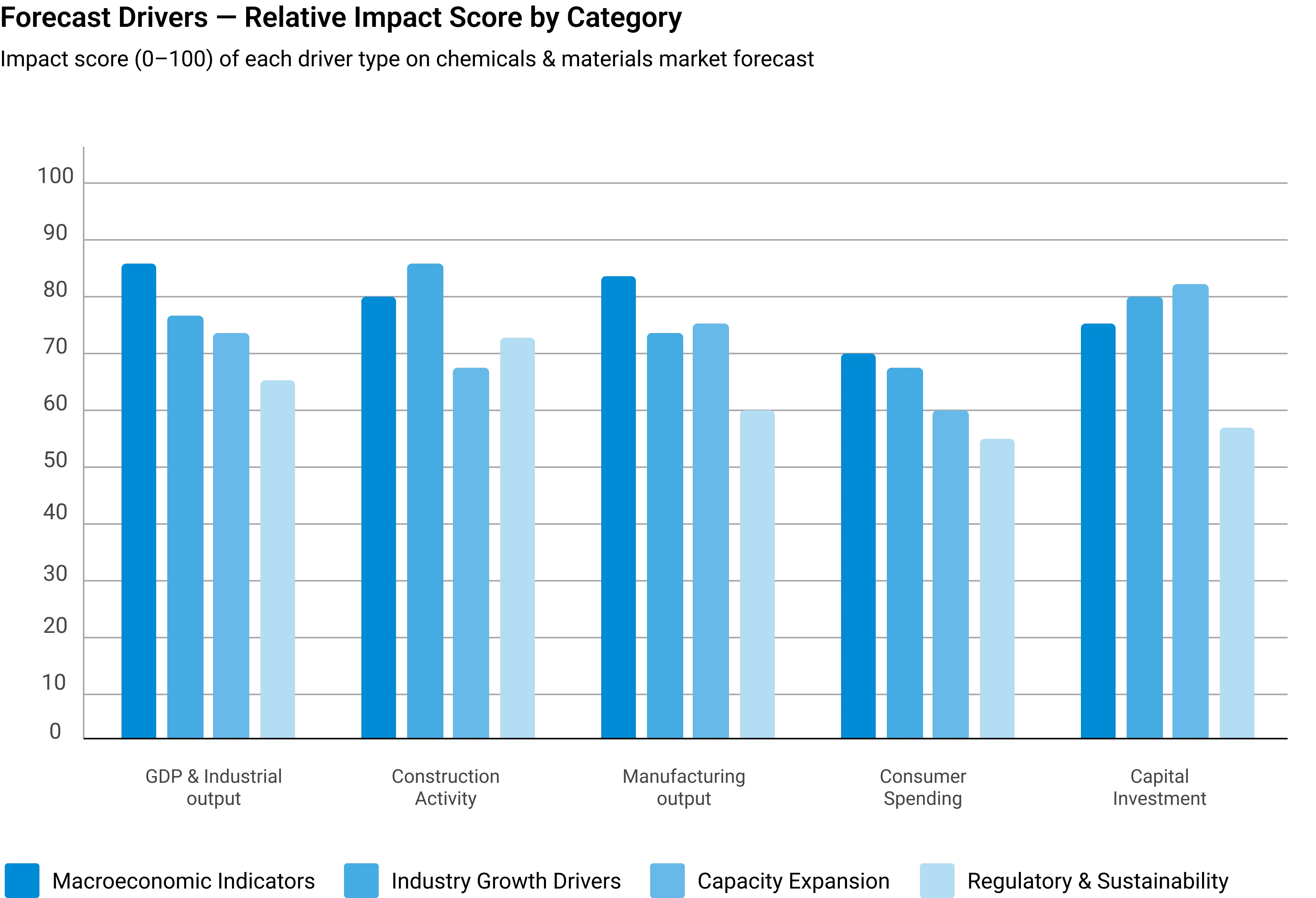
Forecasting evaluates the future trajectory of the market using a combination of quantitative indicators and qualitative assessments across economic, industry, and regulatory dimensions. Rather than simple extrapolation, each driver is independently modeled and integrated into a composite forecast.
Macroeconomic Indicators
GDP growth, industrial production, manufacturing output, construction activity, consumer spending, and capital investment form the quantitative foundation of long-term demand projections. These are applied at country, regional, and global levels.
Industry Growth Drivers
Urbanization, infrastructure development, industrialization, technological innovation, sustainability initiatives, and evolving product performance requirements are assessed at regional and industry levels — capturing both structural and cyclical demand drivers.
Capacity Expansion Analysis
Announced plant expansions, new manufacturing facilities, technology upgrades, and strategic investments are evaluated to determine future supply-demand dynamics and potential market tightness or oversupply situations.
Regulatory & Sustainability
Environmental regulations, chemical safety standards, emission reduction targets, circular economy initiatives, and sustainability requirements are incorporated as they often influence product adoption rates and market growth trajectories.
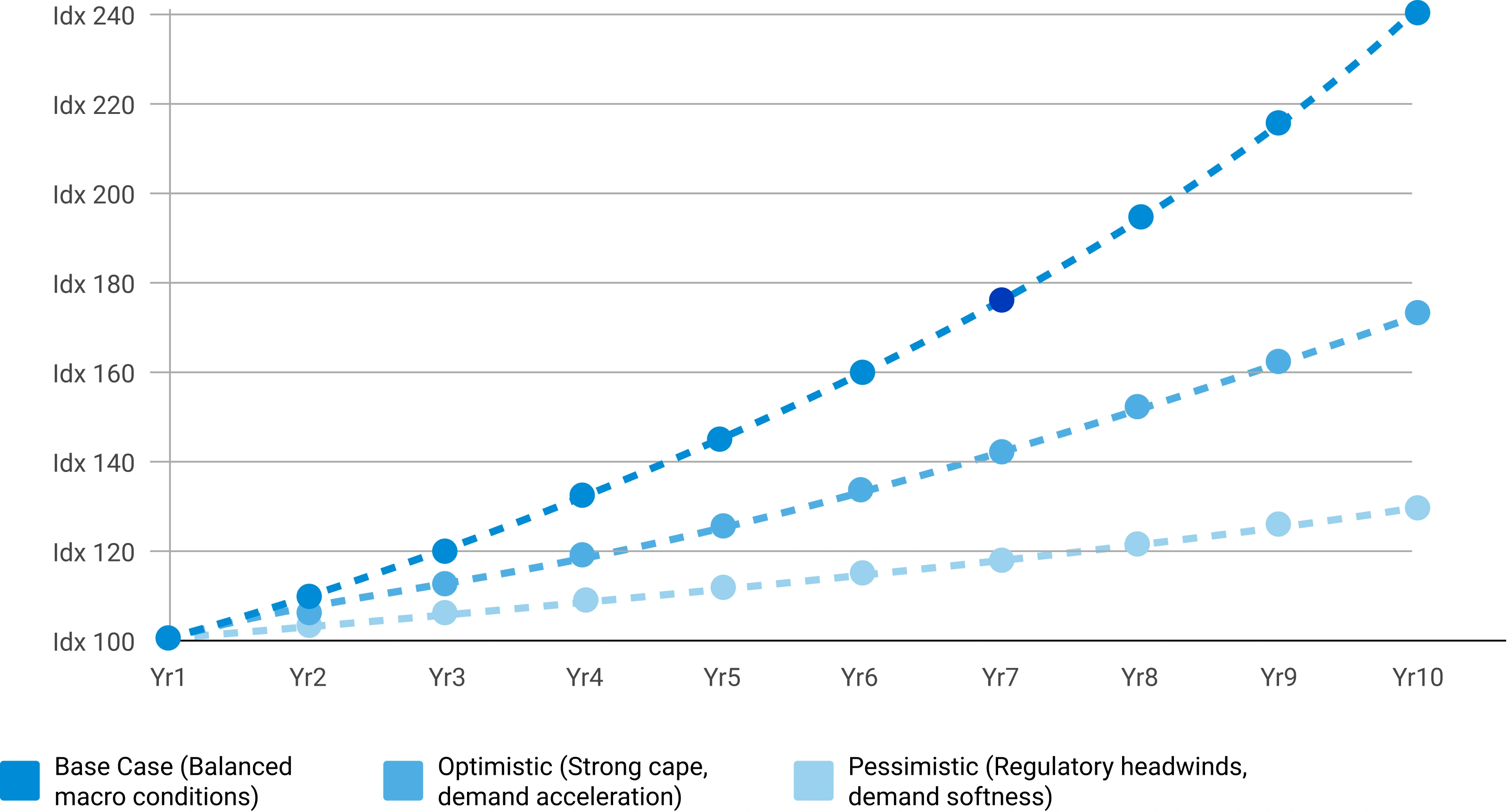
Scenario Forecast Range — Indexed Market Growth (Year 1–10)
Illustrative indexed growth trajectories across Base, Optimistic, and Pessimistic scenarios over a 10-year forecast horizon
Forecast Drivers — Relative Impact Score by Category
Impact score (0–100) of each driver type on chemicals & materials market forecast



Comments
Share your thoughts, ask a question, or provide feedback about this report.