
What is the Copper Fungicides Market Size and Share?
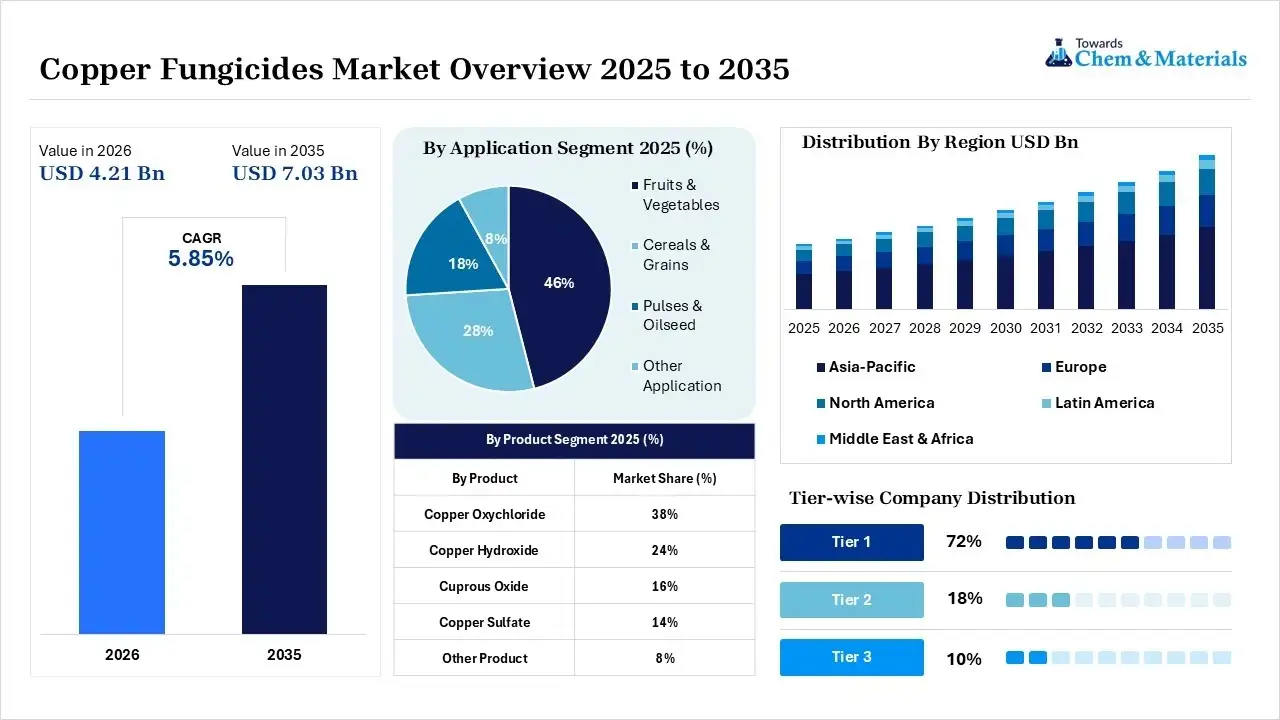
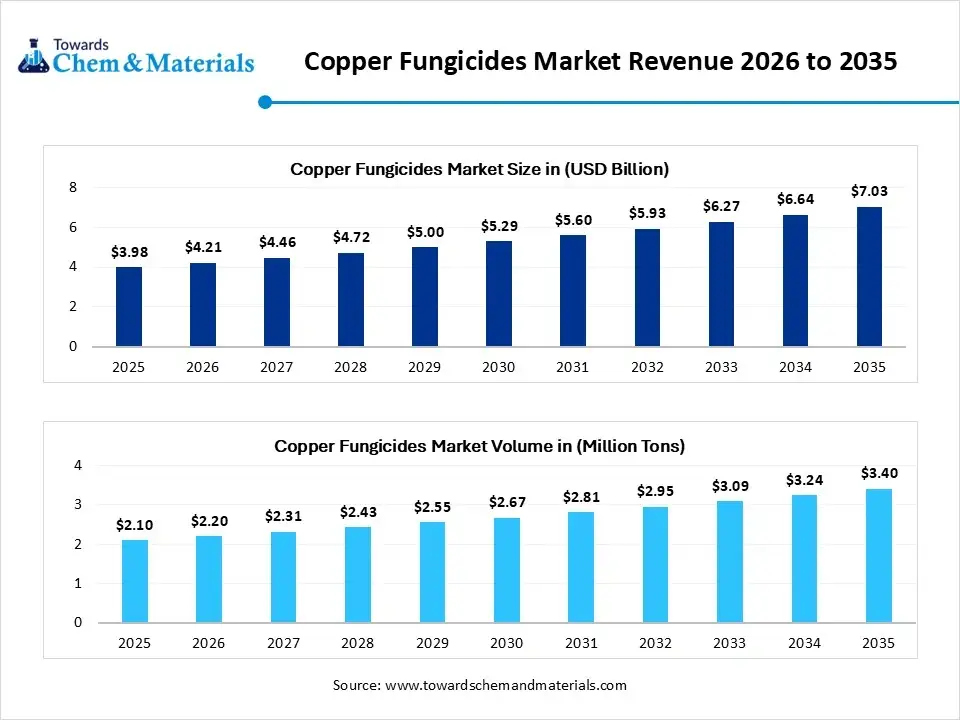
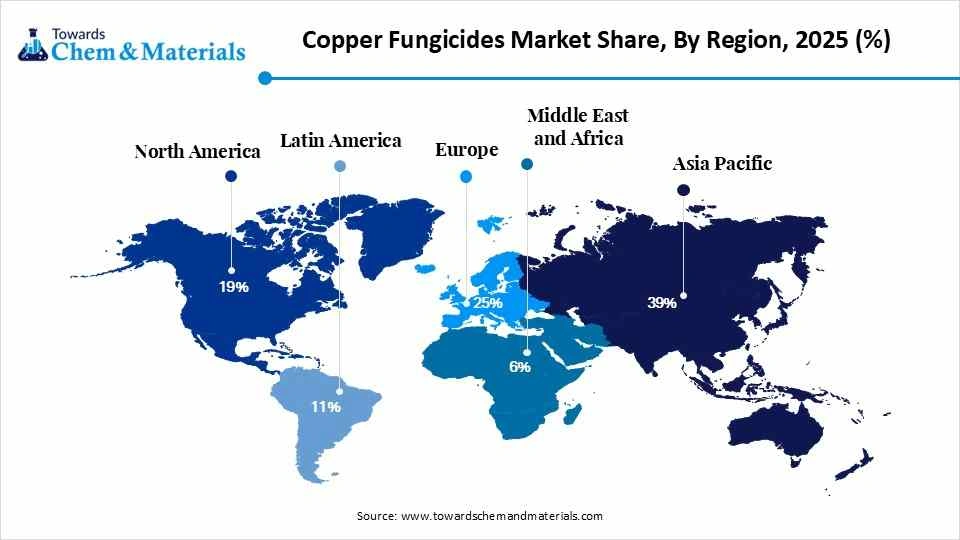
The copper fungicides market size was valued at USD 3.98 billion in 2025, is estimated to reach USD 4.21 billion in 2026, and is projected to reach USD 7.03 billion by 2035, exhibiting a compound annual growth rate (CAGR) of 5.85% over the forecast period from 2026 to 2035.Asia Pacific dominated the copper fungicides market with the largest revenue share of 39.00% in 2025 and is expected to grow at the fastest CAGR of 6.02% during the forecast period. In terms of volume, the copper fungicides market is projected to grow from 2.10 million tons in 2025 to 3.40 million tons by 2035. growing at a CAGR of 4.95% from 2026 to 2035.The growing frequency of fungal diseases due to changing climate conditions, the growing trend towards organic farming, increasing regulations on the use of synthetic fungicides and the constant improvement of low Cu high efficacy products are driving growth in the copper fungicides marketplace. In addition to this, investments in sustainable farming practices and integrated pest management are increasing, further bolstering market growth in the long run.
Market Highlights
- By region, Asia Pacific dominated the copper fungicides market by holding 39% share in 2025, driven by rising demand for fruit and vegetable production which in turn increases fungicide consumption.
- North America held 19% market share in 2025 and is projected to grow at a CAGR of 5.56% from 2026 to 2035.
- By product, copper oxychloride segment dominated the market with the largest share of 38% in 2025 as delivers cost-effective broad-spectrum protection.
- By product, the copper hydroxide segment held 24% market share in 2025 and is expected to grow at the fastest CAGR of 6.6% over the forecast period due to expansion of precision agriculture accelerates usage.
- By application, the fruits & vegetables segment dominated the market with the largest share of 46% in 2025, as rising production of export-quality fruits drives consumption.
- By application, the pulses & oilseed segment held 18% market share in 2025 and is expected to grow at the fastest CAGR of 6.5% over the forecast period, driven by expansion of oilseed cultivation that raises fungicide requirements.
Growing demand for good disease management in fruits, vegetables, cereals and horticultural crops is driving steady growth of the copper fungicides market. Since global demand for organic produce has grown, the use of copper-based fungicides has increased; these are one of the few currently approved crop protection products in organic agriculture. Increased incidence of fungal disease outbreaks due to climate change has promoted the practice of disease management in a preventive manner across the globe.
Many manufacturers are developing products with micronized formulations, nano-copper technologies and reduced metallic copper products to maximize effectiveness whilst minimising environmental impact. The use of copper fungicides in Integrated Pest Management (IPM) systems and the development of AI-driven disease forecasting platforms are another aspect of how planting methods are changing.
- For instance, BioWorks introduced Sandrine™ Copper Soap, a liquid copper soap fungicide offering broad-spectrum disease control of both fungal and bacterial diseases. The formulation contains soluble copper, fatty acids to increase leaf coverage, reduce copper use, minimize residue, and is safe to use on copper-sensitive crops.(Source: greenhousemag.com)
Global Investment Movement for Copper Fungicides Market
The leading agrochemical companies are investing more in R&D to formulate fungicides that are low copper, nano and biologically integrated & meet changing environmental regulations while being more efficient in disease control and agro-environmental sustainability worldwide.
Manufacturers are ramping up production capacities and developing distribution networks in emerging agricultural markets such as Asia Pacific and Latin America to respond to the demand for copper fungicides, including that for organic crop farming.
Agrochemical firms, research centers, and digital agriculture technology firms are reaching out to each other to invest in precision agriculture, AI-driven disease management, and new fungicide technologies to boost yields and decrease environmental damage.
Copper Fungicides Market Trends
- Regulatory Shift Driving Sustainable Copper Usage:With the growing environmental regulations, especially in Europe, manufacturers are creating low copper products that meet new application restrictions. These are designed to encourage sustainable disease management practices, to minimise the build-up of copper in the soil and to ensure sustainable agricultural production.
- Advanced Formulations Replacing Conventional Products:The use of suspension concentrates (SC) and water dispersible granules (WDG) are gaining popularity among farmers, in preference to wettable powders. These high-quality formulations are more efficient in crop protection operations, due to improved handling safety, reduced dust emission, increased leaf coverage and storage stability.
- Growing Preference for High-Performance Copper Compounds:Copper hydroxide remains the dominant product due to its high level of activity against a wide range of pests and high crop compatibility, and basic copper carbonate is becoming more popular in organic horticulture as it has less phytotoxicity and better environmental values, thereby promoting sustainable agriculture.
- Copper Fungicides and Biological Alternatives:Copper fungicides are being used in conjunction with biopesticides by manufacturers to improve control of disease and reduce the use of metallic copper. These solutions are hybrid, which enhances sustainability, mitigates environmental risks and fit into modern agriculture production systems' integrated pest management programmes.
AI-Powered Precision Agriculture Transforming Copper Fungicide Applications
AI is transforming the copper fungicides market by providing the ability to precisely manage diseases, increase application efficiency, and speed up product innovation. Satellite data and drones combined with weather, soil health, and crop data are used to forecast fungal disease outbreaks before they occur, thanks to AI-powered platforms. In this way, farmers can use copper fungicides only when necessary, decreasing the amount of chemical use and production costs, and increasing yields.
AI can also help to discover new combinations quickly by virtually screening them, which helps lower the R&D time. Furthermore, computer vision based mobile apps are capable of diagnosing diseases in real-time and offering crop-specific recommendations for treatment that allow growers to make quicker decisions based on data, and help promote sustainable, environmentally friendly farming.
Supply Chain Analysis of the Copper Fungicides Market
- Raw Material Procurement:This stage includes procurement of metallic copper, sulphuric acid, lime and other chemical intermediates needed to produce copper fungicides. With stable copper mining operations and efficient copper sourcing networks worldwide, raw material availability is assured.
- Albaugh LLC: Has an extensive international sourcing network so that it can obtain high quality raw materials of copper at reasonable prices, which is important for large-scale production at an affordable price.
- Other Key Players: UPL Ltd., Nufarm Limited, Nordox AS, Cosaco GmbH
- Active Ingredient Manufacturing:Copper hydroxide, copper oxychloride, copper sulfate, cuprous oxide and other effective components are produced by chemical synthesis of raw materials by means of precipitation, oxidation and electrochemical processing.
- Nordox AS: Acompany that specializes in the manufacture of highly pure micronized cuprous oxide formulations having a better uniformity in the particle size and enhanced biological efficacy.
- Other Key Players: Cinkarna Celje, IQV Agro, Quimetal, Isagro S.p.A.
- Formulation & Product Development:Wettable powder, suspension concentrates, water dispersible granules or liquid formulations with different concentration of active ingredients are prepared by adding active ingredients to a combination of surfactants, dispersants, stabilizers, and carriers with the addition of water.
- UPL Limited: Research and develop advanced Copper formulation that not only helps in disease control, it also helps to minimize phytotoxicity and environmental impact.
- Other Key Players: Bayer AG, ADAMA Ltd., Certis USA L.L.C., Corteva Agriscience
- Regulatory Affairs & Commercialization:The products are quality-tested, field validated, packaged, subjected to regulatory approval and sold to agrochemical dealers, cooperatives, distributors, and digital agricultural platforms.Bayer AG has a strict quality assurance and regulatory control system and has a wide distribution network and a long and successful history of commercialisation in various regions of the world.
- Other Key Players: FMC Corporation, Syngenta Group, Nufarm Limited and Certis USA L.L.C.
Regulatory Framework: Copper Fungicides Market
| Region | Key Regulation(s) | Focus Area |
| Asia Pacific | CIBRC (India), ICAMA (China), Agricultural Chemicals Regulation Law (Japan) | Registration, residue limits, efficacy & environmental safety |
| North America | FIFRA (U.S.), Pest Control Products Act (Canada) | Approval, labeling, residue limits, environmental risk |
| European Union | EC No. 1107/2009 & EC No. 396/2005 | Active substance approval, MRLs, sustainable use |
Copper Fungicides Market Dynamics
Driver:
Organic Farming Expansion Strengthening Copper Fungicide Adoption
Copper fungicides are one of the few fungicidal products approved for certified organic agriculture and their use is highly increased with the fast growing demand for organically produced food around the world. Consumer demand for residue free fruits, vegetables, and specialty crops, has driven growers to seek solutions to disease management that are environmentally sustainable. Furthermore, the greater adoption of high value horticultural crops and the reduced use of synthetic fungicides are continuing to drive the relevance of copper based formulations in today's crop protection programmes.
Restraint
Environmental Regulations Limiting Copper Application Rates
The accumulation of copper in agricultural soils has been a growing concern and has led to tighter regulations on the amount of copper which can be used on soils annually. In many parts of Europe the rules for limiting heavy metal residues have limited the re-use of copper and promoted alternative disease management strategies. Failing to meet new environmental regulations adds costs for manufacturers and reduces product use, which poses a challenge for new product growth in highly regulated agricultural areas.
Opportunity
Sustainable Formulation Innovations Unlocking Future Growth
Because sustainable agriculture is becoming more salient, there are new opportunities for manufacturers to create next generation copper fungicides that have lower levels of metallic copper and better biological efficacy. Combination of copper with biopesticides, nano formulations and controlled release technology assist in boosted disease control, with reduced environmental impact. Further commercialisation potential in precision agriculture, digital disease forecasting and integrated pest management programmes make for advanced copper fungicide formulations a valuable tool to global farming systems.
Segmental Insights
Product Insights
The copper oxychloride segment dominated the market with the largest share of 38% in 2025, because it has a wide range of activity against various fungal and bacterial diseases of fruits, vegetables, and plantation crops. It is cost effective and highly protective, as well as being compatible with a wide range of climatic conditions, thus it is a grower favorite. It is a product that is widely used in large-scale commercial farming as it offers an effective disease control with low production costs. The high demand from horticulture and orchard production further strengthens its predominant market position in the world.
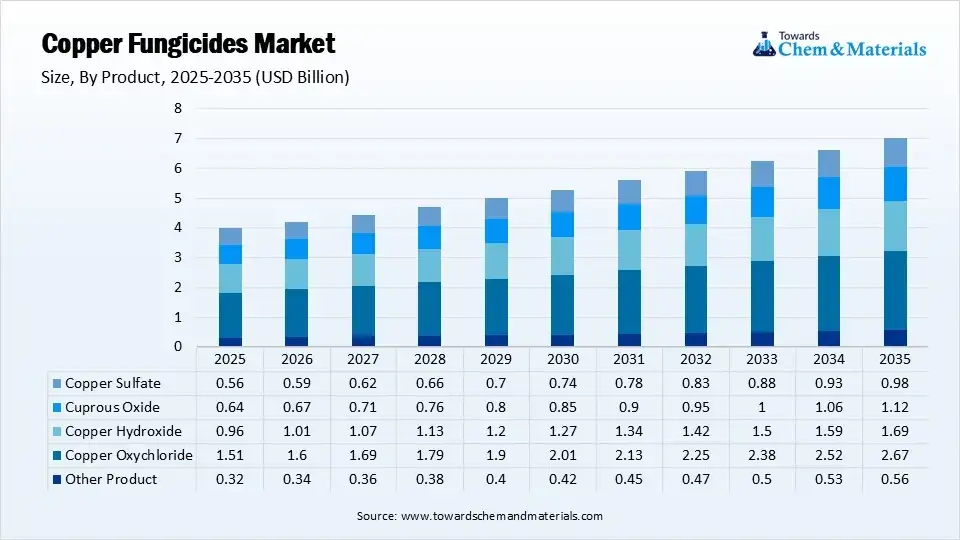 The copper hydroxide segment held the 24% market share in 2025 and is expected to grow at the fastest CAGR of 6.6% over the forecast period, because it is so well-adhesive and its ability to provide improved disease control in the fields, it is becoming more widely favored in high-value horticultural, orchard and vineyard crops. Copper hydroxide formulations are now emerging on the market in both developed and emerging agriculture due to the potential for precision agriculture and the need for crop protection products that are environmentally friendly.
Application Insights
The fruits & vegetables segment dominated the market with the largest share of 46% in 2025, because the fruits and vegetables are sensitive to fungal and bacterial diseases throughout the growing season. Crop quality, yield and post harvest losses can be avoided, improved and maintained by regular preventive fungicides applications. There has been continued robust demand for copper fungicides in this segment, as it is used to control diseases in growing fresh produce for export, and as greenhouse culture expands and sustainable disease management practices gain acceptance. The pulses & oilseed segment held the 18% market share in 2025 and is expected to grow at the fastest CAGR of 6.5% over the forecast period, owing to the rise in the area under cultivation and demand for disease-resistant and high-yielding pulses and oilseed crops. The increasing prevalence of fungal and bacterial diseases has stimulated the use of preventive crop protection measures, such as copper fungicides, designed to increase the productivity and quality of crops. Further, government initiatives for encouraging pulse and oilseed production, sustainable farming practices, and increased investments in the productivity of agriculture are likely to further drive the growth in this application area.
Regional Insights
How did the Asia Pacific Dominate the Copper Fungicides Market in 2025?
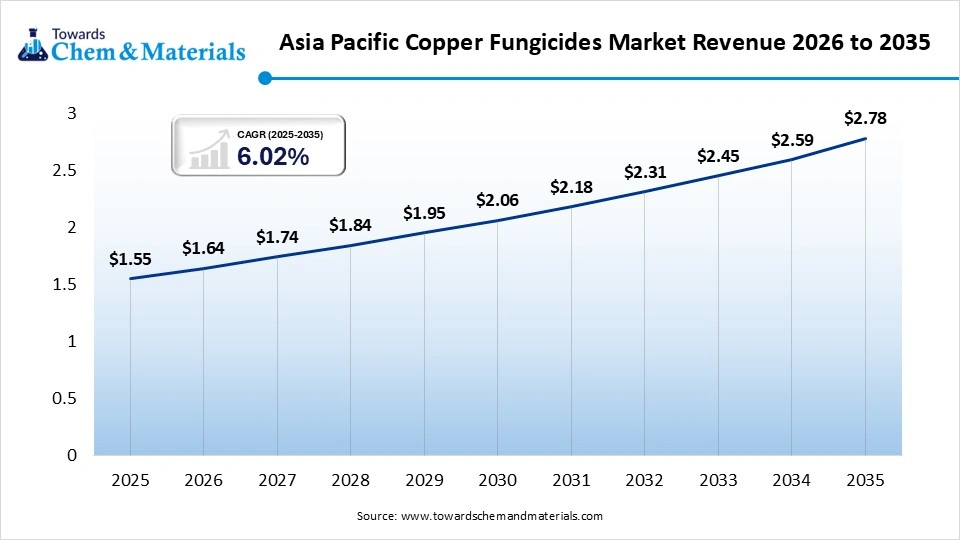
The Asia Pacific copper fungicides market size was estimated at USD 1.55 billion in 2025 and is projected to reach USD 2.78 billion by 2035, growing at a CAGR of 6.02% from 2026 to 2035.Asia Pacific dominated the market with the largest share of 39% in 2025, owing to the government support for sustainable crop protection, the growth of organic farming and the favorable climate conditions for fungal diseases, with the increasing agricultural production. The market continues to expand quickly in developing agricultural economies as the rate of modernization of fruit and vegetable cultivation continues to increase, while the awareness of integrated disease management is on the rise.
 China
China
- Fruits, vegetables, rice and cash crop cultivation projects make intensive use of preventive copper-based fungicides.
- Government programmes for sustainable farming drive the uptake of environmentally responsible crop protection products.
- Local manufacturers keep on increasing production capacities to cater to the growing demand in the region and for export.
India
- The market for approved copper formulations is sustainable in the long term because of the rapid growth of organic farming.
- The government provides subsidies and agricultural extension services and they promote better technologies for disease management used by farmers.
The North America copper fungicides market size was estimated at USD 0.78 billion in 2025 and is projected to reach USD 1.34 billion by 2035, growing at a CAGR of 5.56% from 2026 to 2035.North America held 19% market share in 2025 and is expected to grow at the fastest CAGR of 6.7% during the forecast period, with fruit production of high value, greater use of precision agriculture and strong quality standards for crops. Incorporating copper fungicides into a digital disease forecasting system and sustainable farming practices are helping to boost productivity and minimizing overuse of pesticides by farmers. On-going research investments help speed up the process of developing new formulations that can help to implement sustainable and high performing crop protection strategies.
United States
- A high proportion of grapes, citrus, almonds, tomatoes and vegetable crops are cultivated, contributing to the strong demand for products.
- Precision agriculture technologies help to increase application efficiency and decrease total amounts of chemicals used.
- Continuous investments in advanced crop protection technologies support formulation innovation.
Canada
- The greater the expansion of the greenhouse horticulture sector, the more the use of disease management solutions based on copper.
- Organic farming regulations are conducive for a higher use of permitted copper fungicides.
Agricultural research programs are strong that enable sustainable development of crop protection.
The Europe copper fungicides market size was estimated at USD 1.01 billion in 2025 and is projected to reach USD 1.76 billion by 2035, growing at a CAGR of 5.71% from 2026 to 2035.Europe held 25% market share in 2025, due to stringent environmental standards, sustainable farming practices and continuous product innovation. Efforts are ongoing to create reduced-copper formulations and biologically integrated fungicides to meet changing regulatory requirements and keep control levels the same. Organic fruit and vineyard farming maintains the European market demand for approved copper-based disease management solutions. Innovation is encouraged through strong regulation of environmentally-friendly fungicide formulations that have lower copper levels and higher crop safety.
Germany
- There's a range of advanced agricultural technologies that enable precision fungicide application methods.
- The formulations developed are enhanced by their strong research capabilities, which speed development of formulations that are environmentally friendly.
- Premium copper fungicides are used extensively in high value horticultural production to maintain demand.
France
- The need for copper-based disease control products is ongoing due to large scale vineyard cultivation.
- Building on the market growth of organic agriculture through expansion of organic vineyards.
- Regulatory focus fosters use of lower copper application technology.
The Latin America copper fungicides market size was estimated at USD 0.44 billion in 2025 and is projected to reach USD 0.81 billion by 2035, growing at a CAGR of 6.29% from 2026 to 2035.Latin America held 11% market share in 2025. Against the backdrop of an expanding commercial agriculture, increased export driven fruit production and crop disease management awareness, Latin America remains a strong market prospect. High pressure of fungal disease is due to favorable climatic conditions which increase the need for preventative fungicide applications. As investments in export-oriented agriculture increase, adoption of advanced fungicide technologies in order to get better crop protection and productivity is encouraged.
Brazil
- The consumption of fungicides is high due to large soybean, coffee, citrus and fruit cultivation.
- Increased commercial agriculture enables the use of modern crop protection technologies.
- Export standards are increasing, promoting preventive disease management.
Chile
- Large scale export of grapes and fruit leads to greater reliance on effective control of the fungal diseases.
- The use of copper fungicides is encouraged by the organic fruit culture.
- Efficient fungicide application with modern irrigation and orchard management.
The Middle East & Africa copper fungicides market size was estimated at USD 0.24 billion in 2025 and is projected to reach USD 0.46 billion by 2035, growing at a CAGR of 6.72% from 2026 to 2035.The Middle East & Africa held 6% market share in 2025, as more investment is going into commercial farming, protected farming & food security measures. Increased horticultural production and increased government support for sustainable agriculture have led to further growth opportunities for copper fungicide producers. As protected cultivation projects continue to grow, new solutions for sustainable disease management are emerging in agriculture. Governments across the region are encouraging adoption of modern crop protection technologies, due to rising initiatives to promote food security.
 Saudi Arabia
- The greenhouse environment further enhances the demand for preventative efforts to control fungal diseases.
- Governmental investments support modern agricultural production system.
- Integrated crop protection dovetails well with water efficient farming techniques.
South Africa
- Copper fungicides are still widely used in fruit and vineyard.
- Policies that promote export production foster the use of products for crop protection that are accepted internationally.
- Increasing awareness of sustainable farming helps to facilitate long-term market growth.
Competitive Analysis
The global copper fungicides market is moderately consolidated and driven by the competition among various multinational agrochemical companies on the basis of formulation innovations, product performances, regulatory compliance and wide distribution networks. Low copper technology, nano-formulations, biological integration and sustainable crop protection solutions are the technologies that leading companies are targeting to meet the increasingly stringent environmental regulations.
Strategic partnerships, mergers, expansion into new geographic areas and research and development spending remain as effective ways to enhance competitive positioning. AI-driven disease forecasting systems, precision spraying technologies, and digital agriculture platforms are also being integrated into the process, to enhance the efficiency of fungicide usage and reduce environmental effects.
Top Players in the Market & Their Offerings
| Company | Type/Position | Major Headquarters | Geographic Presence | Copper Fungicides Offerings | Key Offering/Strength |
| UPL Limited | Leading Agrochemical Company | Mumbai, India | Global | Copper oxychloride, copper hydroxide, crop protection fungicides | Extensive distribution network and diversified fungicide portfolio. |
| Bayer AG | Global Crop Protection Leader | Leverkusen, Germany | Global | Copper fungicides, integrated disease management solutions | Advanced R&D and digital farming capabilities. |
| BASF SE | Agricultural Solutions Provider | Ludwigshafen, Germany | Global | Copper-based fungicide formulations and crop protection products | Sustainable formulation innovation and strong research expertise. |
| Corteva Agriscience | Global Agricultural Company | Indianapolis, U.S. | Global | Fungicide portfolio, biological crop protection solutions | Integrated disease management and biological product expertise. |
Other Key Players
- Syngenta Group
- Nufarm Limited
- Albaugh, LLC
- FMC Corporation
- ADAMA Agricultural Solutions Ltd.
- Isagro S.p.A. (Gowan Company)
- Certis USA L.L.C.
- Nordox AS
- Sumitomo Chemical Co., Ltd.
- Cinkarna Celje d.d.
- Quimetal
- Cosaco GmbH
- Industrias Químicas del Vallés (IQV)
- Mitsui & Co., Ltd.
- Sipcam-Oxon Group
- Vimal Crop Care Pvt. Ltd.
Segment Covered in the Report
By Product
- Copper Oxychloride
- Copper Hydroxide
- Cuprous Oxide
- Copper Sulfate
- Other Product
- Copper Octanoate
- Tribasic Copper Sulfate
- Copper Soap Formulations
By Application
- Fruits & Vegetables
- Citrus
- Grapes
- Tomatoes
- Potatoes
- Leafy Vegetables
- Other Horticultural Crops
- Cereals & Grains
- Wheat
- Rice
- Corn
- Barley
- Oats
- Pulses & Oilseed
- Soybean
- Groundnut
- Chickpea
- Lentils
- Mustard
- Sunflower
- Other Application
- Ornamentals
- Plantation Crops
- Turf & Lawns
- Forestry
By Region
- North America
- Europe
- Asia Pacific
- Middle East & Africa
- Latin America
A Seven-Phase Framework
Our methodology is designed to be universally applicable across commodity chemicals, specialty chemicals, petrochemicals, construction chemicals, coatings, electronic chemicals, industrial gases, agrochemicals, water treatment chemicals, and performance materials. Each phase builds upon the last, creating a layered validation structure that minimizes estimation error and maximizes analytical confidence.
The framework ensures comprehensive market coverage, robust cross-validation, and reliable long-term forecasting — producing market estimates that withstand scrutiny from investors, regulators, and corporate strategy teams.

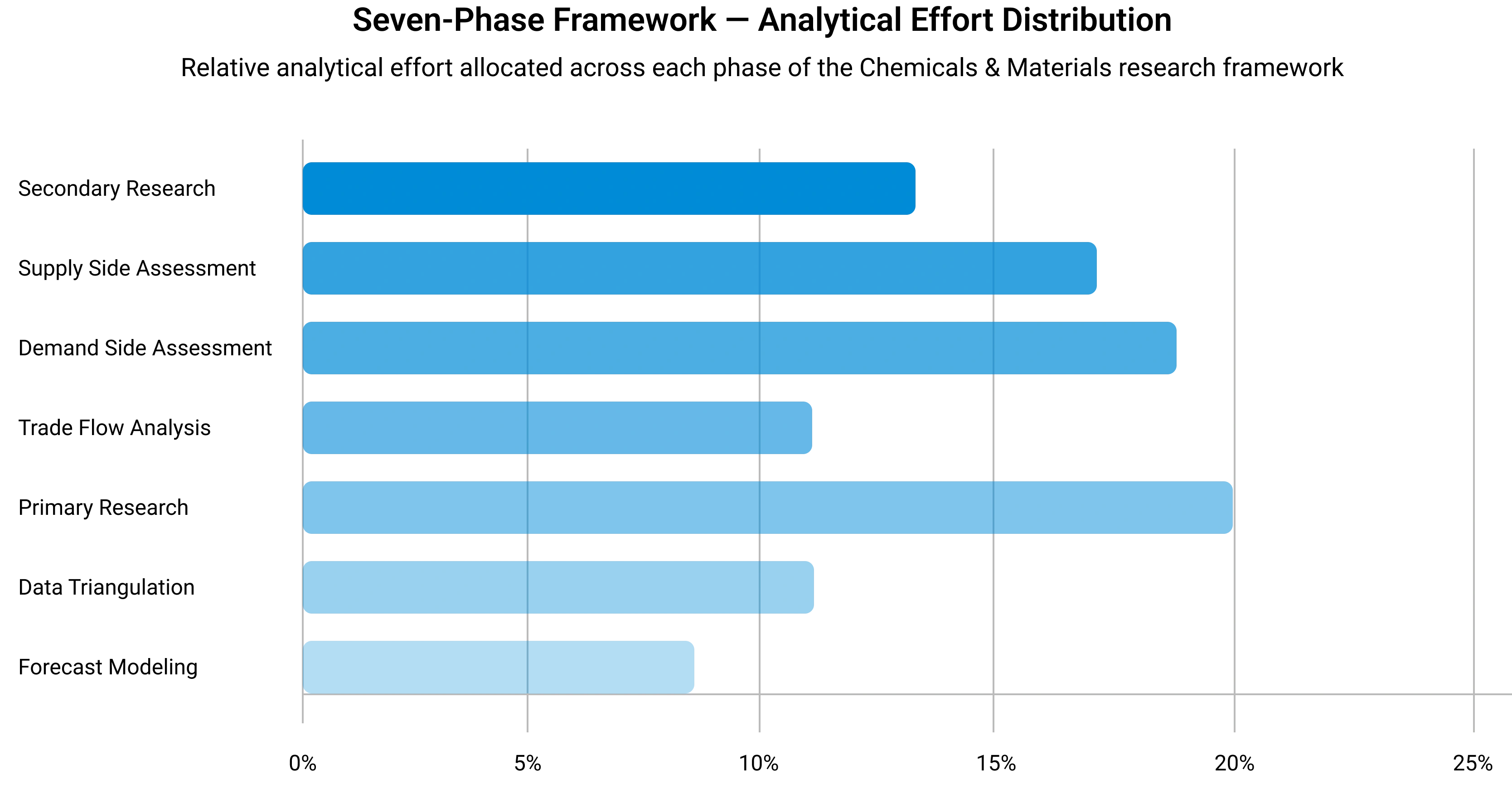
Seven-Phase Framework — Analytical Effort Distribution
Relative analytical effort allocated across each phase of the Chemicals & Materials research framework
Phase 1 - Secondary Research: Establishing the Foundation
Secondary research collects and evaluates publicly available information from authoritative sources, establishing the foundational understanding of market structure, value chain dynamics, competitive landscape, and end-use demand patterns. Every source is evaluated for credibility, recency, geographic relevance, and methodological soundness before inclusion.
Industry Associations
Sources include ACC, CEFIC, ICCA, JCIA, CPCIF, and SOCMA providing production volumes, consumption trends, capacity developments, and sustainability initiatives.
Company Disclosures
Annual reports, investor presentations, earnings transcripts, and regulatory filings reveal product portfolios, manufacturing footprints, capacity expansions, and revenue segmentation.
Government Databases
National statistical offices, customs authorities, environmental agencies, and industrial production databases provide verified statistics on output, trade flows, and regulatory compliance.
Trade Databases
UN Comtrade, ITC, Eurostat, and national customs authorities enable assessment of global product movement, import dependency, and export competitiveness across regions.
Our Secondary Research Sources
- Ministry of Chemicals and Fertilizers
- European Chemicals Agency
- United States Department of Energy
- Ministry of Industry and Information Technology
- Ministry of Economy Trade and Industry
- Ministry of Trade Industry and Energy
- National Institute of Standards and Technology
- Council of Scientific and Industrial Research
- Fraunhofer Society
- National Institute for Materials Science
Phase 2 — Supply-Side Assessment: Mapping Production Capabilities
Production Capacity Analysis
All major manufacturers are assessed for existing installed capacity, planned additions, expansions, new plant announcements, and technology adoption — mapped at global, regional, and country levels.
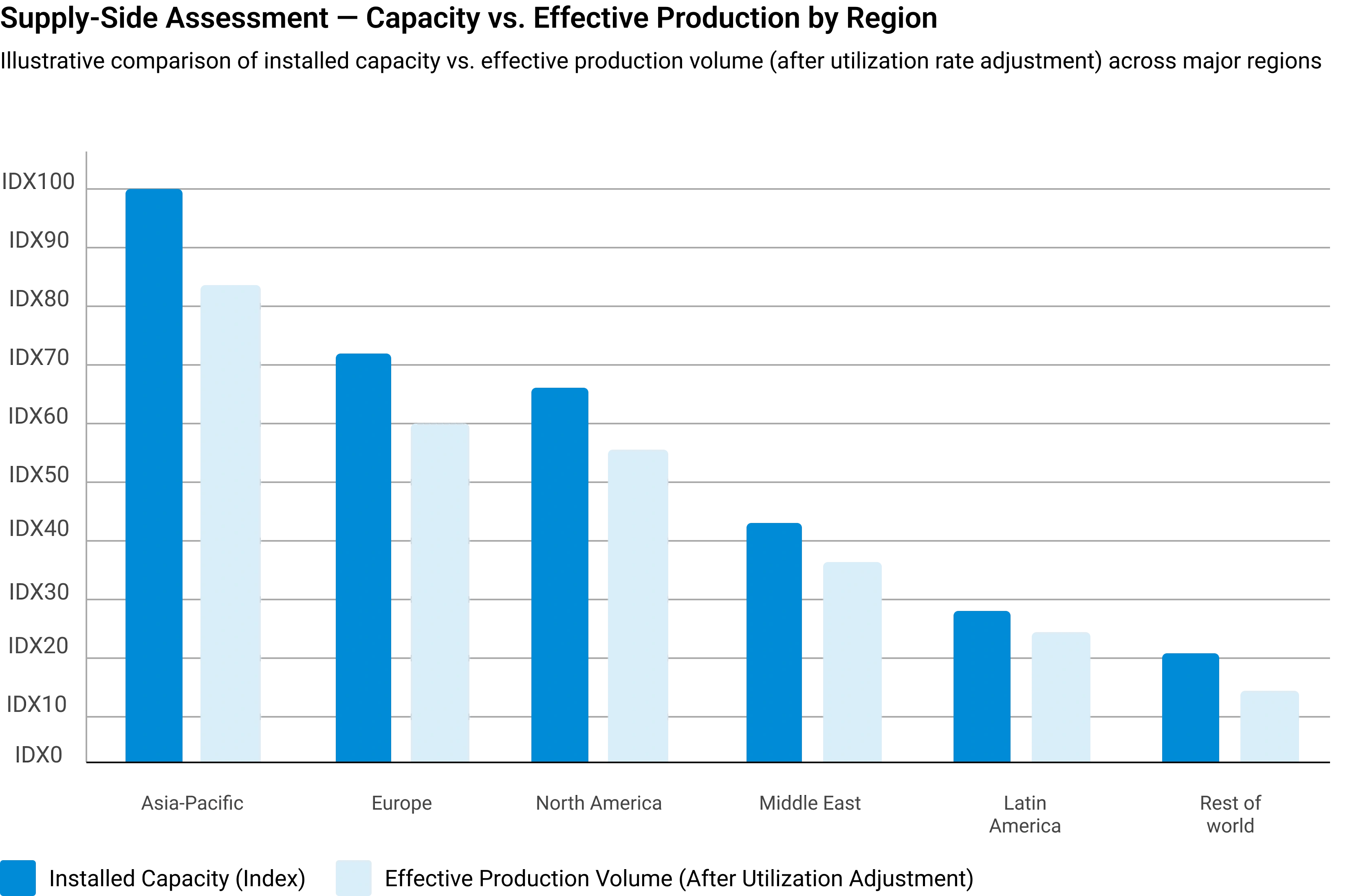
Capacity Utilization Adjustment
Installed capacity is adjusted using utilization rates based on demand conditions, feedstock availability, plant operating rates, maintenance schedules, and regulatory restrictions.
Manufacturer Revenue Analysis
Product-specific revenues, segment-level performance, regional distribution, average selling prices, and margin trends are evaluated to establish market value estimates.
Supply-Side Assessment — Capacity vs. Effective Production by Region
Illustrative comparison of installed capacity vs. effective production volume (after utilization rate adjustment) across major regions
Phase 3 — Demand-Side Assessment: Quantifying Chemical Consumption
Demand-side analysis quantifies chemical consumption across industries, applications, and geographies — identifying where and how chemicals are consumed throughout the value chain with precision.
End-Use Industry Analysis
Chemical demand is evaluated across automotive, construction, packaging, electronics, agriculture, healthcare, consumer goods, industrial manufacturing, energy and utilities, and water treatment. Industry output, production trends, and consumption intensity are analyzed to determine demand patterns.
Consumption Modeling
Demand is estimated using measurable indicators: kilograms per vehicle, kilograms per square meter of construction, dosage per cubic meter of water treated, kilograms per hectare of agricultural land, and kilograms per ton of manufactured products. Consumption factors are validated through industry publications and primary interviews.
Application Analysis
The market is segmented by application area to understand product performance requirements, formulation trends, technology adoption, customer preferences, and regulatory requirements improving demand accuracy and segmentation granularity.
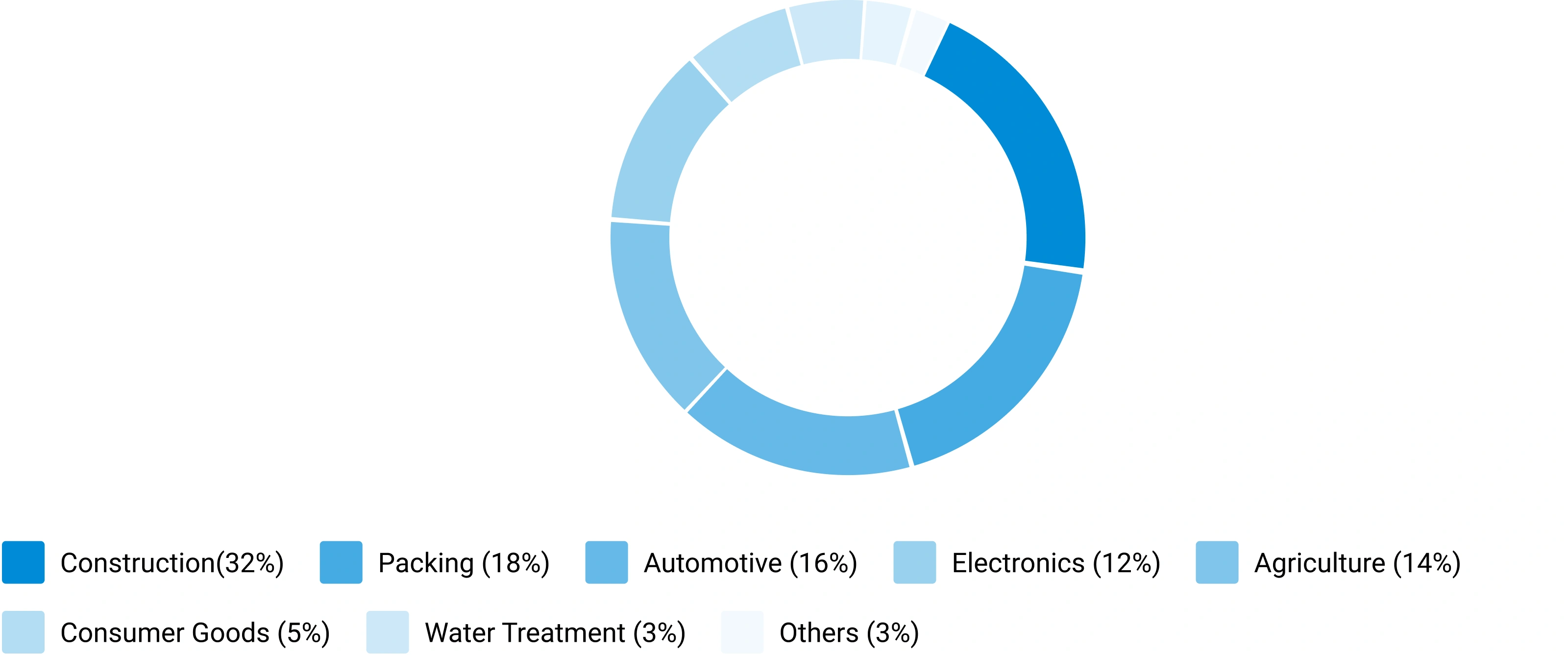
Demand-Side Assessment — End-Use Industry Demand Distribution
Illustrative distribution of chemical & materials demand across key end-use industries
Phase 4 - Trade Flow Analysis: Balancing Regional Supply and Demand
Trade flow analysis reconciles regional supply and demand estimates through import and export data, identifying net supply positions, regional dependencies, and market imbalances. It serves as an independent validation layer that tests the consistency of supply-side and demand-side estimates.
Import Analysis
Import data is evaluated to determine volumes, source countries, product dependency, regional supply gaps, and pricing trends — identifying markets that rely heavily on external supply and where domestic production is insufficient to meet demand.
Export Analysis
Export assessments reveal production surplus, export competitiveness, regional manufacturing strength, and global market participation. Export patterns also help validate domestic production estimates and identify net exporting regions.
Apparent Consumption Model
Regional consumption is assessed using the standard apparent consumption formula:
Results identify net importing regions, net exporting regions, regional deficits, and surpluses — serving as an independent validation of supply and demand estimates.
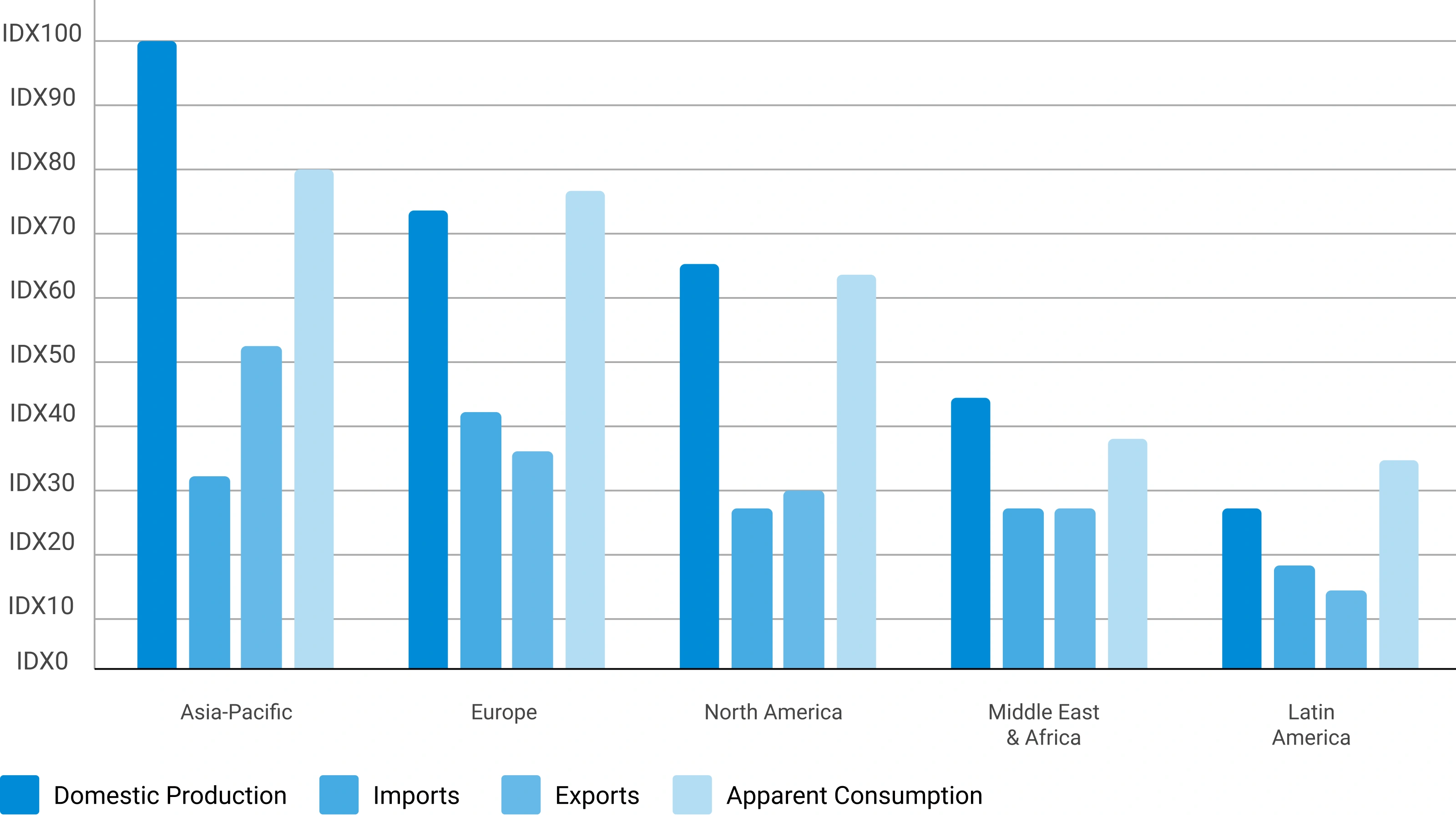
Trade Flow Analysis — Net Supply Position by Region
Illustrative apparent consumption vs. domestic production across major regions — positive gap indicates net import dependency
Phase 5 — Primary Research: The Critical Validation Layer
Primary research tests and refines findings from secondary research through direct engagement with industry participants across the supply chain, demand side, and expert community. It captures intelligence that no database or published report can provide — the real-world experience of manufacturers, buyers, and specialists operating in the market.

Supply-Side Interviews
Conversations with chemical manufacturers, raw material suppliers, contract manufacturers, technology providers, and plant operators cover production trends, capacity utilization, pricing developments, technology shifts, and competitive dynamics.

Demand-Side Interviews
Engagement with OEMs, industrial consumers, procurement managers, distributors, formulators, and end-use manufacturers focuses on consumption trends, purchasing behavior, product substitution, demand outlook, and emerging applications.

Industry Expert Consultations
Additional interviews with industry consultants, independent experts, regulatory specialists, technical professionals, and research institutions provide deeper market context and validate key analytical assumptions.
Focus Areas of Primary Research:
Market Size & Forecast Validation
Revenue estimates, volume consumption, growth rates, forecast assumptions, regional demand.Supply Chain & Value Chain Assessment
Raw material sourcing, supply chain challenges, distribution networks, procurement practices.Production & Capacity Analysis
Manufacturing capacity, utilization rates, expansion projects, plant investments.Pricing & Cost Structure Analysis
Product pricing trends, feedstock costs, energy costs, margin pressures, pricing outlook.Competitive Landscape Assessment
Volume and value estimates confirmed to be fully consistent with one another before publicationInterview Volume by Market Scope
| Study Scope | Number of Interviews |
|---|---|
| Niche Market | 20 – 30 |
| Mid-Sized Market | 30 – 50 |
| Global Market | 50 – 80 |
| Highly Fragmented Market | 80 – 120 |
Interview Details:
Category : Manufacturers, Suppliers, Distributors, End Users, Experts/Associations
Average Duration : 30–60 Minutes
Interview Mode : Video calls, telephonic interviews, expert consultations
Interview Format : Structured / Semi-Structured questionnaire
Focus Areas of Primary Research:
Market Size & Forecast Validation :
Revenue estimates, volume consumption, growth rates, forecast assumptions, regional demand.
Supply Chain & Value Chain Assessment :
Raw material sourcing, supply chain challenges, distribution networks, procurement practices.
Production & Capacity Analysis :
Manufacturing capacity, utilization rates, expansion projects, plant investments.
Pricing & Cost Structure Analysis :
Product pricing trends, feedstock costs, energy costs, margin pressures, pricing outlook.
Competitive Landscape Assessment :
Market share, competitor positioning, strategic initiatives, partnerships, acquisitions.
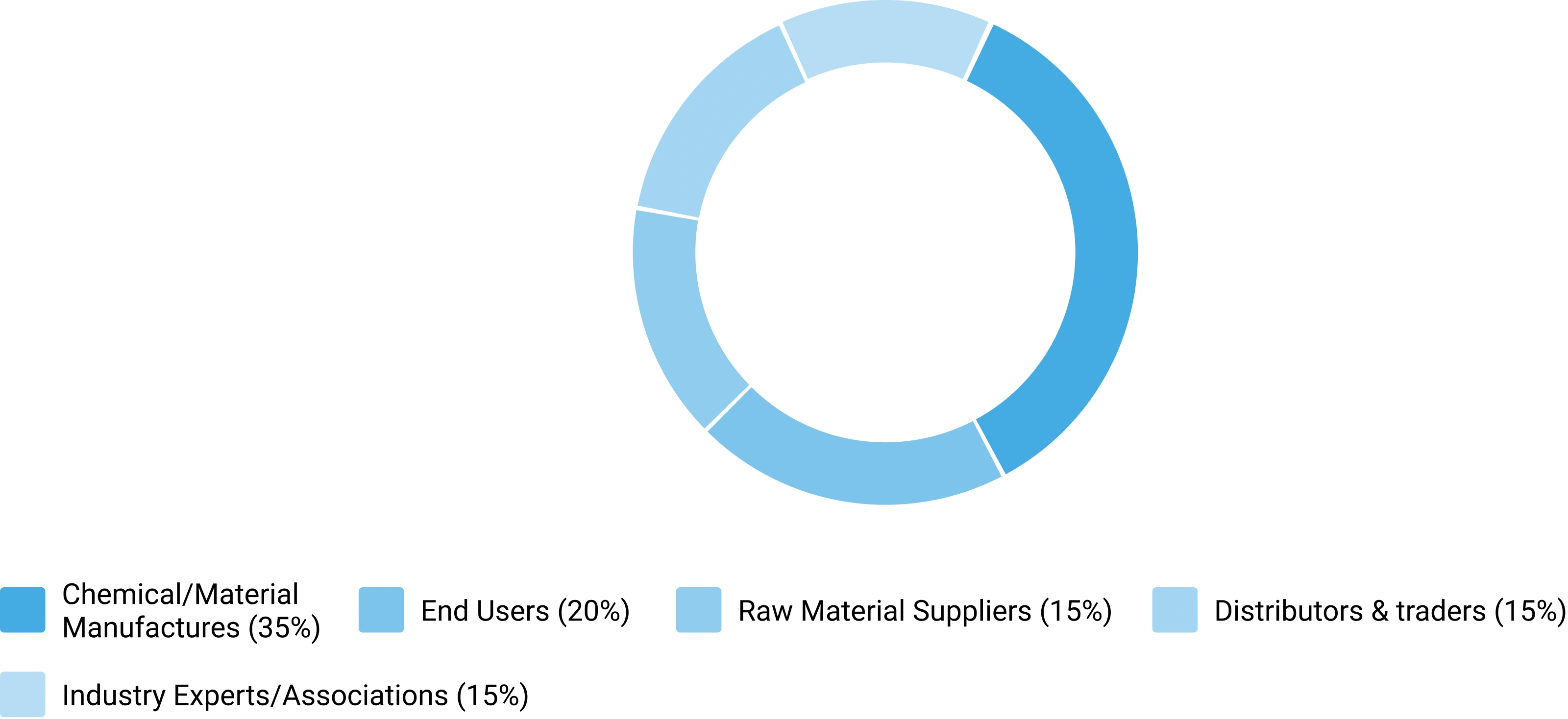
Primary Research — Stakeholder Coverage by Category
Distribution of interview respondents across stakeholder categories (% share from PPT data)
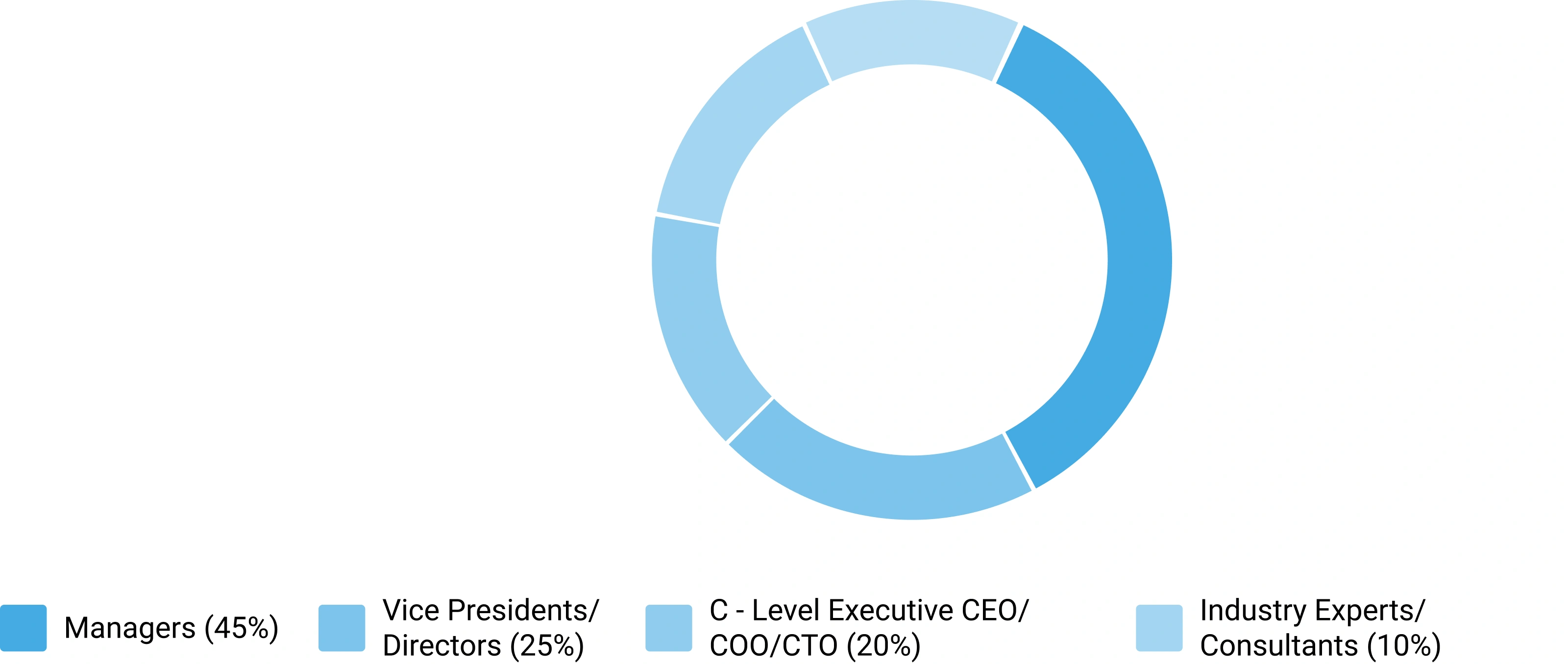
Primary Research — Respondent Designation Profile
Seniority breakdown of interview respondents (% share from PPT data)
Primary Research — Geographic Coverage of Interviews
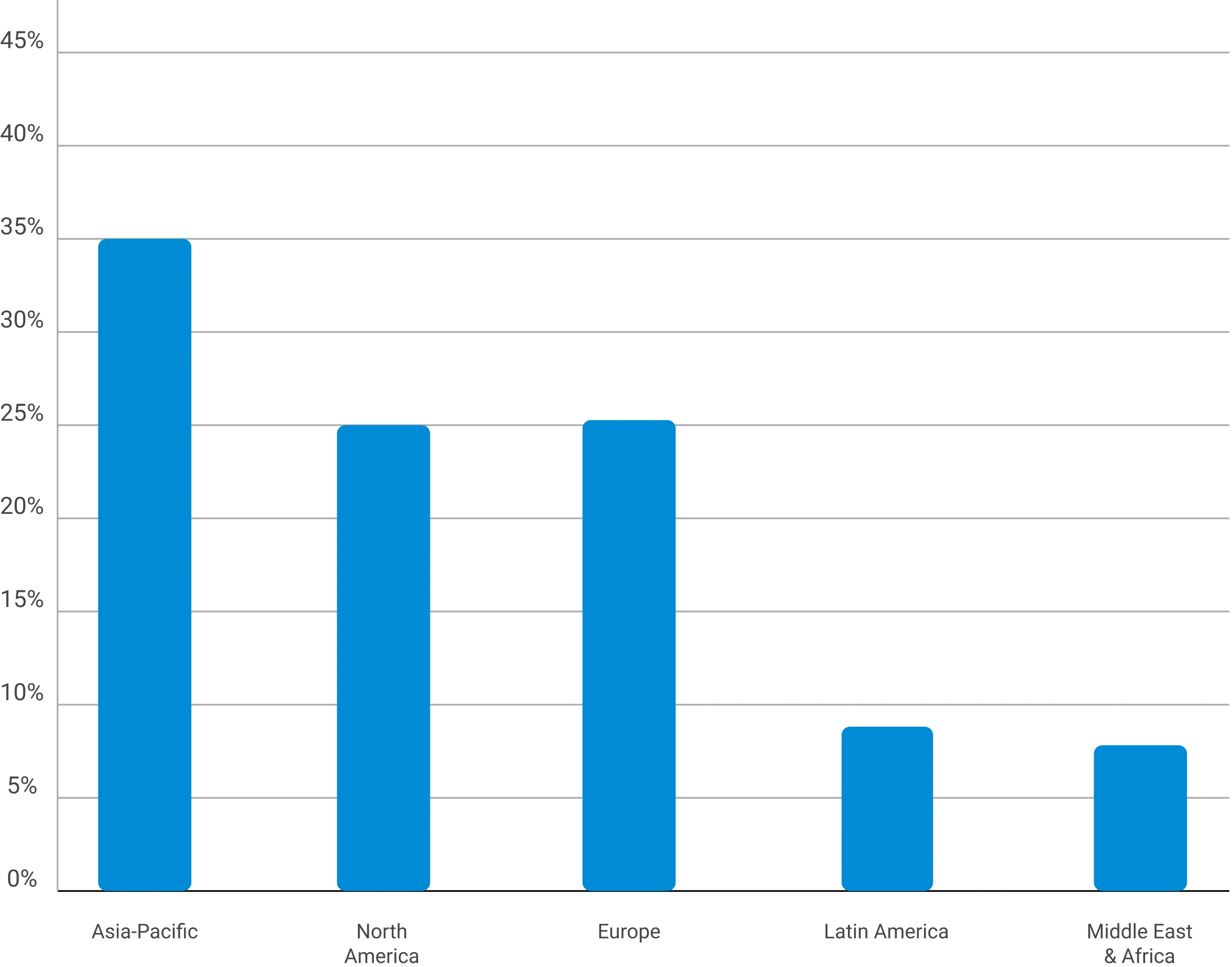
Regional distribution of primary research engagement (% share from PPT data)
Phase 6 — Data Triangulation and Market Validation
No single methodology is relied upon in isolation. Multiple independent estimation approaches are combined and reconciled to ensure consistency, accuracy, and analytical defensibility. Any material deviations between approaches are investigated and adjusted through additional validation cycles.
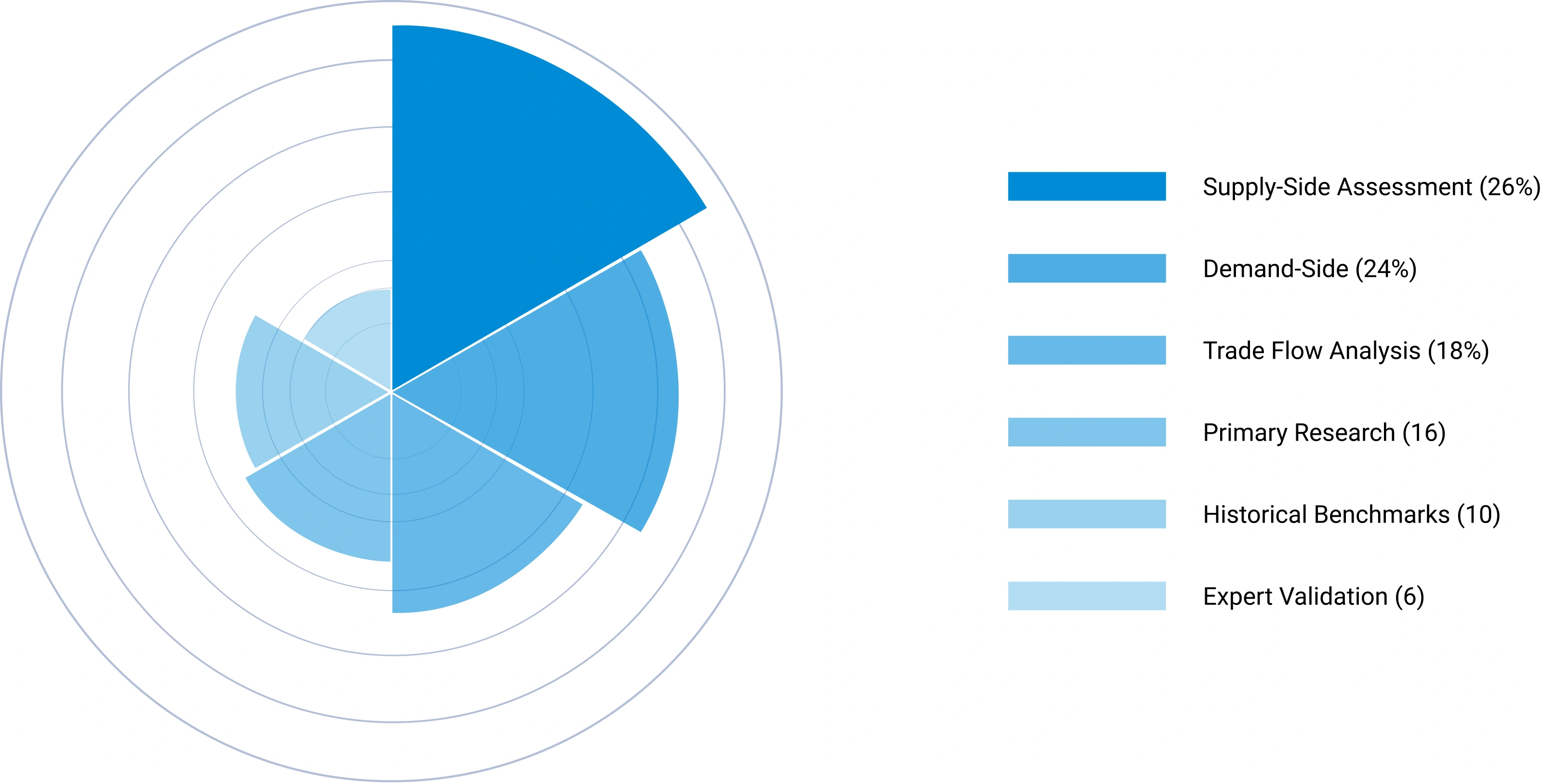
The final market size is derived through weighted triangulation of all validated methodologies. Any material deviations between approaches are investigated and adjusted through additional validation cycles. The outcome represents the most realistic assessment of the market based on available evidence and expert confirmation ensuring that volume and value estimates are fully consistent with one another.
Triangulation Framework — Input Contribution Weight
Relative weight each sizing input contributes to the final reconciled market estimate
Phase 7 — Forecast Modeling: Projecting Future Market Evolution
Forecasting evaluates the future trajectory of the market using a combination of quantitative indicators and qualitative assessments across economic, industry, and regulatory dimensions. Rather than simple extrapolation, each driver is independently modeled and integrated into a composite forecast.
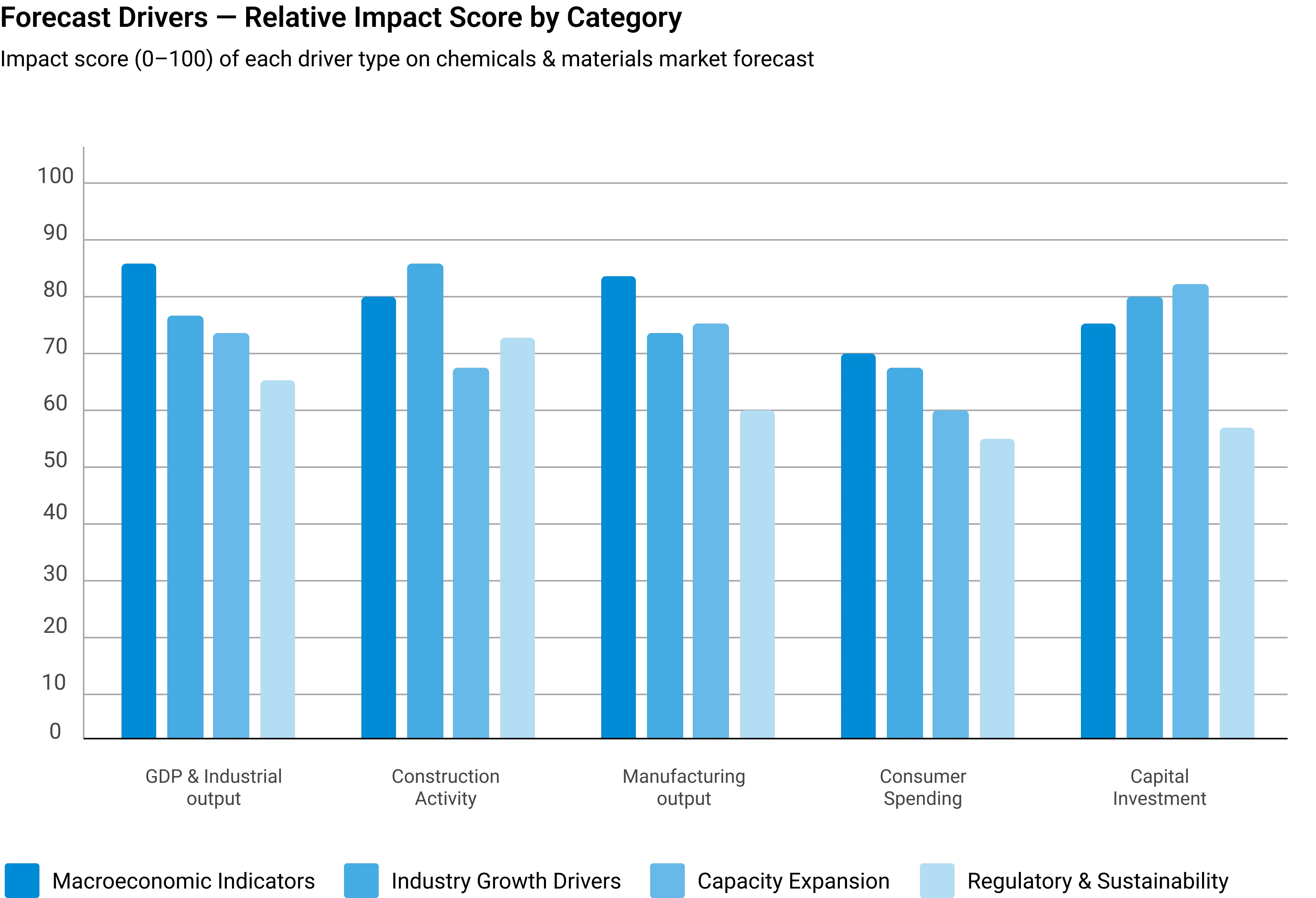
Macroeconomic Indicators
GDP growth, industrial production, manufacturing output, construction activity, consumer spending, and capital investment form the quantitative foundation of long-term demand projections. These are applied at country, regional, and global levels.
Industry Growth Drivers
Urbanization, infrastructure development, industrialization, technological innovation, sustainability initiatives, and evolving product performance requirements are assessed at regional and industry levels — capturing both structural and cyclical demand drivers.
Capacity Expansion Analysis
Announced plant expansions, new manufacturing facilities, technology upgrades, and strategic investments are evaluated to determine future supply-demand dynamics and potential market tightness or oversupply situations.
Regulatory & Sustainability
Environmental regulations, chemical safety standards, emission reduction targets, circular economy initiatives, and sustainability requirements are incorporated as they often influence product adoption rates and market growth trajectories.
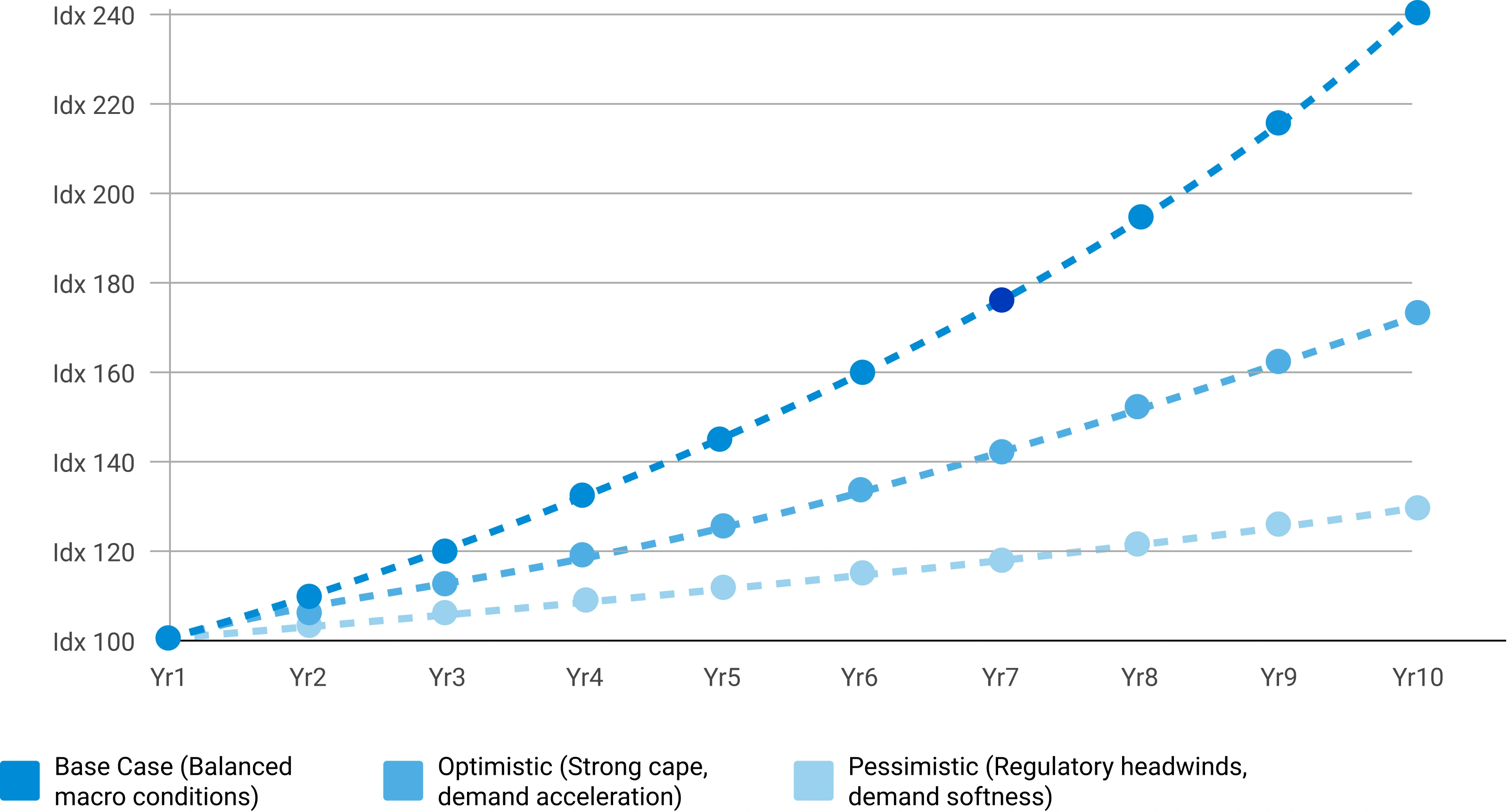
Scenario Forecast Range — Indexed Market Growth (Year 1–10)
Illustrative indexed growth trajectories across Base, Optimistic, and Pessimistic scenarios over a 10-year forecast horizon
Forecast Drivers — Relative Impact Score by Category
Impact score (0–100) of each driver type on chemicals & materials market forecast



Comments
Share your thoughts, ask a question, or provide feedback about this report.