
What is the Europe Biosurfactants Market Size and Share?
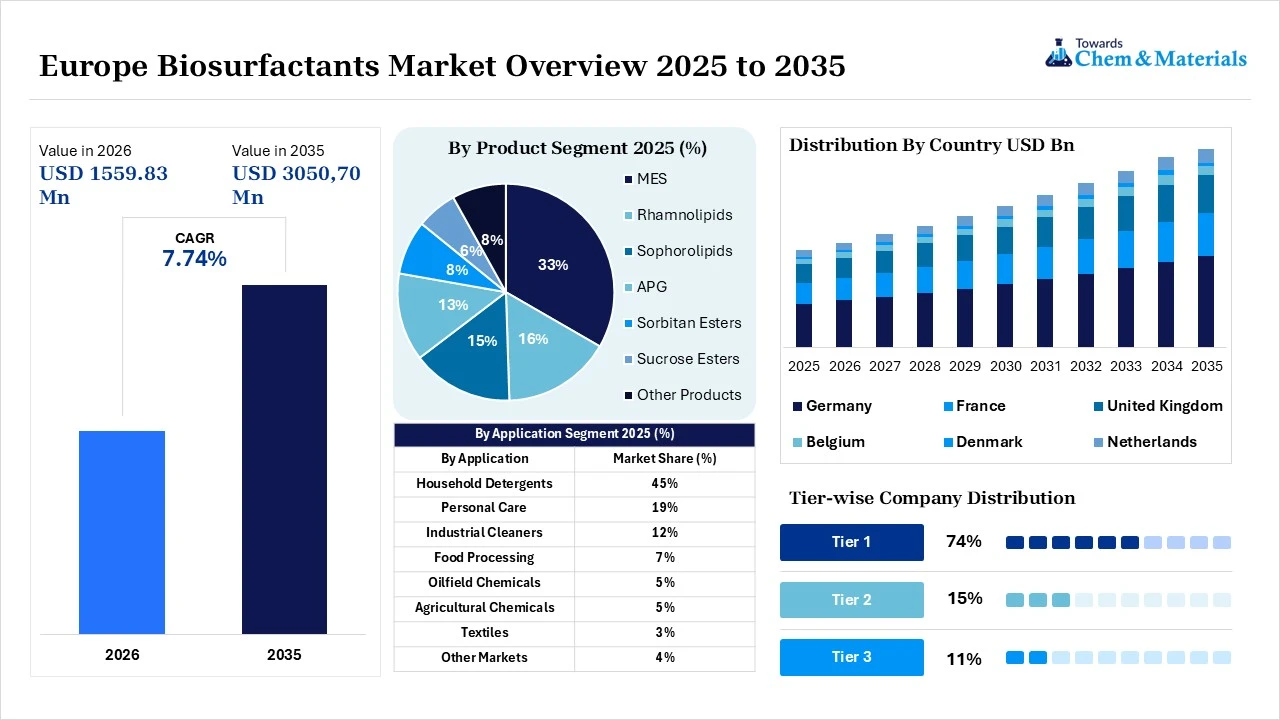
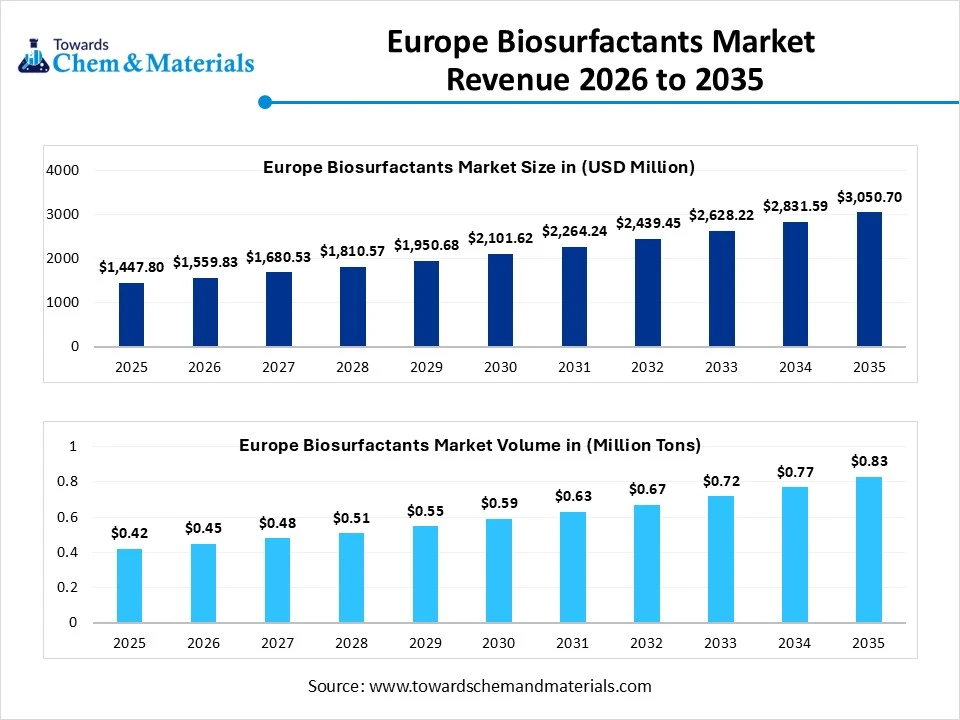
The Europe biosurfactants market size was valued at USD 1,447.8 million in 2025, is estimated to reach USD 1,559.8 million in 2026, and is projected to reach USD 3,050.7 million by 2035, exhibiting a compound annual growth rate (CAGR) of 7.74% over the forecast period from 2026 to 2035. Environmental regulations, the preference of consumers for sustainable products, and the existing biotechnology infrastructure in Europe all contribute to the expansion of the market. Demand is growing because of the increasing usage among household detergents, personal care products, industrial cleaning, agriculture, and food processing.
Market Highlights
- Germany dominated the Europe biosurfactants market by holding a 34.3% share in 2025 and is expected to grow at a CAGR of 8.3% during the forecast period.
- Denmark held 1.8% market share in 2025 and is expected to grow at the fastest CAGR of 8.1% during the forecast period.
- By product, the MES segment dominated the market with the largest share of 33.3% in 2025 and is expected to grow at a CAGR of 6.8% during the forecast period.
- By product, the rhamnolipids segment held a 16.4% market share in 2025 and is expected to grow at the fastest CAGR of 14.8% over the forecast period.
- By application, the household detergents segment dominated the market with the largest share of 45% in 2025 and is expected to grow at a CAGR of 7.8% during the forecast period.
- By application, the personal care segment held 18.6% market share in 2025 and is expected to grow at the fastest CAGR of 10.9% over the forecast period.
According to Towards Chemicals and Materials Analytics and Consulting, the Europe Biosurfactants Market volume was valued at 0.42 million tons in 2025 and is expected to surpass around 0.83 million tons by 2035, accelerating a compound annual growth rate (CAGR) of 7.00% over the forecast period from 2026 to 2035.
Market Overview
Environmental regulations, consumer awareness of biosurfactants, biotechnology capabilities, and a rising demand for eco-friendly cleaning fluids all provide a boost to the biosurfactants market in Europe. European policies are increasingly favouring circular production and bio-alternatives, which is prompting companies to adopt alternative ingredients to those derived from conventional fossil fuels. Waste streams and renewable feedstocks are also gaining significance as inputs for manufacturing.
- For instance, in March 2026, a Dutch company called Mother’s Earth introduced what it says is Europe’s first laundry sheet made without PVA. The launch comes as people and regulators look more closely at what is in cleaning products.(Source: nltimes.nl)
Global Investment Movement for the Europe Biosurfactants Market
Increasingly, investments are being directed towards commercial-scale biosurfactant production plants that will support regular volumes. Traditional fermentation production limits are being overcome by large chemical companies through the expansion of their fermentation factories.
Biosurfactant development in biotechnology firms receives more and more support through funding sources from industrial by-products, food waste, and agricultural side-streams. Such strategies help to build up circular feedstock structures and increase production economics.
Capital is being allocated to companies developing bio-based alternatives, with regulation in Europe a factor. More and more, the regulatory landscape evolves towards alignment with the investment attractiveness of sustainable chemical technologies.
Report Scope
| Report Attributes | Details |
| Market Size in 2026 | USD 1,559.8 Million/ 0.45 Million Tons |
| Expected Size in 2035 | USD 3,050.7 Million/ 0.83 Million Metric Tons |
| Growth Rate | CAGR of 7.74% |
| Base Year of Estimation | 2025 |
| Forecast Period | 2025-2035 |
| Segment Covered | By Product, By Application |
| Key Companies Profiled | Allied Carbon Solutions Co., Ltd., Evonik Industries AG, BASF SE, Givaudan SA, Ecover, Biotensidon GmbH, Sabo S.p.A., Holiferm Ltd, Solvay SA (Syensqo), Kaneka Corporation, Croda International Plc, Clariant AG, Stepan Company, Dow Inc., Saraya Co., Ltd. |
Market Trends
- As producers of biosurfactants move from pilot production to commercial production, the importance of commercial manufacturing capacity is growing. The larger facilities enable reliable supply, wider applications, and market commercialization.
- Glycolipid products such as rhamnolipids and sophorolipids are being considered because of their applicability in cleaning, personal care, and cosmetic applications.
- Germany is also a key European hub for innovation, with existing chemical infrastructure and expertise, and a growing focus on sustainable chemical production.
Key Technological Shifts and AI in the Europe Biosurfactants Market
AI is now aiding biosurfactant development in several ways, such as optimizing microbial fermentation processes, selecting appropriate feedstocks, optimizing production processes, and controlling production processes. Machine learning models can be used to analyze fermentation conditions, such as pH, temperature, and carbon-to-nitrogen ratio. Computational methods can be used as an aid for microbial strain screening, molecular design, and enhancement of surface-active activity. Real-time reinforcement learning and digital twins can help in bioreactor monitoring and scaling up.
Supply Chain Analysis of the Europe Biosurfactants Market
Feedstock Procurement
- Biosurfactants are made from a variety of carbon sources, including renewable agricultural materials, vegetable oils, sugars, and industrial side-streams.
- A secure supply of feedstocks ensures continuity of production, cost control, and sustainable production in European value chains.
- Evonik Industries AG to get biogenic feedstock for sustainable biosurfactant production with major player contributions and regionally sourced European corn sugar.
- Other Key Players: BASF SE, Clariant AG, Holiferm Limited.
Chemical Synthesis and Processing
- Microbial fermentations are used to produce biosurfactant compounds such as glycolipid and lipopeptide solutions from renewable substrates.
- Effectiveness of fermentation technologies is critical for yields, manufacturing economics, scalability, and commercial competitiveness.
- Holiferm Limited applies patented gravity-separated continuous fermentation technology to enable scalable production of rhamnolipid and sophorolipid.
- Other Key Players: Evonik Industries AG, Biotensidon GmbH and Solvay S.A.
Compound Formulation and Blending
- Finished biosurfactants are mixed and stabilized with appropriate components for the formulation for consumer and industrial use.
- Formulation influences product performance, stability, suitability for application, and compatibility with sustainable end-use requirements.
- BASF SE is developing special sugar-based Alkyl Polyglycosides such as Glucopon® for sustainable industrial cleaning and baby-skin applications.
- Other Key Players: Clariant AG, Croda International Plc., AmphiStar Biosurfactants.
Sustainability Analysis of the Europe Biosurfactants Market
Europes biosurfactants market plays a vital role in the implementation of sustainable chemistry by providing biodegradable alternatives to conventional petrochemical surfactants. Utilizing circular feedstocks enhances resource efficiency by transforming agricultural waste and industrial waste into useful production resources. Consumer acceptance of eco-certified products leads to reformulation in household and personal care products. The development of sustainable biotechnology and circular bioeconomy is additionally supported by European policies.
What are Biosurfactants?
Biosurfactants are chemical substances that are generated through biological processes with microorganisms and renewable feedstocks, and are surface-active. They lower surface and interfacial tension and improve various applications such as cleaning, personal care, agriculture, food processing, and environmental remediation. Increasing focus on fermentation, circular feedstocks, biodegradability, and sustainable manufacturing methods in Europe.
Uses of Europe Biosurfactants
- Manufacturers are interested in the use of surface active agents that are biodegradable and sustainable, including biosurfactants, in detergents for laundering, dishwashing, surface cleaning, and fabric care.
- Biosurfactants are used in personal care formulations in skin, hair, oral, bath, and cosmetic products where gentle formulation and sourcing of ingredients are critical.
- Biosurfactants are applied in institutional cleaning, food and beverage cleaning, metal cleaning, and industrial degreasing formulations where effective surface activity is required for industrial cleaning applications.
- Biosurfactants are part of formulations used in agriculture such as bio-pesticides, bio-fertilizers, agrochemical products and soil remediation solutions, which need to be more biologically compatible.
- Biosurfactants are used in the field of environmental remediation, oilfield chemicals, textiles, food processing, pharmaceuticals, biotechnology, and other special applications that need surface-active biological compounds.
Pricing Analysis for the Europe Biosurfactants Market
Prices in Europe are impacted by intricate fermentation processes, unique biotechnology facilities, costs of renewable feedstocks, and regulatory standards compliance. The demand for sustainable ingredients in personal care and household products provides support for premium positioning. Routine petroleum-based surfactants remain the source of price competition. Producers may begin to improve the economics of production over time as they utilize waste feedstocks or partner with industry to enable commercial-scale production.
Europe Biosurfactants Market: Global Trade Analysis
Environmental regulations, biotechnology skills, the need for sustainable products, and the growing use of biosurfactants in industry are all factors affecting European biosurfactant markets. Important regional markets are the Nordic countries, the UK, France, and Germany. Regional supply is aided by renewable feedstocks, advanced manufacturing technologies, and specialized research capabilities. However, this will result in increased production costs when compared with synthetic surfactants, which can have an impact on international competitiveness for companies aiming to enhance production efficiency with waste-based feedstocks and partnerships.
Segmental Insights
Product Insights
The MES segment dominated the market with the largest share of 33.3% in 2025 and is expected to grow at a CAGR of 6.8% over the forecast period, due to its presence in European biosurfactant applications. Household cleaning needs continue to be a positive factor for demand, and formulation sustainability is another. The segment is benefiting from rising market interest in the use of non-synthetic surfactants in European markets. Its use in detergent formulations has continued, and the increasing sustainability criteria drive manufacturers to consider bio-based and environmentally friendly surfactant alternatives.
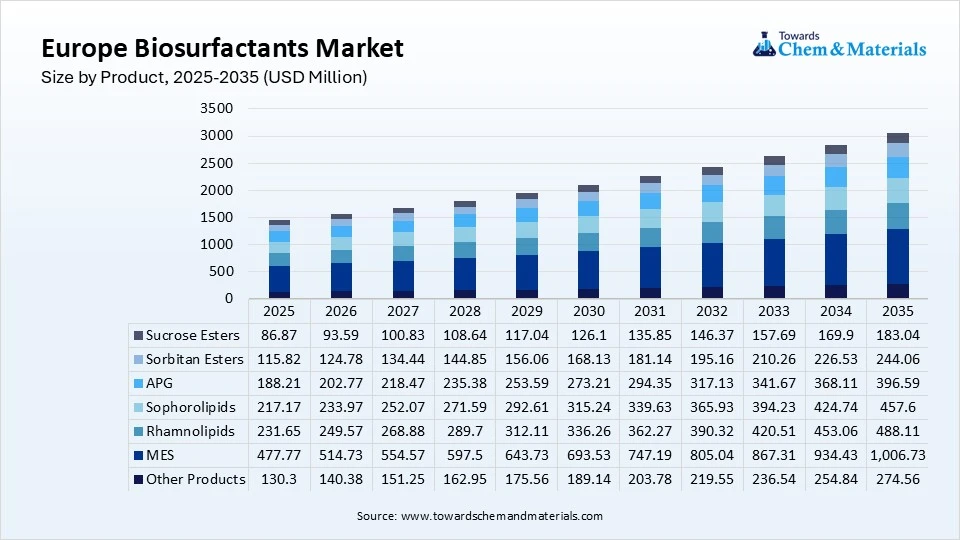
The rhamnolipids segment held a 16.4% market share in 2025 and is expected to grow at the fastest CAGR of 14.8% over the forecast period, owing to the presence of European companies that are trying to establish their sustainable production of biosurfactants. Increased commercial-scale production increases the availability of rhamnolipid products for applicable areas. The segment is also being favoured by rising fermentation-based production and sustainable alternatives. Ongoing technology development and expansion of manufacturing will bolster the use of rhamnolipids in the evolving biosurfactant industry in Europe.
Europe Biosurfactants Market Share, By Product, 2025(%)
| By Product | Market Share (%) |
| MES | 33% |
| Rhamnolipids | 16% |
| Sophorolipids | 15% |
| APG | 13% |
| Sorbitan Esters | 8% |
| Sucrose Esters | 6% |
| Other Products | 8% |
Application Insights
The household detergents segment dominated the market with the largest share of 45% in 2025 and is expected to grow at a CAGR of 7.8% over the forecast period, since biosurfactants are a growing component of laundry detergents, dishwashing products, surface cleaners, and fabric-care formulations in households. Consumers are increasingly questioning the ingredients in the cleaning products they use, which leads to sustainable formulation development. Regulatory pressure also pushes European manufacturers to think of alternatives to traditional chemical ingredients. 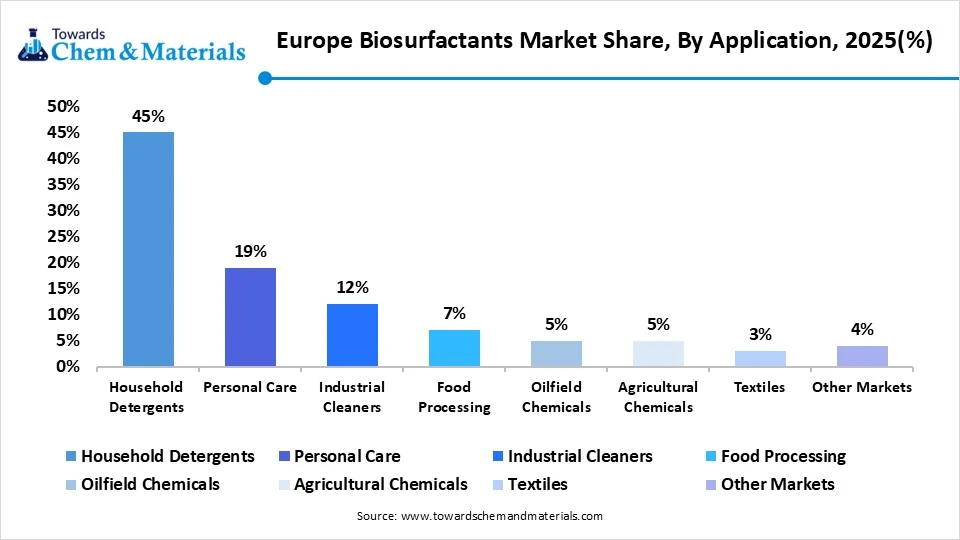
- For instance, in April 2026, Planet Bs household brand Powr launched a 100% cardboard-recyclable liquid laundry detergent, which encourages healthy and sustainable cleaning decisions.
(Source: www.retaildetail.eu)
The personal care segment held an 18.6% market share in 2025 and is expected to grow at the fastest CAGR of 10.9% over the forecast period, as more companies seek to develop sustainable ingredients for consumer products. Biosurfactants can be used in skin care, hair care, oral care, bath, shower, and cosmetic products. The growing demand for eco-certified and clean-labelled products further strengthens the potential of bio-based ingredients. Ongoing formulation innovation and the development of sustainable products can help establish the use of biosurfactants even further in European personal care markets.
Europe Biosurfactants Market Share, By Application, 2025(%)
| By Application | Market Share (%) |
| Household Detergents | 45% |
| Personal Care | 19% |
| Industrial Cleaners | 12% |
| Food Processing | 7% |
| Oilfield Chemicals | 5% |
| Agricultural Chemicals | 5% |
| Textiles | 3% |
| Other Markets | 4% |
Regional Insights
How Did Germany Dominate the Europe Biosurfactants Market in 2025?
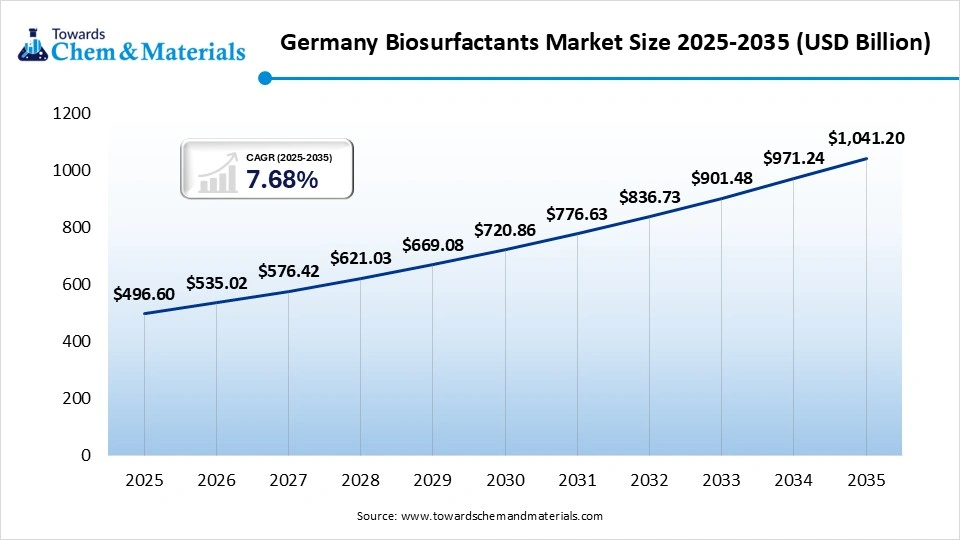
Germany Biosurfactants market size was estimated at USD 496.6 billion in 2025 and is projected to reach USD 1,041.2 billion by 2035, growing at a CAGR of 7.68% from 2026 to 2035. Germany dominated the market with the largest share of 34.3% in 2025 and is expected to grow at a CAGR of 8.3% during the forecast period. Germany is the dominant market for biosurfactants in Europe, based on the data. It is located in a region where it is actively involved in Europes chemical and biotechnology sector. The country also has companies engaged in manufacturing, formulation, and technological advances of biosurfactants. These capabilities enable ongoing advances in sustainable surfactant solutions in government, personal care, and industrial applications all over Europe.
Denmark Biosurfactants market size was estimated at USD 26.1 billion in 2025 and is projected to reach USD 34.2 billion by 2035, growing at a CAGR of 2.74% from 2026 to 2035. Denmark held a 1.8% market share in 2025 and is expected to grow at the fastest CAGR of 8.1% during the forecast period. Based on the provided information, Denmark is an emerging European biosurfactant market with the highest growth rate among countries. The development is indicative of growing potential to use sustainable surfactants in European applications. The regional demand for formulations with higher environmental acceptance and bio-based products offers great potential for the development of the biosurfactant market in the country.
France Biosurfactants market size was estimated at USD 234.5 billion in 2025 and is projected to reach USD 491.5 billion by 2035, growing at a CAGR of 7.68% from 2026 to 2035. France held a 16.2% market share in 2025 and is expected to grow at a CAGR of 7.5% over the forecast period. France is a significant biosurfactant market as they require sustainable chemical solutions. The country is involved in a larger process of transition towards increasingly eco-friendly surfactant formulations in Europe. Biosurfactant applications include household detergents, personal care, industrial detergents, and other applications found in the market segmentation. Product innovations that are continuing to work towards sustainability create potential for wider use of biosurfactants in France.
The UK Biosurfactants market size was estimated at USD 214.3 billion in 2025 and is projected to reach USD 431.1 billion by 2035, growing at a CAGR of 7.24% from 2026 to 2035. United Kingdom held a 14.8% market share in 2025 and is expected to grow at a CAGR of 7.8% over the forecast period. Another important market for biosurfactants in Europe is the United Kingdom, where there are increasing prospects for sustainable application of surfactants. Broader European demand for environmentally responsible ingredients in household and personal care products is related to market development. Within the market segmentation provided, biosurfactants also have applications in industrial cleaning, agriculture, textiles, and other industries.
The Belgium Biosurfactants market size was estimated at USD 56.5 billion in 2025 and is projected to reach USD 94.9 billion by 2035, growing at a CAGR of 5.32% from 2026 to 2035. Belgium held a 3.9% market share in 2025 and is expected to grow at a CAGR of 7.7% over the forecast period. The Kingdom of Belgium has proven itself to be a strong developer of biosurfactants, both in terms of biotechnology and innovation in upcycled feedstocks. This helps Belgiums positioning in the growing biosurfactant ecosystem in Europe. Commercialization activities and platforms enhance broader availability and development of sustainable high-performance surfactant solutions.
For instance, in April 2026, Belgian biosurfactant developer AmphiStar rolled out AmphiNova®, which features over 80 molecules of biosurfactants for sustainable product development.(Source: amphistar.com)
The Netherlands Biosurfactants market size was estimated at USD 78.2 billion in 2025 and is projected to reach USD 156.8 billion by 2035, growing at a CAGR of 7.20% from 2026 to 2035. Netherlands held a 5.4% market share in 2025 and is expected to grow at a CAGR of 8% over the forecast period. The Netherlands is a significant biosurfactant market in Europe, and the main direction of development is in the field of sustainable laundry-care surfactants. Local manufacturing capability to produce bio-circular and lower-carbon surfactant solutions. The developments reinforce the Netherlands in the changing ingredient supply chain for sustainable cleaning in Europe.
Recent Developments
- In Jul 2026, after the evaluation round, the company raised a total of €12.5 million under AmphiStar. The funding enables the scaling up of microbial biosurfactant production from bio-based waste feedstocks for faster commercialization and wider market availability.(Source: www.eu-startups.com)
- In February 2026, Syensqo introduced new natural laureth-7 surfactant Rhodasurf® B7 for more sustainable laundry and hard-surface formulations. The addition enhances Syensqos sustainable surfactant portfolio while offering lower-carbon product formulation. (Source: www.syensqo.com)
Competitive Analysis
The industry is competitive, focusing on sustainable production technologies, fermentation skills, formulation know-how, commercial-scale production, and strategic collaborations. Traditional chemical businesses are building their inventories by creating new bio-based products, and specialised biotechnology companies are targeting waste-based feedstocks and new fermentation platforms. Regulatory demands and consumer sustainability expectations are increasingly shaping the competitive positioning. Businesses with the ability to incorporate cost-effective manufacturing, sustainable feedstocks, good performance, and regulatory compliance are well placed to enhance their market share in European applications.
- For instance, in December 2025, Rhodasurf® laundry-care surfactant was certified by ISCC PLUS at the Moerdijk manufacturing site of Syensqo. The certification further enhances traceability of bio-circular feedstocks and the supply of certified sustainable laundry detergent.(Source: www.syensqo.com)
- For instance, in October 2025, AmphiStar and Caldic announced their co-operation to market AmphiStars upcycled biosurfactants for personal care products across Europe. The collaboration enhances the commercialization and availability of sustainable surfactant raw materials.(Source: www.synbiobeta.com)
- For instance, in the Slovakia plant, Evonik Industries AG has enhanced its world-class production of the natural surfactant rhamnolipid for commercial applications.(Source: www.evonik.com)
Top Players in the Market & Their Offerings
| Company | Company Type/Position | Major Headquarters | Geographic Presence | Europe Biosurfactants Offerings | Key Strength |
| Evonik Industries AG | Multinational Specialty Chemicals | Essen, Germany | Global | Rhamnolipids | Large-scale industrial fermentation capacity |
| BASF SE | Multinational | Ludwigshafen, Germany | Global | Bio-based and spoon-derived surfactant | Extensive regional distribution network |
| Holiferm Limited | Biotech Innovator | Manchester, United Kingdom | Europe, Global | Sophorolipids | Patented gravity separation fermentation technology |
Other Key Players
- Allied Carbon Solutions Co., Ltd.
- Evonik Industries AG
- BASF SE
- Givaudan SA
- Ecover
- Biotensidon GmbH
- Sabo SPA
- Holiferm Ltd
- Solvay SA (Syensqo)
- Kaneka Corporation
- Croda International Plc
- Clariant AG
- Stepan Company
- Dow Inc.
- Saraya Co., Ltd.
Segment Covered in the Report
By Product
- Rhamnolipids
- Mono-rhamnolipids
- Di-rhamnolipids
- Fermentation-derived grades
- Sophorolipids
- Acidic sophorolipids
- Lactonic sophorolipids
- MES
- Sodium methyl ester sulfonate
- Potassium methyl ester sulfonate
- APG
- Alkyl glucosides
- Decyl glucoside
- Coco glucoside
- Lauryl glucoside
- Sorbitan Esters
- Sorbitan monolaurate
- Sorbitan monooleate
- Sorbitan monostearate
- Sucrose Esters
- Sucrose stearate
- Sucrose palmitate
- Sucrose oleate
- Other Products
- Lipopeptides
- Phospholipids
- Mannosylerythritol lipids
- Trehalolipids
- Cellulose-derived surfactants
By Application
- Household Detergents
- Laundry detergents
- Dishwashing products
- Surface cleaners
- Fabric-care products
- Personal Care
- Skin care
- Hair care
- Oral care
- Bath and shower products
- Cosmetics
- Industrial Cleaners
- Institutional cleaning
- Food and beverage cleaning
- Metal cleaning
- Industrial degreasing
- Food Processing
- Emulsification
- Foaming control
- Processing aids
- Food-contact formulations
- Oilfield Chemicals
- Enhanced oil recovery
- Oil-well stimulation
- Drilling fluids
- Oil spill remediation
- Agricultural Chemicals
- Biopesticides
- Biofertilizers
- Agrochemical formulations
- Soil remediation
- Textiles
- Wetting agents
- Scouring
- Dyeing
- Finishing
- Other Markets
- Pharmaceuticals
- Biotechnology
- Environmental remediation
- Leather processing
A Seven-Phase Framework
Our methodology is designed to be universally applicable across commodity chemicals, specialty chemicals, petrochemicals, construction chemicals, coatings, electronic chemicals, industrial gases, agrochemicals, water treatment chemicals, and performance materials. Each phase builds upon the last, creating a layered validation structure that minimizes estimation error and maximizes analytical confidence.
The framework ensures comprehensive market coverage, robust cross-validation, and reliable long-term forecasting — producing market estimates that withstand scrutiny from investors, regulators, and corporate strategy teams.

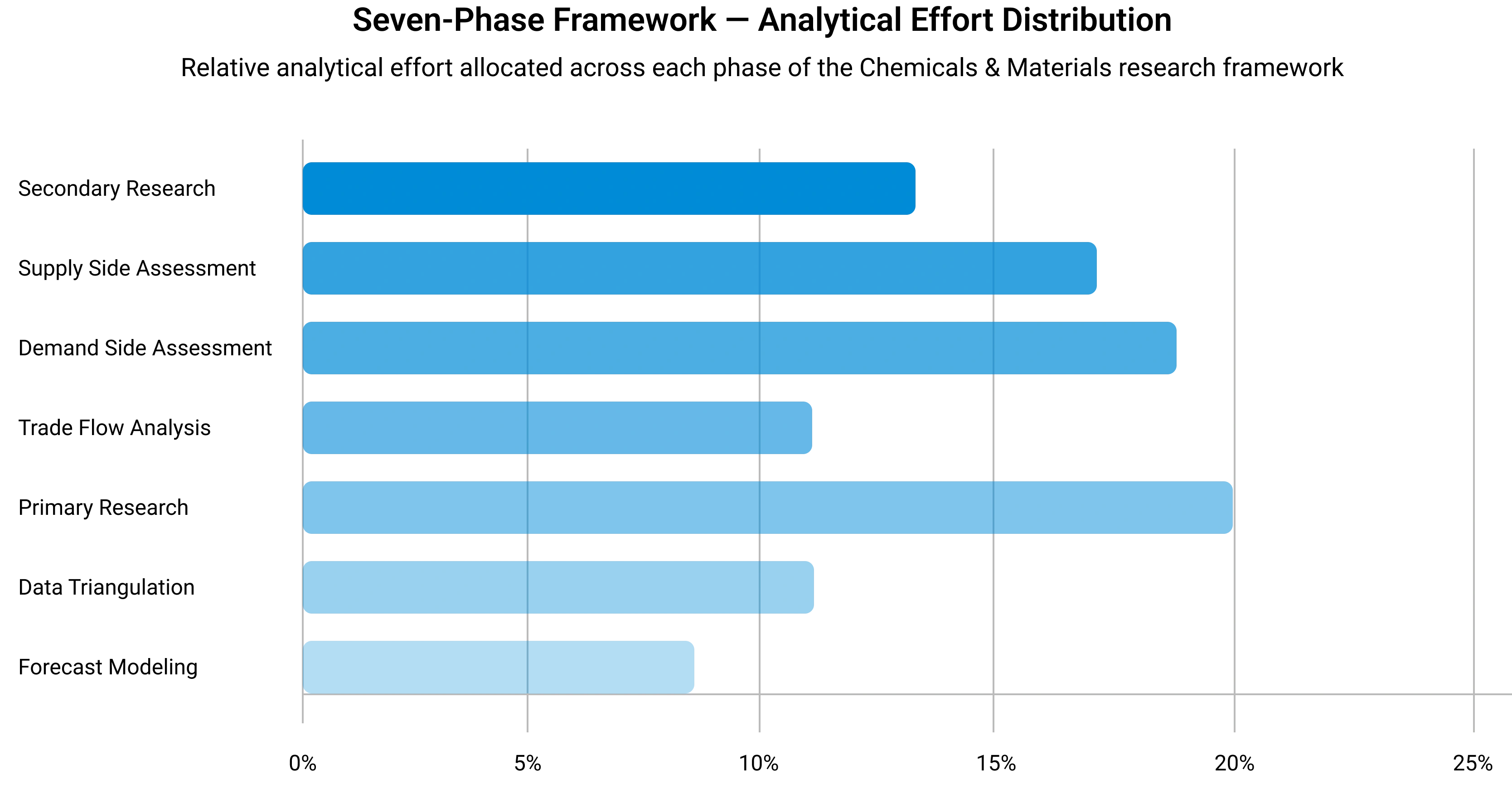
Seven-Phase Framework — Analytical Effort Distribution
Relative analytical effort allocated across each phase of the Chemicals & Materials research framework
Phase 1 - Secondary Research: Establishing the Foundation
Secondary research collects and evaluates publicly available information from authoritative sources, establishing the foundational understanding of market structure, value chain dynamics, competitive landscape, and end-use demand patterns. Every source is evaluated for credibility, recency, geographic relevance, and methodological soundness before inclusion.
Industry Associations
Sources include ACC, CEFIC, ICCA, JCIA, CPCIF, and SOCMA providing production volumes, consumption trends, capacity developments, and sustainability initiatives.
Company Disclosures
Annual reports, investor presentations, earnings transcripts, and regulatory filings reveal product portfolios, manufacturing footprints, capacity expansions, and revenue segmentation.
Government Databases
National statistical offices, customs authorities, environmental agencies, and industrial production databases provide verified statistics on output, trade flows, and regulatory compliance.
Trade Databases
UN Comtrade, ITC, Eurostat, and national customs authorities enable assessment of global product movement, import dependency, and export competitiveness across regions.
Our Secondary Research Sources
- Ministry of Chemicals and Fertilizers
- European Chemicals Agency
- United States Department of Energy
- Ministry of Industry and Information Technology
- Ministry of Economy Trade and Industry
- Ministry of Trade Industry and Energy
- National Institute of Standards and Technology
- Council of Scientific and Industrial Research
- Fraunhofer Society
- National Institute for Materials Science
Phase 2 — Supply-Side Assessment: Mapping Production Capabilities
Production Capacity Analysis
All major manufacturers are assessed for existing installed capacity, planned additions, expansions, new plant announcements, and technology adoption — mapped at global, regional, and country levels.
Capacity Utilization Adjustment
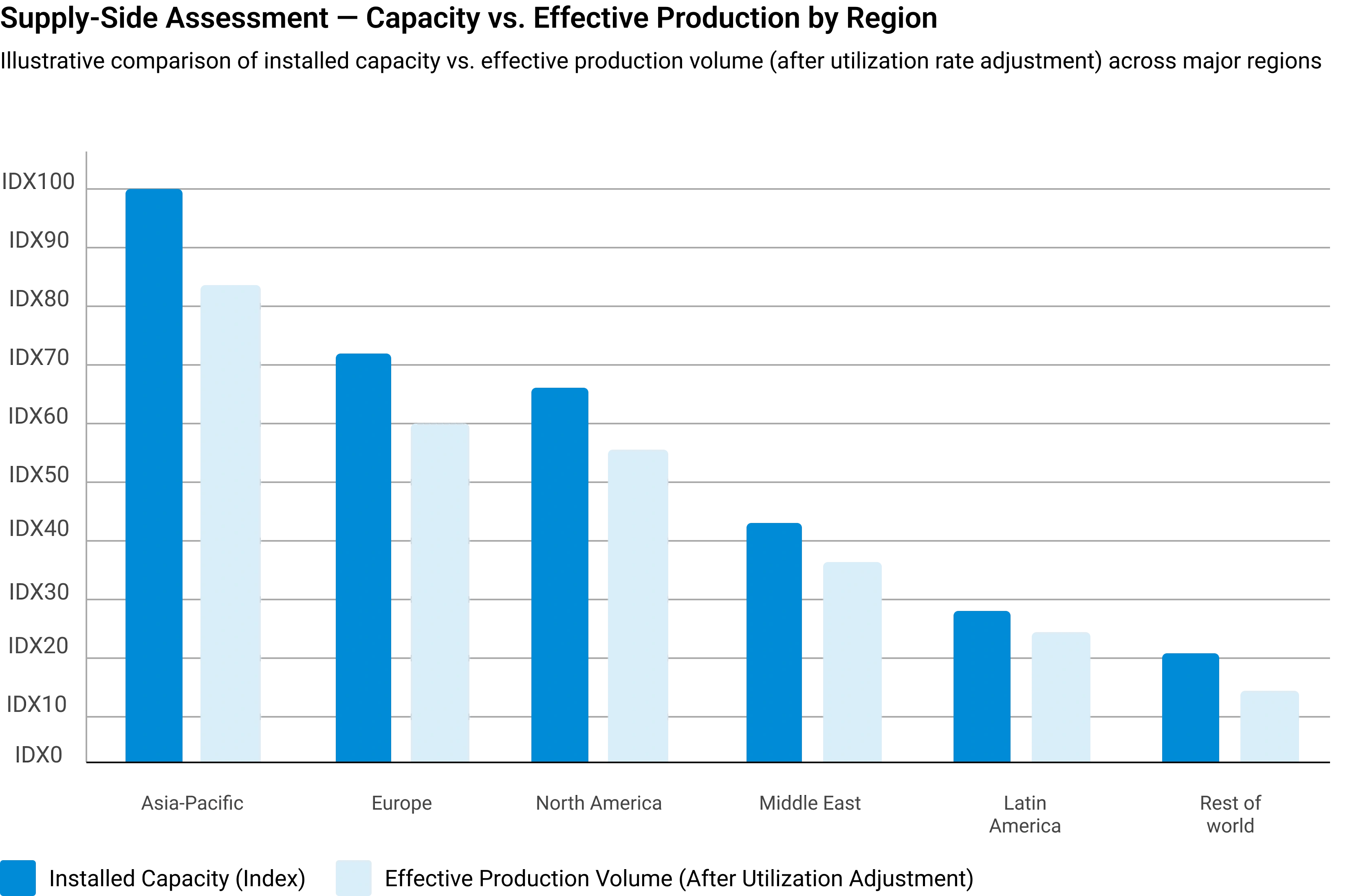
Installed capacity is adjusted using utilization rates based on demand conditions, feedstock availability, plant operating rates, maintenance schedules, and regulatory restrictions.
Manufacturer Revenue Analysis
Product-specific revenues, segment-level performance, regional distribution, average selling prices, and margin trends are evaluated to establish market value estimates.
Supply-Side Assessment — Capacity vs. Effective Production by Region
Illustrative comparison of installed capacity vs. effective production volume (after utilization rate adjustment) across major regions
Phase 3 — Demand-Side Assessment: Quantifying Chemical Consumption
Demand-side analysis quantifies chemical consumption across industries, applications, and geographies — identifying where and how chemicals are consumed throughout the value chain with precision.
End-Use Industry Analysis
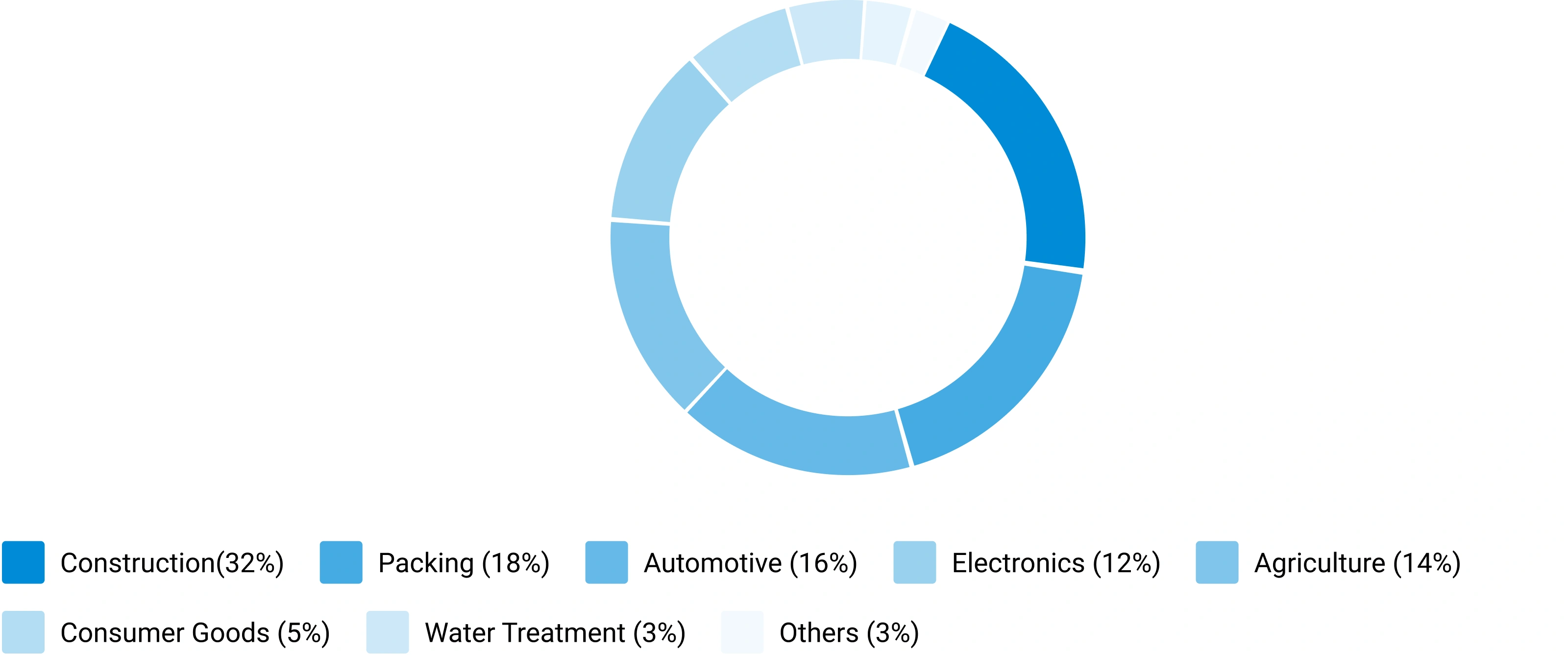
Chemical demand is evaluated across automotive, construction, packaging, electronics, agriculture, healthcare, consumer goods, industrial manufacturing, energy and utilities, and water treatment. Industry output, production trends, and consumption intensity are analyzed to determine demand patterns.
Consumption Modeling
Demand is estimated using measurable indicators: kilograms per vehicle, kilograms per square meter of construction, dosage per cubic meter of water treated, kilograms per hectare of agricultural land, and kilograms per ton of manufactured products. Consumption factors are validated through industry publications and primary interviews.
Application Analysis
The market is segmented by application area to understand product performance requirements, formulation trends, technology adoption, customer preferences, and regulatory requirements improving demand accuracy and segmentation granularity.
Demand-Side Assessment — End-Use Industry Demand Distribution
Illustrative distribution of chemical & materials demand across key end-use industries
Phase 4 - Trade Flow Analysis: Balancing Regional Supply and Demand
Trade flow analysis reconciles regional supply and demand estimates through import and export data, identifying net supply positions, regional dependencies, and market imbalances. It serves as an independent validation layer that tests the consistency of supply-side and demand-side estimates.
Import Analysis
Import data is evaluated to determine volumes, source countries, product dependency, regional supply gaps, and pricing trends — identifying markets that rely heavily on external supply and where domestic production is insufficient to meet demand.
Export Analysis
Export assessments reveal production surplus, export competitiveness, regional manufacturing strength, and global market participation. Export patterns also help validate domestic production estimates and identify net exporting regions.
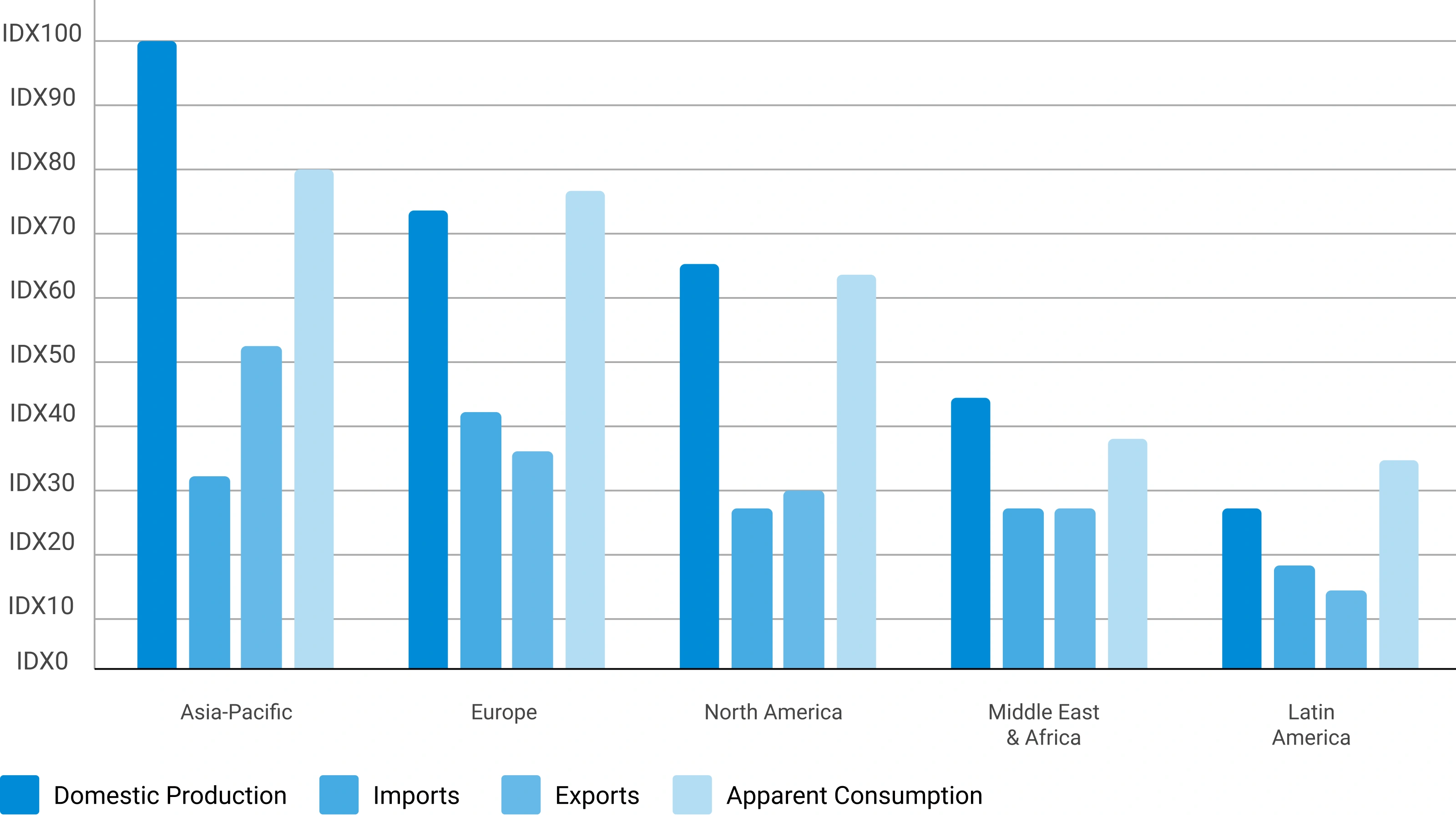
Apparent Consumption Model
Regional consumption is assessed using the standard apparent consumption formula:
Results identify net importing regions, net exporting regions, regional deficits, and surpluses — serving as an independent validation of supply and demand estimates.
Trade Flow Analysis — Net Supply Position by Region
Illustrative apparent consumption vs. domestic production across major regions — positive gap indicates net import dependency
Phase 5 — Primary Research: The Critical Validation Layer
Primary research tests and refines findings from secondary research through direct engagement with industry participants across the supply chain, demand side, and expert community. It captures intelligence that no database or published report can provide — the real-world experience of manufacturers, buyers, and specialists operating in the market.

Supply-Side Interviews
Conversations with chemical manufacturers, raw material suppliers, contract manufacturers, technology providers, and plant operators cover production trends, capacity utilization, pricing developments, technology shifts, and competitive dynamics.

Demand-Side Interviews
Engagement with OEMs, industrial consumers, procurement managers, distributors, formulators, and end-use manufacturers focuses on consumption trends, purchasing behavior, product substitution, demand outlook, and emerging applications.

Industry Expert Consultations
Additional interviews with industry consultants, independent experts, regulatory specialists, technical professionals, and research institutions provide deeper market context and validate key analytical assumptions.
Focus Areas of Primary Research:
Market Size & Forecast Validation
Revenue estimates, volume consumption, growth rates, forecast assumptions, regional demand.Supply Chain & Value Chain Assessment
Raw material sourcing, supply chain challenges, distribution networks, procurement practices.Production & Capacity Analysis
Manufacturing capacity, utilization rates, expansion projects, plant investments.Pricing & Cost Structure Analysis
Product pricing trends, feedstock costs, energy costs, margin pressures, pricing outlook.Competitive Landscape Assessment
Volume and value estimates confirmed to be fully consistent with one another before publicationInterview Volume by Market Scope
| Study Scope | Number of Interviews |
|---|---|
| Niche Market | 20 – 30 |
| Mid-Sized Market | 30 – 50 |
| Global Market | 50 – 80 |
| Highly Fragmented Market | 80 – 120 |
Interview Details:
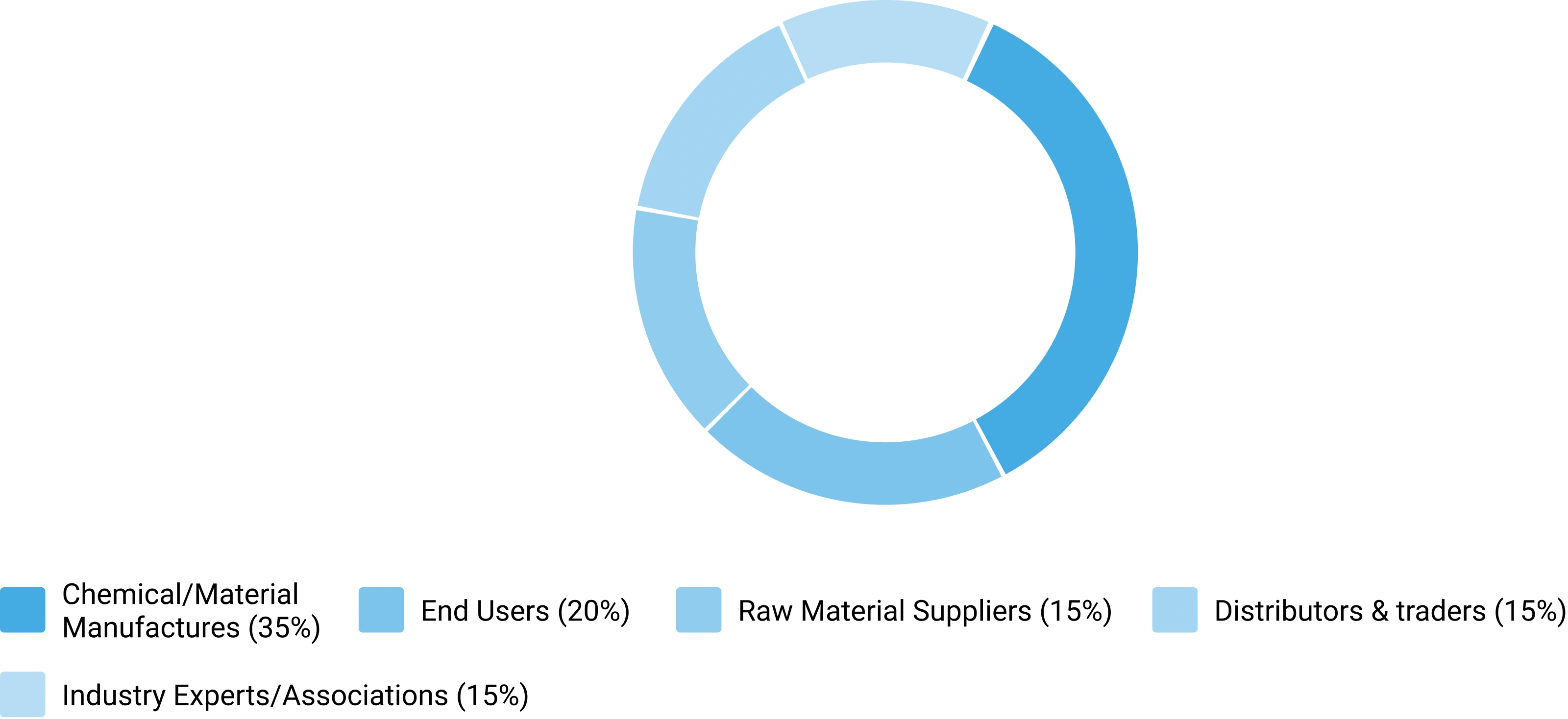
Category : Manufacturers, Suppliers, Distributors, End Users, Experts/Associations
Average Duration : 30–60 Minutes
Interview Mode : Video calls, telephonic interviews, expert consultations
Interview Format : Structured / Semi-Structured questionnaire
Focus Areas of Primary Research:
Market Size & Forecast Validation :
Revenue estimates, volume consumption, growth rates, forecast assumptions, regional demand.
Supply Chain & Value Chain Assessment :
Raw material sourcing, supply chain challenges, distribution networks, procurement practices.
Production & Capacity Analysis :
Manufacturing capacity, utilization rates, expansion projects, plant investments.
Pricing & Cost Structure Analysis :
Product pricing trends, feedstock costs, energy costs, margin pressures, pricing outlook.
Competitive Landscape Assessment :
Market share, competitor positioning, strategic initiatives, partnerships, acquisitions.
Primary Research — Stakeholder Coverage by Category
Distribution of interview respondents across stakeholder categories (% share from PPT data)
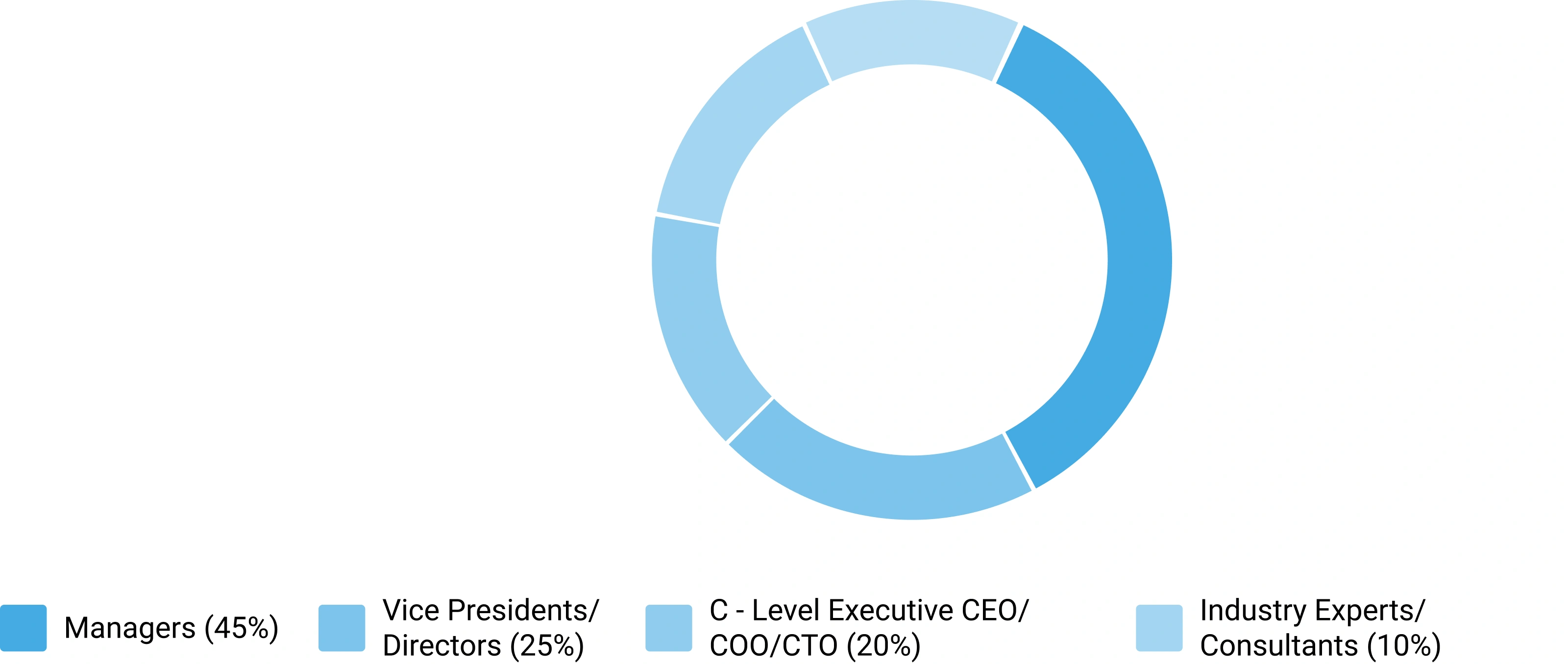
Primary Research — Respondent Designation Profile
Seniority breakdown of interview respondents (% share from PPT data)
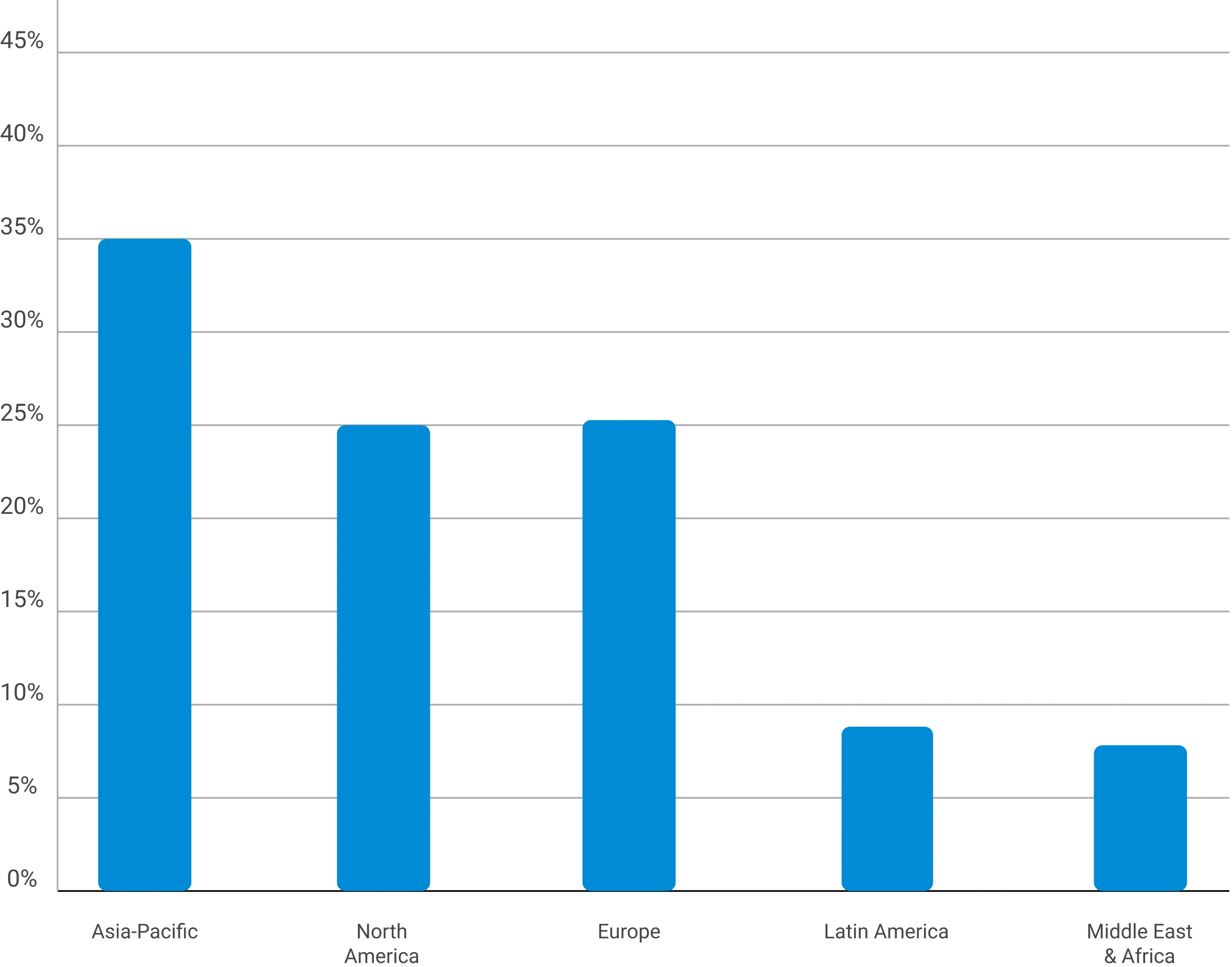
Primary Research — Geographic Coverage of Interviews
Regional distribution of primary research engagement (% share from PPT data)
Phase 6 — Data Triangulation and Market Validation
No single methodology is relied upon in isolation. Multiple independent estimation approaches are combined and reconciled to ensure consistency, accuracy, and analytical defensibility. Any material deviations between approaches are investigated and adjusted through additional validation cycles.
The final market size is derived through weighted triangulation of all validated methodologies. Any material deviations between approaches are investigated and adjusted through additional validation cycles. The outcome represents the most realistic assessment of the market based on available evidence and expert confirmation ensuring that volume and value estimates are fully consistent with one another.
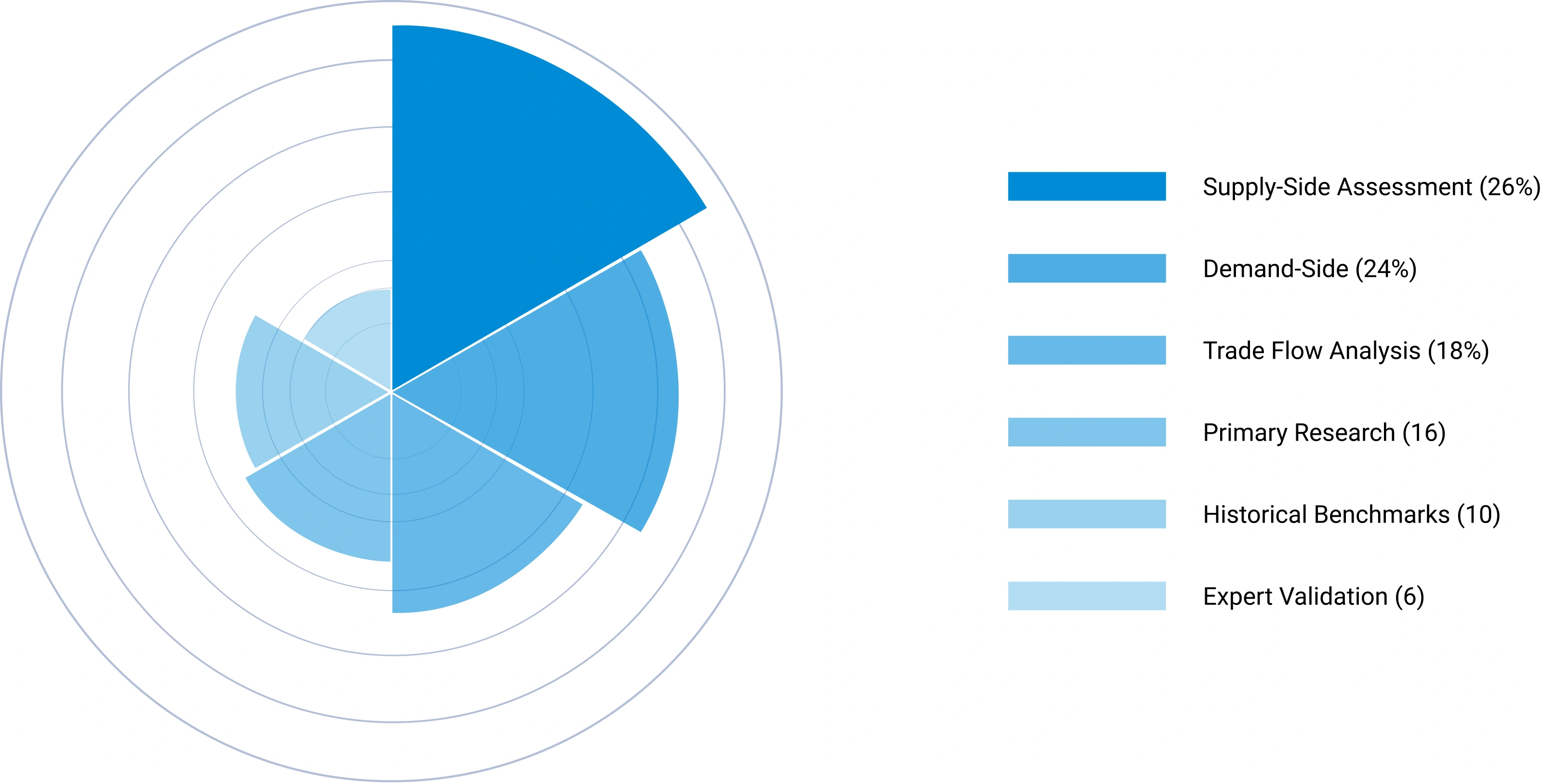
Triangulation Framework — Input Contribution Weight
Relative weight each sizing input contributes to the final reconciled market estimate
Phase 7 — Forecast Modeling: Projecting Future Market Evolution
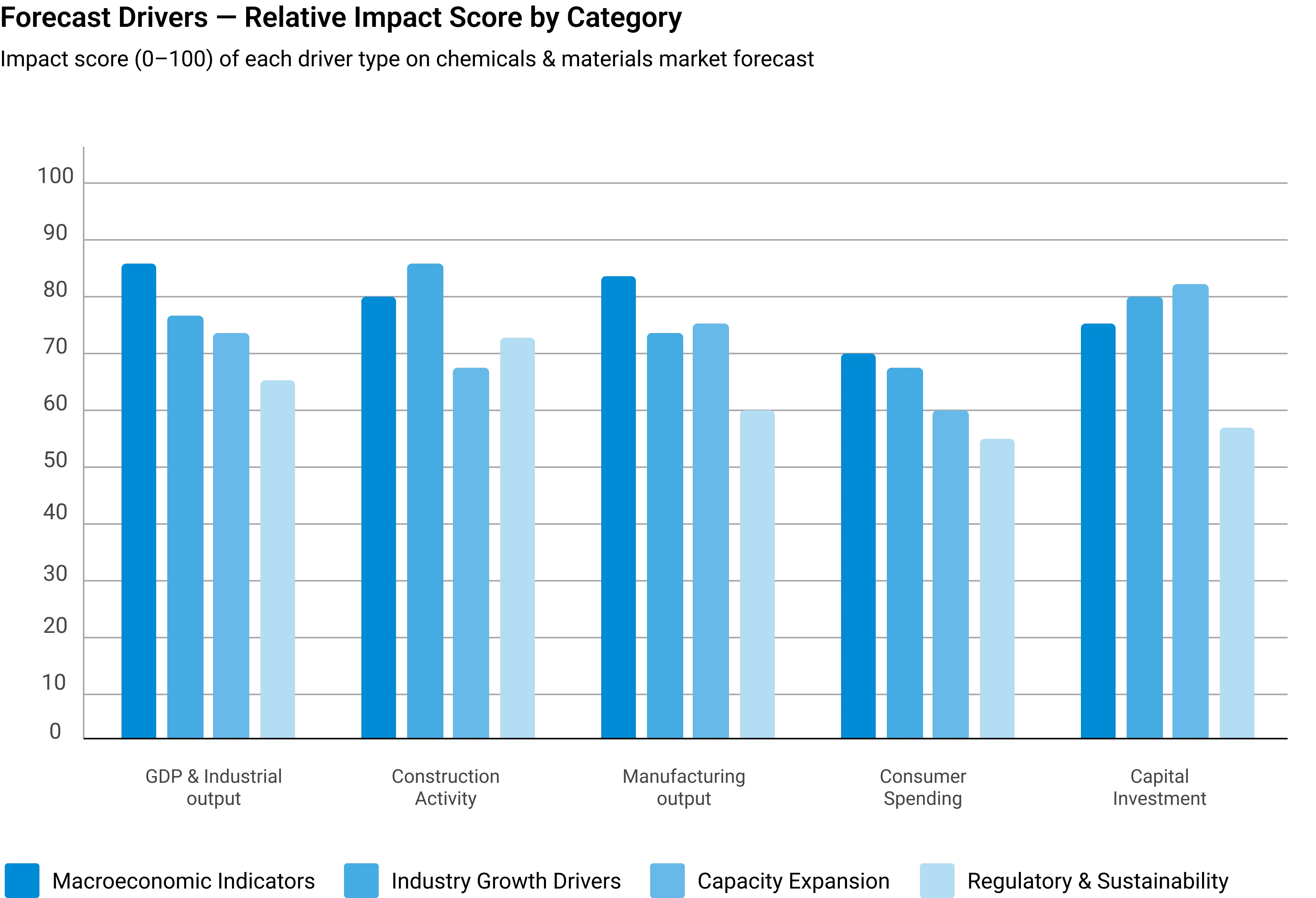
Forecasting evaluates the future trajectory of the market using a combination of quantitative indicators and qualitative assessments across economic, industry, and regulatory dimensions. Rather than simple extrapolation, each driver is independently modeled and integrated into a composite forecast.
Macroeconomic Indicators
GDP growth, industrial production, manufacturing output, construction activity, consumer spending, and capital investment form the quantitative foundation of long-term demand projections. These are applied at country, regional, and global levels.
Industry Growth Drivers
Urbanization, infrastructure development, industrialization, technological innovation, sustainability initiatives, and evolving product performance requirements are assessed at regional and industry levels — capturing both structural and cyclical demand drivers.
Capacity Expansion Analysis
Announced plant expansions, new manufacturing facilities, technology upgrades, and strategic investments are evaluated to determine future supply-demand dynamics and potential market tightness or oversupply situations.
Regulatory & Sustainability
Environmental regulations, chemical safety standards, emission reduction targets, circular economy initiatives, and sustainability requirements are incorporated as they often influence product adoption rates and market growth trajectories.
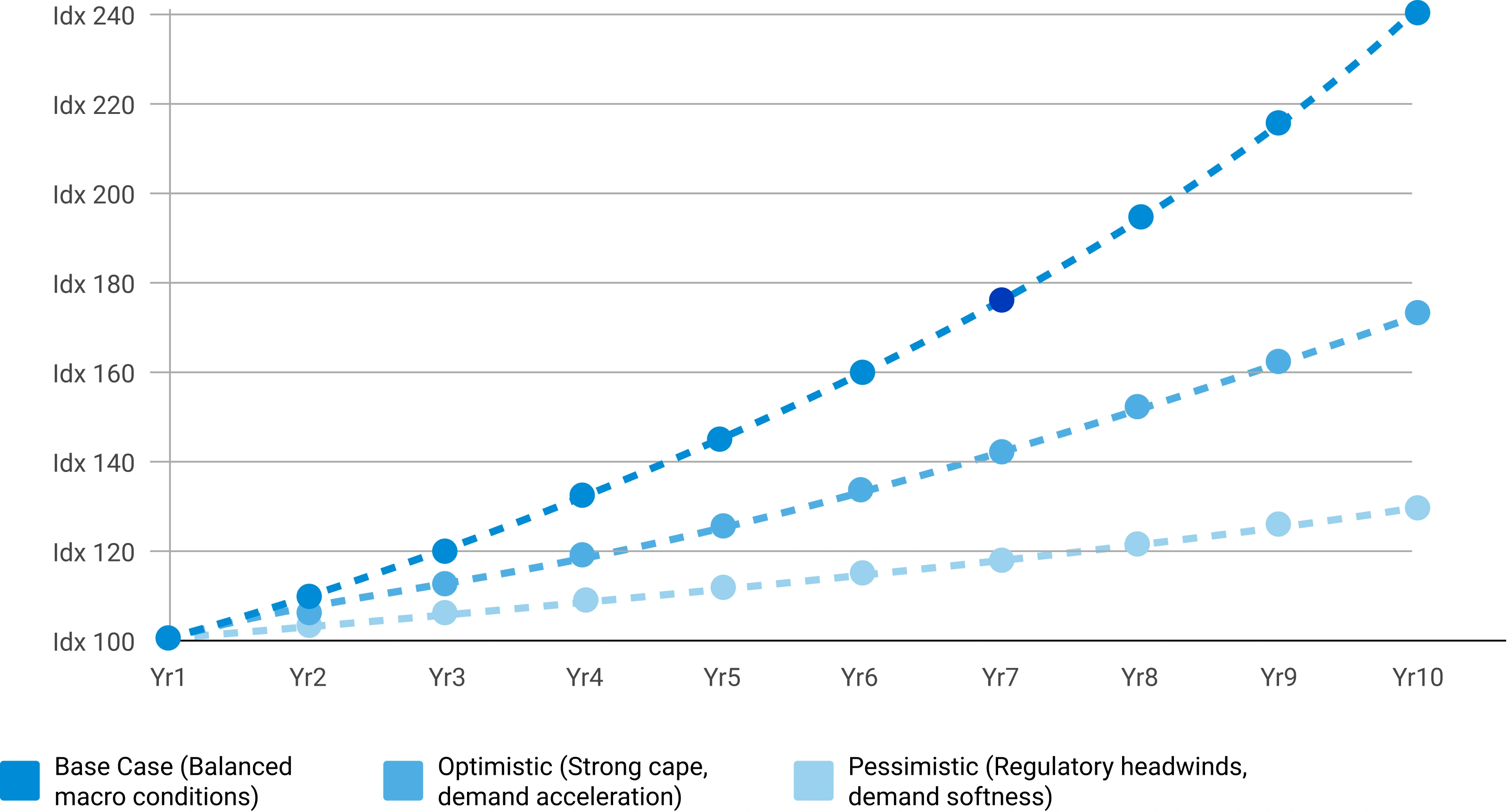
Scenario Forecast Range — Indexed Market Growth (Year 1–10)
Illustrative indexed growth trajectories across Base, Optimistic, and Pessimistic scenarios over a 10-year forecast horizon
Forecast Drivers — Relative Impact Score by Category
Impact score (0–100) of each driver type on chemicals & materials market forecast



Comments
Share your thoughts, ask a question, or provide feedback about this report.